
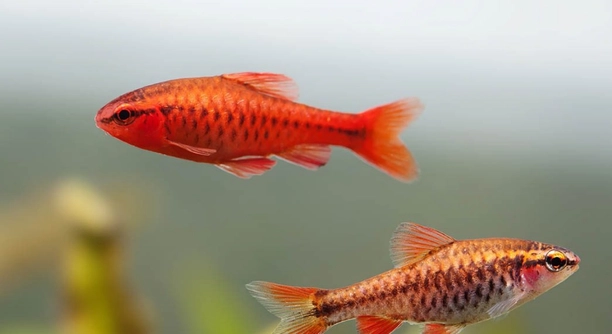
Have you ever noticed your cherry barbs acting differently and wondered what might be causing the change in their behavior? Changes in swimming patterns or hiding more often could be subtle signs something is wrong.
When cherry barbs are stressed, they often display behavioral changes such as hiding, reduced activity, and loss of appetite. Stress can be triggered by poor water conditions, lack of hiding spots, or incompatible tank mates.
Learning about these behaviors can help you create a better environment and support their well-being through simple, informed adjustments.
Signs That Show Your Cherry Barbs Are Stressed
Cherry barbs tend to act differently when they’re under stress. You might see them swimming erratically, hiding more than usual, or even changing color slightly. They may lose interest in food, and their movements can become slower or more panicked. These signs can be easy to miss at first, especially if you’re used to their normal routines. But even small changes in how they behave can mean they’re not feeling comfortable in their tank. It’s important to observe their habits regularly so you can spot these shifts early. Stressed cherry barbs may also become more aggressive or isolate themselves from other fish. Knowing these signs makes it easier to respond quickly and adjust their environment when needed. Their health and behavior are closely tied to their surroundings, so keeping an eye on these small signals is key to making sure they feel safe and settled.
Sometimes they might even stop swimming altogether and stay near the bottom of the tank.
If your cherry barbs begin acting out of character, try to note what’s changed around them. Things like new tank mates, water changes, or sudden lighting shifts can throw them off. Keeping things calm and steady helps reduce their stress.
Common Causes of Stress in Cherry Barbs
Loud sounds near the tank or constant movement around it can make cherry barbs uneasy.
Cherry barbs are naturally peaceful fish, but they are sensitive to their surroundings. Poor water quality is a leading cause of stress. Ammonia and nitrite levels that are too high can impact their health very quickly. Regular water testing and cleaning help prevent this. Sudden changes in water temperature or pH can also create an unstable environment. They do best when things stay consistent. Overcrowding is another issue. Too many fish in one tank can lead to tension and limited space for swimming. Cherry barbs prefer having room to explore and places to hide. A lack of plants or decorations can leave them feeling exposed and anxious. Also, aggressive tank mates can leave them stressed and withdrawn. Even small shifts, like switching their food or tank lighting, can throw them off balance. Being aware of these factors helps you avoid unnecessary stress and keep their tank peaceful.
How to Help Cherry Barbs Feel Safe
A quiet tank location helps reduce sudden stress. Avoid placing their tank near TVs, loud speakers, or high-traffic areas. Soft lighting and a regular day-night cycle also help them feel more secure and settled.
Adding live plants and decorations gives cherry barbs places to hide when they feel nervous. These hiding spots act like shelter, helping them calm down and feel more in control of their space. Plants like java fern or anubias are great choices because they are easy to maintain and provide good coverage. It’s also important to maintain stable water temperature and pH levels, as sudden shifts can lead to more stress. Keeping a calm and consistent routine around feeding and cleaning goes a long way. The more predictable their environment, the less likely they are to become overwhelmed or anxious in the tank.
Use gentle filtration to avoid strong currents, as these fish prefer calmer water. A strong filter may disturb them and make swimming uncomfortable. Feeding them high-quality food also supports their health and helps them cope with stress better. It’s helpful to keep tank mates peaceful and compatible. Avoid pairing them with aggressive or territorial fish. The goal is to create a balanced space where they can thrive without fear or pressure from others in the tank.
How Long Stress Lasts and What to Expect
Cherry barbs usually bounce back within a few days once their stress source is removed. However, if conditions remain unstable or poor, the stress can last much longer and lead to more serious health problems.
Long-term stress may weaken their immune systems, making them more likely to get sick. You might notice signs like fin rot or white spots on their bodies. If your cherry barb is still hiding or refusing food after several days of improvements, that’s a sign something may still be wrong. In this case, recheck your water quality, tank setup, and tank mates. Even small problems like poor water circulation or leftover food can cause ongoing stress. A healthy, peaceful tank encourages recovery, but patience is important too. These fish don’t always bounce back immediately. They need a calm environment and steady care to return to normal behavior. Observe closely and make changes gradually to support their recovery.
Foods That Help Cherry Barbs During Stress
Offering protein-rich foods like bloodworms or brine shrimp can help support their strength while they’re stressed. These foods are easier to eat and more appealing when their appetite is low, giving them a better chance to recover.
Feeding smaller portions more often can also help. This reduces waste and makes it easier for your cherry barbs to eat without competing for food.
How to Prevent Stress in the Future
Keep their tank clean with regular water changes and check levels weekly using a simple test kit. Stable conditions are key to preventing stress before it starts. Provide enough plants and hiding spots so they feel secure. Avoid overcrowding and make sure their tank mates are peaceful.
Final Tip to Keep in Mind
Watch your cherry barbs closely after changes in the tank. Their behavior will usually tell you if something isn’t right.
FAQ
How can I tell if my cherry barbs are stressed?
Cherry barbs show signs of stress in different ways. They may swim erratically, hide more often, or stop eating. Their color can fade, and they might become more aggressive or isolate themselves from other fish. If they’re behaving differently than usual, it’s important to monitor the water conditions and check for any changes in the tank.
What are the common causes of stress for cherry barbs?
Several factors can cause stress for cherry barbs. Poor water quality, sudden temperature changes, and fluctuating pH levels are among the most common. Overcrowding or adding aggressive tank mates can also lead to stress. Additionally, changes in the tank environment, like new decorations or different lighting, can cause anxiety.
Can cherry barbs live with other fish without getting stressed?
Yes, cherry barbs can live with peaceful tank mates, but they do best in a community tank with calm fish. Avoid placing them with overly aggressive species like cichlids or larger fish that might bully them. Smaller fish like tetras, rasboras, and other barbs usually get along well with cherry barbs.
How often should I change the water in my cherry barb tank?
Water changes should be done regularly, at least once a week. A 25-30% water change is ideal to maintain healthy water conditions. It’s essential to test the water regularly for ammonia, nitrites, and nitrates, ensuring they stay at safe levels. Regular water changes help reduce stress and maintain a stable environment.
How can I reduce the stress of my cherry barbs when introducing new tank mates?
Introducing new fish should be done slowly. Quarantine new fish for at least two weeks before adding them to the tank. When adding new fish, try to rearrange the tank layout to break up established territories. This minimizes aggression and helps the new fish and existing ones feel less stressed.
What are the best water conditions for cherry barbs?
Cherry barbs thrive in water with a temperature between 72-80°F (22-27°C) and a pH level of 6.0 to 7.5. It’s important to maintain stable water conditions, avoiding rapid changes in temperature or pH. Keep the water clean with regular filtration and periodic water changes to ensure the best environment for your fish.
How do I help my cherry barbs feel safe in their tank?
To help cherry barbs feel safe, provide plenty of plants, rocks, and hiding spots. These give them places to retreat when they’re feeling stressed or threatened. Avoid bright, harsh lighting, and keep their tank in a quiet, low-traffic area. Consistent feeding times and a regular routine also help them feel secure.
Why is my cherry barb hiding so much?
Excessive hiding could be a sign that your cherry barb is stressed or unwell. It may be due to water quality issues, an aggressive tank mate, or an environment that feels unsafe. Check the water parameters, ensure there are enough hiding spots, and observe any changes in the tank that could be causing anxiety.
Can cherry barbs live in a tank with high water flow?
Cherry barbs prefer calm water, so a strong water flow might stress them. They don’t do well in tanks with powerful filters or strong currents. It’s best to use a gentle filter or reduce the flow to create a more comfortable environment for them.
How do I know if my cherry barbs are getting enough food?
Cherry barbs are not usually picky eaters, but they can become stressed if food is scarce. If they’re constantly hungry or fighting with tank mates for food, you may need to feed them more often or adjust the portions. Watch for any signs of underfeeding, like weight loss or lethargy.
Are cherry barbs hardy fish?
Cherry barbs are considered relatively hardy fish, but they are sensitive to sudden changes in their environment. With the right care, they can live a long and healthy life. It’s essential to provide consistent water conditions and avoid rapid changes in temperature, pH, or tank mates to keep them stress-free.
Can cherry barbs breed in a community tank?
Yes, cherry barbs can breed in a community tank, but it’s more likely to happen in a tank with only cherry barbs and a few peaceful fish. Provide plenty of plants for the eggs to be hidden in. If you want to raise the fry, consider setting up a separate breeding tank to protect the delicate eggs from being eaten.
Do cherry barbs need a heater in their tank?
A heater is generally recommended to maintain a consistent temperature. Cherry barbs do best in tropical temperatures, and fluctuations can cause stress. A good heater ensures the water remains within the ideal range (72-80°F), preventing rapid temperature changes that could be harmful to the fish.
How can I tell if my cherry barb is sick?
Signs of illness in cherry barbs include faded or dull coloration, clamped fins, swelling, or unusual swimming patterns. They may also stop eating or begin rubbing against objects in the tank. If you notice these symptoms, check the water quality and consider isolating the sick fish to prevent the spread of disease.
Can cherry barbs survive in a tank without a filter?
It’s not recommended to keep cherry barbs in a tank without a filter. Filters help maintain water quality by removing waste, excess food, and toxins. Without a filter, water conditions can deteriorate quickly, leading to stress and health problems for your cherry barbs. Regular water changes can help, but a filter is essential for long-term success.
What is the lifespan of a cherry barb?
Cherry barbs typically live for 3-5 years with proper care. Their lifespan can be affected by water conditions, tank mates, and diet. Keeping their environment stable and maintaining good water quality will help them live a longer, healthier life. Regular observation will also ensure they remain healthy over the years.
Final Thoughts
Cherry barbs are relatively easy to care for, but they are sensitive to their environment. Keeping their tank clean and maintaining stable water conditions are the key factors in reducing stress and promoting their well-being. Simple things, like a consistent feeding schedule, proper water temperature, and regular water changes, can go a long way in making sure your cherry barbs feel comfortable and safe. They may be small and peaceful, but they still need attention to thrive. If they are stressed, they won’t behave like they normally do, and that’s a sign something is wrong.
If you notice that your cherry barbs are hiding more often, swimming in odd patterns, or not eating, it’s important to act quickly. Stress can lead to bigger health issues if not addressed, and it’s easier to fix problems early on than to deal with long-term damage. Check their tank’s water quality and ensure they have enough hiding spots. Overcrowding or introducing aggressive fish can lead to stress, so make sure your tank mates are compatible. Cherry barbs are best kept in calm, peaceful environments where they feel secure. The more stable and predictable their surroundings, the less likely they are to feel anxious or overwhelmed.
Finally, remember that cherry barbs are not a high-maintenance fish, but they do require care and attention. The more you observe their behavior and monitor their tank conditions, the better you’ll be at spotting any issues before they become serious. Keeping their environment consistent, providing plenty of hiding places, and feeding them quality food will help them stay healthy and stress-free. If you ever notice changes in their behavior, don’t ignore it—pay attention to what they’re telling you. Taking small steps to keep them happy will ensure that your cherry barbs live long and healthy lives.

Hello,
If you enjoy the content that we create, please consider saying a "Thank You!" by leaving a tip.
Every little bit helps us continue crafting quality advice that supports the health, happiness, and well-being of pets around the world, for pets of all shapes, sizes, and species.
We really appreciate the kindness and support that you show us!