
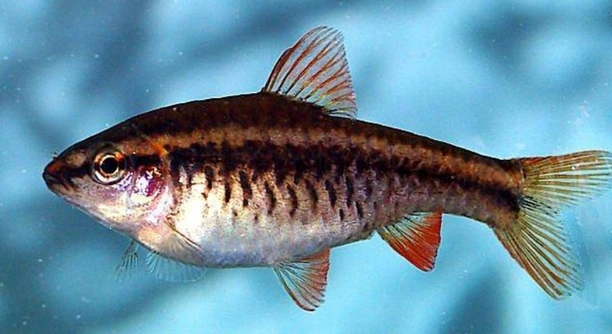
Are your cherry barbs not breeding as often as you expected, leaving you wondering what could be affecting their fertility?
The fertility of cherry barbs is influenced by several key factors, including water quality, temperature, diet, tank environment, stress levels, age, and compatibility with mates. Each of these elements plays a role in successful breeding.
Understanding these aspects can help you create a more suitable habitat for your fish and improve their chances of reproducing in a healthy, balanced environment.
Water Quality and Tank Conditions
Cherry barbs rely heavily on clean, stable water to stay healthy and reproduce. Poor water quality can stress them out and reduce their chances of breeding. It’s important to test the water regularly for ammonia, nitrites, nitrates, and pH. Keep the ammonia and nitrites at zero, and maintain a pH between 6.5 and 7.5. Use a good-quality filter and perform partial water changes every week to keep things balanced. Dirty tanks not only affect breeding but can lead to illness or even early death. A stable, quiet tank also encourages natural behavior and reduces stress-related issues in cherry barbs.
Proper tank conditions include a moderate current, soft lighting, and hiding places.
A healthy environment helps the fish feel secure and promotes natural instincts like courtship. Use live plants and smooth gravel to mimic their natural habitat. Clean tanks support not just breeding, but overall health and behavior.
Diet and Nutrition
Cherry barbs need more than just flakes to stay healthy and fertile.
A balanced diet has a big impact on fertility. Feed your cherry barbs a variety of foods, including high-protein options like brine shrimp, daphnia, and bloodworms. These can be frozen or live. Supplement with high-quality flakes or pellets to cover basic nutrients. Avoid overfeeding to keep water clean. Feeding smaller amounts two to three times a day works best. Make sure the food is eaten within two minutes to avoid waste. Over time, you’ll notice brighter colors and more activity. Healthy fish are more likely to breed, especially when they feel well-fed and energized. A good diet supports their immune system and gives them the energy to produce and fertilize eggs. Rotate food types to keep them interested and cover all nutritional bases.
Temperature and Lighting
Maintaining a stable temperature between 74°F and 80°F supports healthy metabolism and reproductive behavior. Sudden drops or spikes can interrupt breeding cycles. Light should follow a regular day-night pattern, mimicking natural conditions to keep stress levels low.
Cherry barbs respond well to slight seasonal changes in temperature and light when encouraging spawning. You can increase the water temperature gradually by a few degrees to signal the start of a breeding period. Use an aquarium heater with a thermostat for stability. Avoid placing the tank near windows or vents where temperatures might fluctuate. Provide 10 to 12 hours of light daily using a timer to mimic their natural rhythm. Consistent lighting helps regulate hormone levels, which are key for triggering mating behavior. Keep lights soft, as overly bright environments may stress the fish and discourage reproduction.
Both temperature and lighting should be controlled carefully for breeding success. Overexposure to light or inconsistent heat will create stress. If cherry barbs appear sluggish or disinterested in mating, double-check both factors. Keeping lighting and temperature steady reduces environmental stress and encourages them to pair off and spawn. These small adjustments go a long way toward creating a more suitable space for healthy reproduction.
Stress and Tank Mates
Cherry barbs do not breed well in stressful environments, especially when housed with aggressive or overly active fish. Tank mates should be peaceful and similar in size to avoid intimidation or injury during courtship.
Stress causes cherry barbs to become inactive or hide frequently, which reduces mating behavior. Avoid overcrowding, and keep tank noise and movement to a minimum. Fish should have space to swim freely without constant interruption from tank mates. Choose companions like rasboras, small tetras, or corydoras. These fish tend to coexist calmly and allow cherry barbs to focus on mating. Avoid fin-nippers or larger species that dominate the tank. Even small disruptions can delay breeding. A quiet, balanced social environment is just as important as clean water or good food. If possible, use a separate breeding tank to give pairs more privacy. This increases their chances of successful egg-laying and reduces the risk of eggs being eaten by other fish.
Age and Maturity
Cherry barbs reach sexual maturity around 6 months of age. Breeding is most successful between 6 months and 2 years, when they are most active and fertile. Older fish may not spawn as often or produce healthy offspring.
Younger fish that are not fully mature may show interest in mating but usually don’t produce viable eggs or sperm. It’s best to wait until they’re fully grown before encouraging breeding.
Male-to-Female Ratio
A good male-to-female ratio helps prevent aggression and stress. The ideal setup is one male for every two females. This setup allows females to rest and reduces pressure from males trying to mate constantly.
Spawning Behavior
Cherry barbs often scatter eggs among plants early in the day. If conditions are right, you may notice chasing and quick movements from the males. Remove adults after spawning to protect the eggs from being eaten.
FAQ
How often do cherry barbs breed?
Cherry barbs can breed every few weeks if conditions are right. In a stable tank with good water quality, proper lighting, and enough food, they may spawn regularly. However, they need rest between breeding cycles. Overbreeding can stress them out or shorten their lifespan. Giving them breaks helps maintain health and fertility. If you notice frequent chasing and egg-laying behavior, consider rotating males or separating breeding pairs to allow recovery time.
What do cherry barb eggs look like?
The eggs are tiny, round, and clear or slightly yellowish. They are often laid among fine-leaved plants or dropped onto the substrate. Cherry barbs scatter eggs rather than guard them, so eggs may be hard to spot unless you’re looking closely. You can shine a small light into the tank to help locate them. After spawning, it’s a good idea to remove the adults so the eggs have a chance to hatch undisturbed.
How can I tell if a female cherry barb is ready to breed?
A female that is ready to breed will have a fuller, rounder belly due to egg development. Her coloring may also brighten slightly, especially if she feels comfortable in the tank. You’ll often notice males becoming more active around her, displaying chasing or circling behavior. These are good signs that the fish are preparing to spawn. Make sure the tank conditions are steady and peaceful to encourage this behavior.
Do cherry barbs need a separate breeding tank?
A separate breeding tank isn’t required, but it can improve success. It allows you to control the environment more precisely and prevents other fish from eating the eggs. In a breeding tank, you can add plants or a spawning mop for the eggs to stick to, and easily remove adults once they’ve finished spawning. This setup gives the fry a better chance to grow without disturbance or competition for food.
What should I feed baby cherry barbs?
Newly hatched fry are very small and need microscopic food. Infusoria is ideal for the first few days, followed by baby brine shrimp or powdered fry food. Feed them small amounts several times a day. As they grow, you can introduce finely crushed flakes. Clean water is just as important as food, so do small water changes often to keep the environment safe for their development.
Can cherry barbs breed in a community tank?
They can, but the success rate is much lower. Eggs and fry are likely to be eaten by other fish. If you want to try breeding them in a community tank, provide dense plants or a spawning box to protect the eggs. Even then, survival rates may be low. For better results, move the pair to a separate tank just for breeding and fry care.
Why aren’t my cherry barbs breeding?
There could be several reasons: they may be too young or too old, the water quality might be poor, or the temperature could be off. Stress from tank mates or loud environments can also affect breeding. Check the male-to-female ratio, and make sure their diet is rich in protein. Sometimes, it just takes a bit of time for the fish to feel comfortable enough to start breeding. Keep observing and adjust one factor at a time.
How long does it take for cherry barb eggs to hatch?
Cherry barb eggs usually hatch in about 24 to 48 hours, depending on the temperature. Warmer water speeds things up a bit. Once the fry hatch, they’ll stay near the bottom of the tank or cling to surfaces for a couple of days before swimming freely. It’s best to keep the tank dim during this time to reduce stress. Feed them tiny food and keep the tank very clean.
Final Thoughts
Raising cherry barbs and encouraging them to breed can be a calm and rewarding experience if their needs are met. These fish are not very demanding, but they do require a clean and stable environment to stay healthy and fertile. Each factor covered—from water quality and temperature to diet and tank mates—plays a direct role in how successful their breeding process can be. When one thing is off, like water being too dirty or the temperature changing too much, it can slow down or stop the fish from breeding altogether. That’s why it’s important to watch for small changes and make adjustments slowly.
Breeding cherry barbs doesn’t have to be complicated. With the right setup, many hobbyists find that these fish will breed on their own. It often starts with the fish feeling comfortable, showing brighter colors, and becoming more active. Using live plants, keeping the water clean, and feeding a variety of high-protein foods help create the right conditions. Separating males and females for a few days and then reintroducing them can also help trigger spawning. If you’re patient and pay attention to their behavior, it becomes easier to spot when they are ready to lay eggs. This makes it possible to step in at the right time and remove adults so the eggs can hatch safely.
There’s no single method that works for every tank or group of cherry barbs, and sometimes you’ll need to try different setups before finding what works best. It’s okay if things don’t go perfectly at first. What matters most is keeping the fish healthy and stress-free. Whether you’re just curious or planning to raise a few generations, the key is consistency. Give your cherry barbs clean water, a balanced diet, and a peaceful environment. The rest often falls into place naturally over time. Watching new life grow in your tank can be a simple but enjoyable part of fishkeeping, especially when you know your efforts helped make it happen.

Hello,
If you enjoy the content that we create, please consider saying a "Thank You!" by leaving a tip.
Every little bit helps us continue crafting quality advice that supports the health, happiness, and well-being of pets around the world, for pets of all shapes, sizes, and species.
We really appreciate the kindness and support that you show us!