
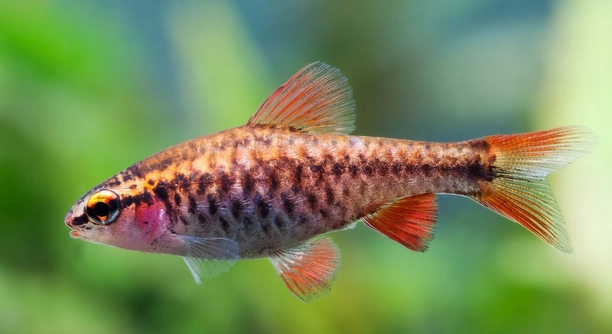
Cherry Barbs are popular freshwater fish known for their vibrant colors and peaceful nature. Many hobbyists love to keep them, but questions often arise about their care, specifically regarding water conditions. This article addresses one such concern.
Cherry Barbs can generally handle tap water, but their tolerance depends on water quality. Tap water often contains chemicals like chlorine or chloramine, which can be harmful. Proper treatment is necessary for their health and survival.
Understanding how to treat tap water for your Cherry Barbs will ensure they thrive. There are simple steps you can follow to maintain their health and create a safe environment.
Why Tap Water Needs Treatment for Cherry Barbs
Tap water is usually treated with chlorine, chloramine, and other chemicals to keep it safe for human consumption. However, these substances can be toxic to fish, including Cherry Barbs. They can irritate their skin and gills or, over time, cause long-term health issues. When you add untreated tap water directly to your aquarium, you risk harming the fish. This is why it’s important to treat tap water before adding it to your tank.
The key to success is using water conditioners. These products are designed to neutralize chlorine and chloramine, making the water safe for your Cherry Barbs. Simply adding the right amount of conditioner to the water before you add it to the tank ensures the chemicals are neutralized.
By understanding the importance of treating your tap water, you can protect your fish. Make sure to check your tap water’s quality regularly, especially if you have an aquarium full of sensitive fish like Cherry Barbs. Regular treatment will help maintain a healthy environment.
Testing Tap Water for Harmful Chemicals
It’s easy to ignore the water quality in your tap water, but it’s important to test it regularly. Using a simple water testing kit, you can check for ammonia, nitrites, nitrates, and pH levels. Knowing these parameters helps you adjust the water to suit your Cherry Barbs’ needs.
In addition to using water conditioners, it’s a good idea to perform regular water changes. Cherry Barbs thrive in stable conditions, and regular changes prevent the buildup of harmful substances. A 25% water change every week can help maintain water quality.
Finally, always keep an eye on the tank’s water parameters, especially after introducing new water. Small changes in chemistry can stress your fish and lead to health problems. Keep your Cherry Barbs happy by managing the water conditions carefully.
How to Treat Tap Water for Cherry Barbs
To make tap water safe for your Cherry Barbs, you need a water conditioner. This product removes harmful chlorine and chloramine. You simply add the right amount to the water before filling your aquarium. It’s an easy process that helps protect your fish.
When using a water conditioner, follow the manufacturer’s instructions carefully. Overuse can be harmful, so make sure you measure the amount based on your tank size. Some conditioners also neutralize ammonia, which can build up in tap water. This is especially useful if your tap water has higher levels of ammonia.
It’s important to treat new water every time you change or top off the tank. Even small amounts of chlorine or chloramine can cause damage. Treating water is a simple task that ensures a healthy and safe environment for your Cherry Barbs.
Water Temperature and Cherry Barbs
Cherry Barbs prefer water in the range of 72°F to 78°F. It’s important to match the temperature of new water to the existing water in your tank. This helps prevent stress, which can weaken your fish.
Rapid temperature changes can harm Cherry Barbs. They can become disoriented, and their immune system may weaken. To avoid this, let the treated water sit for a while in a container before adding it to the tank. You can also use a thermometer to make sure the temperature is the same as in the tank. If needed, you can adjust the temperature using a heater.
Keeping the water temperature stable ensures that your Cherry Barbs stay healthy. It’s a small but essential step to protect them from shock.
pH Levels and Cherry Barbs
Cherry Barbs do best in water with a pH between 6.5 and 7.5. It’s important to monitor the pH regularly since tap water can fluctuate. If the pH is outside the ideal range, consider adjusting it with products designed for aquarium use.
If your tap water’s pH doesn’t suit your Cherry Barbs, you can add buffers to raise or lower it. Products like pH adjusters or natural methods like peat moss can help balance the water. Be careful not to make changes too quickly, as sudden pH shifts can stress your fish.
Regularly testing the pH of both your tap water and aquarium water is the best way to ensure that the levels are optimal for your fish. This helps maintain a stable environment and avoids potential health issues for your Cherry Barbs.
Chlorine and Chloramine
Chlorine and chloramine are commonly found in tap water. Both can be harmful to Cherry Barbs. Chlorine evaporates over time, but chloramine does not. You’ll need a water conditioner to remove chloramine effectively.
Without proper treatment, chloramine in tap water will harm your fish. It doesn’t break down like chlorine, which makes it more dangerous. Make sure to choose a water conditioner that neutralizes chloramine to keep your fish safe.
Using a Water Filter
A reliable water filter can help remove impurities from your tap water. It can also reduce chemicals, like chlorine, and keep the water clean. It’s a good idea to invest in a good filter if you’re concerned about water quality.
While filters are great for maintaining water quality, they still don’t remove all harmful chemicals. For the best results, combine a filter with water conditioners. Regular filter maintenance is also key to keeping your aquarium water clean and safe for Cherry Barbs.
FAQ
Can Cherry Barbs live in untreated tap water?
Cherry Barbs should not be kept in untreated tap water. Tap water often contains chlorine, chloramine, and other chemicals that are harmful to fish. These substances can irritate their gills and skin or even lead to death. Always treat tap water with a conditioner before adding it to your aquarium. This will neutralize harmful chemicals and ensure the water is safe for your fish.
How often should I treat tap water for my Cherry Barbs?
You should treat tap water every time you add new water to your aquarium, whether it’s during water changes or top-offs. Each time you introduce fresh water, it’s important to use a water conditioner to remove chlorine and chloramine. Regular treatment helps maintain a healthy environment for your fish.
What type of water conditioner should I use for Cherry Barbs?
Use a water conditioner that specifically removes chlorine, chloramine, and ammonia. Many products are available at pet stores and online, but always read the label to ensure it’s suitable for freshwater fish. Some conditioners also detoxify heavy metals, which is an added benefit for water treatment.
Can Cherry Barbs survive in hard water?
Cherry Barbs can tolerate moderately hard water, but they prefer softer water. The ideal hardness for Cherry Barbs is between 5 and 12 dGH. If your tap water is very hard, you might want to adjust it with special water-softening products or use a reverse osmosis (RO) system for better control.
What temperature is best for Cherry Barbs in tap water?
Cherry Barbs thrive in water temperatures between 72°F and 78°F. Make sure the water you add matches the tank’s temperature to prevent stress. Rapid changes in temperature can weaken your fish’s immune system, making them more vulnerable to illness.
Do I need to test my tap water for chemicals?
Yes, it’s a good idea to test your tap water for ammonia, nitrites, nitrates, pH, and hardness. Testing helps you understand the water quality before treating it. A simple water testing kit from a pet store can give you the necessary information. This way, you can take the proper steps to adjust the water parameters before adding it to your tank.
How do I adjust the pH of my tap water for Cherry Barbs?
If your tap water’s pH is outside the ideal range of 6.5 to 7.5 for Cherry Barbs, you can use pH adjusters. These are available at pet stores and are designed to either raise or lower pH. You can also use natural methods, such as adding driftwood or peat moss, to lower the pH. Be cautious when adjusting pH, as sudden changes can stress your fish.
Is it okay to use tap water with a water filter for Cherry Barbs?
Using a water filter in addition to a water conditioner is a good idea. While filters can help remove some chemicals and particles, they don’t remove chlorine or chloramine, so you still need to use a water conditioner. A filter helps maintain water cleanliness, but it’s not a substitute for treating the water properly before adding it to the tank.
How do I remove ammonia from tap water for Cherry Barbs?
Ammonia can sometimes be present in tap water, especially if it’s treated with chloramine. To remove ammonia, look for water conditioners that specifically detoxify ammonia. These conditioners are safe for Cherry Barbs and will help keep the water in your tank free from harmful toxins.
What is the best way to dechlorinate tap water for Cherry Barbs?
The best way to dechlorinate tap water for Cherry Barbs is by using a dechlorinator or water conditioner. These products are designed to neutralize chlorine and chloramine. It’s important to follow the instructions on the product label to ensure the correct dosage for your aquarium size.
Can I use bottled water for my Cherry Barbs instead of tap water?
Bottled water can be used for your Cherry Barbs, but it’s essential to ensure it’s free of minerals, chlorine, or other chemicals. Many bottled waters are filtered and may lack essential minerals that your fish need. Always test the water to make sure it’s safe before adding it to your aquarium. Tap water treated with a conditioner is usually a more reliable option.
What’s the best way to adjust the hardness of my tap water for Cherry Barbs?
If your tap water is too hard, you can lower its hardness using products like water softeners. Alternatively, you can mix tap water with distilled or reverse osmosis water to reduce hardness. Keep in mind that Cherry Barbs prefer soft water, so maintaining a hardness of 5-12 dGH is ideal.
How do I know if my Cherry Barbs are stressed by water conditions?
If your Cherry Barbs are stressed, they may show signs like faded colors, unusual swimming behavior, or staying at the surface. They may also show signs of respiratory distress, such as rapid gill movement. Poor water quality can lead to stress, so check the water parameters regularly to ensure a healthy environment.
Can I use tap water for a tank with Cherry Barbs and other species?
Yes, you can use tap water for a community tank with Cherry Barbs and other species, as long as the water is treated properly. Keep in mind that some fish may require different water conditions, so make sure the water parameters suit all the species in your tank. Adjusting the water chemistry to fit everyone’s needs will help keep all the fish healthy.
How long should I wait before adding tap water to my tank?
After treating your tap water with a conditioner, wait for about 15 to 30 minutes before adding it to the tank. This allows the chemicals to be neutralized and ensures that the water is safe for your Cherry Barbs. Always check the temperature and pH of the water before adding it.
Final Thoughts
Taking care of your Cherry Barbs involves more than just feeding them. The water they live in plays a huge role in their health. Tap water can be perfectly fine, but it often contains chemicals that can harm your fish. Chlorine, chloramine, and even high ammonia levels are commonly found in tap water. These substances are necessary to keep our water safe for drinking, but they can be dangerous to fish. To keep your Cherry Barbs happy and healthy, it’s important to treat the water before adding it to their tank. Using a water conditioner designed to neutralize these chemicals is the easiest way to make sure the water is safe for your fish.
In addition to treating the water, it’s a good idea to test your tap water regularly for pH, hardness, and ammonia levels. Testing gives you a clear picture of what’s in the water and helps you adjust it if necessary. Cherry Barbs are fairly adaptable but do best when their water conditions are stable and within their preferred range. Keeping the pH between 6.5 and 7.5 and the water temperature between 72°F and 78°F will provide the most comfortable environment for them. Regular water changes, along with treating new water, will help maintain a clean and safe space for your fish.
Overall, taking a few simple steps to treat and monitor your tap water will ensure your Cherry Barbs stay healthy for years to come. Water quality plays a crucial part in their well-being. By paying attention to the water conditions and making adjustments when needed, you create a better environment for them to thrive in. It’s easy to overlook the importance of water, but with the right treatment and regular care, you can give your Cherry Barbs the best possible home.

Hello,
If you enjoy the content that we create, please consider saying a "Thank You!" by leaving a tip.
Every little bit helps us continue crafting quality advice that supports the health, happiness, and well-being of pets around the world, for pets of all shapes, sizes, and species.
We really appreciate the kindness and support that you show us!