
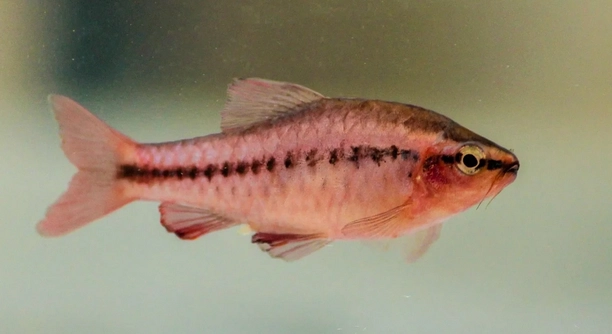
Cherry Barbs are popular aquarium fish, loved for their vibrant colors and active nature. However, when they begin breathing rapidly, it can be a cause for concern. Understanding the reasons behind this behavior is essential for their care.
Rapid breathing in Cherry Barbs is often linked to factors such as poor water quality, stress, low oxygen levels, or overcrowding. These conditions can cause the fish to breathe faster as they attempt to compensate for environmental issues.
By addressing these potential causes, you can help your Cherry Barbs feel comfortable and thrive in their environment.
Poor Water Quality
Poor water quality is one of the most common reasons for rapid breathing in Cherry Barbs. Fish rely on clean water to thrive, and when water quality deteriorates, their bodies are under stress. Accumulation of toxins like ammonia and nitrates, often from uneaten food or fish waste, can be harmful. High levels of these substances irritate the gills, leading to fast breathing as the fish attempt to get more oxygen.
Even small changes in water conditions can have an impact. Regular water changes and proper filtration help keep toxins at bay and ensure your fish are breathing easy.
To prevent poor water quality, it’s important to monitor tank parameters consistently. Test the water for ammonia, nitrites, and nitrates to ensure it is within safe levels. Keeping the tank clean and using an efficient filter can also significantly reduce stress on the fish.
Stress
Stress is another common cause of rapid breathing in Cherry Barbs. Stress can be caused by many factors, including sudden changes in the environment, loud noises, or aggressive tankmates. It leads to an increase in adrenaline, causing the fish to breathe faster.
When stress occurs frequently, it weakens the fish’s immune system, making them more susceptible to illness. To reduce stress, make sure the environment is calm and stable. Avoid sudden changes in lighting, temperature, and the introduction of new fish.
Low Oxygen Levels
Low oxygen levels in the aquarium can cause Cherry Barbs to breathe rapidly. When there is insufficient oxygen in the water, fish naturally increase their breathing rate to get more air. Factors like overcrowding, stagnant water, or a lack of surface agitation can reduce oxygen availability.
To improve oxygen levels, increase water movement by adding a stronger filter or air pump. Surface agitation helps oxygenate the water. Additionally, adding live plants can also aid in oxygen production. Be mindful of the number of fish in the tank to avoid overcrowding, as this can deplete oxygen levels faster.
Regular water changes also help keep oxygen levels stable by replenishing oxygen-rich water and removing waste products. If possible, consider increasing aeration during hot weather, as water temperature can affect oxygen solubility. Keeping the tank well-oxygenated ensures your Cherry Barbs will breathe easy and stay healthy.
Overcrowding
Overcrowding is another issue that can lead to rapid breathing in Cherry Barbs. When too many fish are placed in a tank, they compete for space, food, and oxygen. This can increase stress and decrease water quality, further aggravating the problem.
To avoid overcrowding, make sure you follow the recommended stocking guidelines for your tank size. A general rule is one inch of fish per gallon of water, but this can vary depending on the fish species. Cherry Barbs should have enough space to swim freely without feeling cramped.
When fish are cramped in a small space, they may exhibit signs of distress, including rapid breathing. Overcrowding also makes it harder to maintain water quality, as waste builds up more quickly. Therefore, giving your Cherry Barbs enough space to thrive can prevent many health issues, including rapid breathing.
Temperature Fluctuations
Temperature fluctuations in the tank can also lead to rapid breathing in Cherry Barbs. Fish are sensitive to changes in water temperature, and when it rises or falls too quickly, they struggle to adjust. This stress causes them to breathe more heavily.
To maintain a stable environment, keep the tank’s temperature consistent. A reliable aquarium heater and thermometer will help you control fluctuations. Avoid placing the tank in areas where temperatures vary significantly, like near windows or air conditioners.
Monitoring the water temperature regularly ensures your Cherry Barbs don’t experience thermal stress, which can affect their overall health.
Illnesses
Rapid breathing in Cherry Barbs can sometimes be a sign of an underlying illness. Bacterial, parasitic, or fungal infections can cause gill damage, leading to difficulty breathing. Other symptoms, such as faded colors or lethargy, may also appear.
If you notice your fish are breathing rapidly along with other signs of illness, it’s important to isolate the affected fish and treat them promptly. Quarantine tanks and proper medications can help prevent the spread of diseases. Maintaining good water quality and a stress-free environment is key to preventing infections in the first place.
Incompatible Tankmates
Having incompatible tankmates can cause stress, leading to rapid breathing in Cherry Barbs. Aggressive fish can harass the Cherry Barbs, causing them to breathe faster as a sign of distress. Ensure that all fish in the tank are compatible.
Before introducing new fish, research their temperaments and requirements to prevent conflicts. Even peaceful species can become stressed in cramped or territorial setups. Keeping an eye on their behavior and moving aggressive fish can help maintain a calm environment. This way, your Cherry Barbs can breathe comfortably and thrive.
FAQ
What should I do if my Cherry Barb is breathing rapidly?
If your Cherry Barb is breathing rapidly, the first step is to check the water quality. Test for ammonia, nitrites, and nitrates to ensure they are within safe levels. Make any necessary adjustments by performing water changes or improving filtration. Additionally, consider oxygen levels—add an air pump or increase water movement if needed. Also, check for signs of stress or illness, and adjust the tank environment accordingly to help reduce the fish’s distress.
How do I test water quality in my aquarium?
Testing water quality involves using an aquarium test kit to measure ammonia, nitrite, nitrate, pH, and hardness levels. These tests are available at most pet stores and can help determine whether the water is safe for your Cherry Barbs. Regular testing is important to prevent problems like rapid breathing caused by poor water quality. The ideal water conditions for Cherry Barbs are ammonia and nitrite levels at zero, nitrates under 20 ppm, and a pH between 6.5 and 7.5.
How can I improve oxygen levels in the tank?
To improve oxygen levels, consider adding a strong filter that agitates the water surface, which helps oxygenate it. Adding an air pump with air stones can also increase oxygen exchange. Live plants can help oxygenate the tank as well by releasing oxygen during photosynthesis. It’s also important to avoid overcrowding the tank, as too many fish can deplete oxygen levels quickly.
Can temperature affect Cherry Barbs’ breathing rate?
Yes, temperature can significantly affect Cherry Barbs’ breathing rate. If the water temperature is too high or too low, the fish may struggle to breathe properly. Cherry Barbs thrive in a stable temperature range of 72-80°F (22-27°C). If the temperature fluctuates too much, they may breathe rapidly as they try to compensate. Using a reliable aquarium heater and thermometer will help keep the water at a consistent, comfortable temperature for your fish.
How do I know if my Cherry Barb is stressed?
Stressed Cherry Barbs may exhibit several signs, including rapid breathing, hiding, faded color, and decreased appetite. They may also swim erratically or appear lethargic. Common causes of stress include sudden changes in the environment, incompatible tankmates, or poor water quality. If you notice these behaviors, it’s important to identify the cause and make necessary adjustments to their living conditions.
Is rapid breathing a sign of illness in Cherry Barbs?
Rapid breathing can sometimes indicate an illness, especially if it’s accompanied by other symptoms like lethargy, loss of color, or unusual swimming patterns. Respiratory infections, parasites, and gill damage can all cause rapid breathing. If you suspect your Cherry Barb is sick, it’s best to isolate it in a quarantine tank and treat it with appropriate medication. Monitoring the fish for other symptoms can help determine the specific illness.
What are some signs that my Cherry Barbs are not getting enough oxygen?
Signs that your Cherry Barbs may not be getting enough oxygen include rapid or labored breathing, frequent gasping at the water surface, and lethargy. You may also notice that the fish are spending more time near the filter outlet or surface. If you notice these behaviors, increasing water movement and adding an air pump can help provide more oxygen for your fish.
Can overcrowding lead to rapid breathing in Cherry Barbs?
Yes, overcrowding can lead to rapid breathing in Cherry Barbs. When there are too many fish in the tank, they compete for space and oxygen, leading to stress. This stress can cause them to breathe rapidly. To avoid overcrowding, ensure you are following the proper stocking guidelines for your tank size. A general rule of thumb is one inch of fish per gallon of water, but you may need to adjust this depending on the specific species and size of your fish.
How can I reduce stress in my Cherry Barbs?
To reduce stress, ensure that your Cherry Barbs have a stable environment. Avoid sudden changes in water temperature, lighting, or tank layout. Provide enough space for your fish to swim freely and keep them in a peaceful community with compatible tankmates. Regular maintenance, such as water changes and cleaning, can also help maintain a stress-free environment.
What is the ideal tank size for Cherry Barbs?
The ideal tank size for Cherry Barbs depends on how many fish you have, but a 20-gallon tank is a good starting point for a small group. As a general rule, allow one inch of fish per gallon of water. However, providing extra space ensures better water quality and reduces stress. A larger tank also allows for more plants and hiding spots, making the environment more comfortable for your Cherry Barbs.
Can Cherry Barbs live with other fish?
Cherry Barbs are peaceful fish and can generally live well with other non-aggressive species. They do well with small fish such as tetras, corydoras, and rasboras. However, avoid keeping them with overly aggressive species that might stress or harm them. Make sure the tank is large enough to accommodate all the fish and provide enough hiding places to reduce potential conflicts.
Final Thoughts
Understanding the causes of rapid breathing in Cherry Barbs is essential for maintaining their health and well-being. As sensitive creatures, they can be affected by a variety of factors such as poor water quality, temperature fluctuations, and the presence of illnesses. By monitoring the water quality regularly and ensuring a stable tank environment, you can prevent many of the issues that lead to rapid breathing. Proper filtration, routine water changes, and a consistent temperature range are key components to creating a healthy habitat for these fish.
In addition to water conditions, stress and overcrowding are also significant contributors to rapid breathing. Cherry Barbs are peaceful and prefer to live in calm environments with compatible tankmates. Overcrowding can lead to competition for space and oxygen, causing them to breathe more quickly. It’s important to ensure that the tank is appropriately stocked and that the fish have enough space to swim freely. Creating a stress-free environment with proper hiding places and avoiding aggressive tankmates will help keep your Cherry Barbs relaxed and healthy.
Finally, keeping a close eye on the behavior of your Cherry Barbs is crucial. If you notice any signs of illness or stress, act quickly to address the issue. Regular observations can help you spot potential problems early and prevent them from becoming more serious. By maintaining stable water conditions, providing enough space, and ensuring that your Cherry Barbs are free from stress and illness, you can keep them healthy and vibrant for years to come.

Hello,
If you enjoy the content that we create, please consider saying a "Thank You!" by leaving a tip.
Every little bit helps us continue crafting quality advice that supports the health, happiness, and well-being of pets around the world, for pets of all shapes, sizes, and species.
We really appreciate the kindness and support that you show us!