
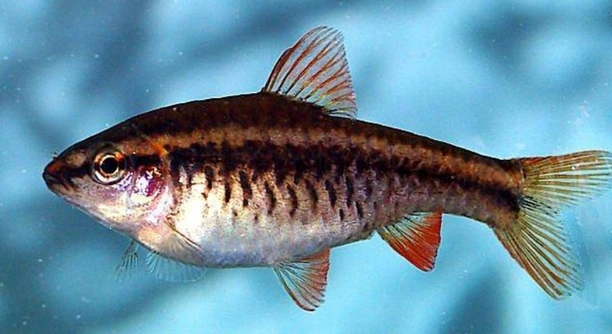
Do your cherry barbs swim alone in a large tank, even though the environment looks peaceful and spacious at first glance?
Cherry barbs are social fish and can experience stress or loneliness when kept without companions, especially in large tanks. Their well-being relies on group dynamics, which provide comfort, reduce anxiety, and encourage natural behavior.
Learning how group size and tank layout affect cherry barbs can help you create a more comfortable, interactive home for your fish.
Understanding Cherry Barb Social Needs
Cherry barbs are peaceful schooling fish that thrive best in groups of at least six. Their social behavior helps reduce stress, encourages active swimming, and allows them to express natural patterns like chasing or following. In large tanks, isolation can make these fish feel unsafe or overly cautious, even if the water conditions are ideal. When alone, a cherry barb may hide often, refuse food, or display faded coloration. These are signs of discomfort that can be easily overlooked. Keeping them in small groups not only helps them feel secure but also adds movement and interaction to the aquarium. Watching a group of cherry barbs swim together in unison can be calming, and it reflects how these fish behave in nature. Choosing tank mates carefully and providing enough space for each fish to swim without conflict is also important.
A large tank without companions can overwhelm a single cherry barb. They need social connections.
In a large aquarium, small fish like cherry barbs may feel lost or exposed. When they lack companionship, their stress levels increase. Even if water parameters are perfect, the absence of social interaction causes behavioral changes. These fish often rely on safety in numbers. In a natural setting, cherry barbs swim in schools to avoid threats and to interact with others in their group. When housed alone or in small numbers, their activity level drops. They become more reserved, which might be mistaken for calmness but is often a sign of distress. Adding more cherry barbs not only improves their mental state but also encourages vibrant colors and healthy eating habits. Their interactions can be subtle—gentle nudges, short bursts of group movement, or shared exploration of decorations. All of these are indicators that your cherry barbs feel secure in their environment.
Creating a Comfortable Tank Setup
Tank layout and hiding spaces are essential for cherry barbs. They feel more comfortable when there’s shelter nearby.
Even with a proper group, tank design plays a big role in how cherry barbs behave. Open space is important for swimming, but too much of it can make them feel exposed. Adding live or artificial plants, driftwood, and caves gives them areas to hide and rest. These spots help reduce anxiety and let the fish move around with more confidence. A well-planted tank creates soft boundaries, which encourages schooling behavior. It’s also helpful to keep lighting moderate, as overly bright light can cause stress. Use darker substrate if possible, since it makes the environment feel safer for the fish. Tankmates should be peaceful and similar in size, so cherry barbs don’t feel threatened. Avoid aggressive or much larger species, as these can disrupt the social balance. With the right setup and companions, cherry barbs will swim more freely and display brighter colors.
Signs Your Cherry Barb Might Be Lonely
When a cherry barb is lonely, it may stay near the bottom of the tank or hide behind decorations. You might also notice less movement and duller coloring. These are small signs but worth paying attention to.
Loneliness in cherry barbs can lead to behavioral and physical changes that are easy to miss. A fish that is usually active may become sluggish, preferring to stay in one corner. Some may even stop eating regularly, which can affect their health over time. Another sign is a noticeable drop in color intensity. Cherry barbs show their best coloring when they feel comfortable and secure. If one fish appears pale compared to others, it could be a signal of stress. Unusual swimming patterns, such as darting quickly without reason or hovering nervously, are also worth noting. These behaviors often improve once the fish is returned to a suitable group setting.
Adding more cherry barbs usually makes a quick difference. The lonely fish often begins swimming with the group and exploring more of the tank. Colors return, appetite improves, and activity levels increase. It’s a reminder that their well-being is closely tied to social interaction. They don’t just want company—they need it. Watching them in a proper group is both rewarding and reassuring. Their schooling behavior becomes more natural, and you can tell they’re more relaxed. If you notice signs of stress, it’s best to check how many cherry barbs you have and how balanced the tank feels. Even one or two more fish can shift the dynamic in a positive way. Making that adjustment helps prevent health issues tied to chronic stress or inactivity.
Choosing the Right Group Size
Six cherry barbs are usually the minimum for a comfortable group. More than that can help, especially in large tanks with lots of open space.
Cherry barbs rely heavily on group dynamics for safety and comfort. When kept in small numbers, they don’t exhibit the same behavior you’d see in a healthy school. A group of six is considered the minimum, but larger groups tend to create a more natural and active environment. In a spacious tank, a group of eight to ten is ideal. This encourages smoother movement and makes each fish feel more secure. It also prevents one or two fish from becoming isolated, which can happen in smaller groups. Larger groups allow natural social structures to form, reducing aggression and encouraging healthy activity. When space allows, adding a few extra cherry barbs can make a big difference in how the whole tank feels. Their improved behavior is usually noticeable within just a few days.
How Tank Size Affects Behavior
A large tank offers more space to swim but can make a single cherry barb feel isolated. Without enough companions, the extra room doesn’t bring comfort—it increases the chances of the fish feeling insecure and withdrawn.
Spacing matters just as much as group size. Cherry barbs use tank decor and plants to stay close without feeling crowded. In a larger setup, spreading plants and hiding spots throughout helps them feel safe while still enjoying open areas for schooling.
When Adding More Cherry Barbs Helps
If a cherry barb is showing signs of stress or inactivity, adding more of its kind is often the best solution. A group creates comfort and structure. Within days of increasing the group size, fish often regain their color, eat more consistently, and explore the tank freely. Social contact is essential to their health. Even active cherry barbs benefit from more company. A balanced group size reduces competition, improves schooling behavior, and encourages a healthier, more active tank dynamic. When adjusting group size, make sure the tank is large enough to support the additional fish comfortably.
Keeping Things Balanced
Balance between open space, hiding areas, and a proper group size makes the difference. Cherry barbs do best when the environment supports both movement and safety.
FAQ
Do cherry barbs need to be in groups?
Yes, cherry barbs are schooling fish and thrive in groups. They feel safer and more secure when surrounded by others of their kind. A solitary cherry barb can become stressed, leading to health issues and dull coloring. A group provides comfort, reduces anxiety, and allows them to display natural social behaviors. Six is the minimum number for a group, but a larger number, especially in a spacious tank, is even better.
What happens if you keep a cherry barb alone?
Keeping a cherry barb alone can lead to stress, which affects its behavior and health. A lonely cherry barb may become withdrawn, stop eating, or lose its vibrant color. This isolation can cause the fish to appear lethargic or exhibit erratic swimming patterns. In the absence of company, they often become skittish or overly cautious. Providing a small school of cherry barbs can significantly improve these signs of stress, helping them return to their usual lively behavior.
Can cherry barbs live with other fish?
Yes, cherry barbs are peaceful fish that get along well with many other species. They are non-aggressive and prefer tank mates that are similarly calm. Avoid pairing them with large, aggressive fish that could bully or stress them out. Cherry barbs can live with smaller peaceful species like rasboras, tetras, or other barbs. It’s also important to consider the fish’s needs, such as water temperature, to ensure compatibility.
How many cherry barbs should I have in a 20-gallon tank?
For a 20-gallon tank, a group of six to eight cherry barbs is ideal. This provides enough space for the fish to interact and express their natural schooling behavior. It’s important to ensure the tank is not overcrowded, so make sure there’s enough room for your cherry barbs and any other tank mates you might have. Keep in mind that cherry barbs are active swimmers and require sufficient space to swim freely without stress.
What do cherry barbs eat?
Cherry barbs are omnivores, so they eat a variety of foods, including high-quality flake food, pellets, and frozen or live foods like brine shrimp, daphnia, or bloodworms. They are not picky eaters and will also graze on algae and plant matter in the tank. It’s important to provide a balanced diet, as too much protein can cause health issues. Feeding them small amounts two to three times a day is ideal for their health and activity.
Are cherry barbs hardy fish?
Yes, cherry barbs are generally considered hardy fish. They are adaptable to a variety of water conditions, though they thrive best in slightly acidic to neutral water (pH 6.5 to 7.5). While they can tolerate a range of temperatures, they prefer water that is between 72°F and 80°F. Providing them with good water quality and proper tank maintenance will keep them healthy. They are a great choice for beginners, but consistent care is still necessary.
Do cherry barbs need a filter?
Yes, a filter is essential for maintaining clean and healthy water in your aquarium. Cherry barbs are sensitive to poor water quality, and a filter helps keep the water oxygenated, clear, and free from harmful toxins like ammonia and nitrites. It’s important to choose a filter that is appropriate for the size of your tank and not too strong, as cherry barbs prefer calm waters.
How can I tell if my cherry barb is stressed?
Stressed cherry barbs may exhibit several signs. These include pale coloration, erratic swimming, loss of appetite, or hiding more than usual. You may also notice them rubbing against objects in the tank, which can indicate irritation. Stress can also lead to lethargy or a lack of interaction with other fish. If you observe these behaviors, check the water quality and ensure the tank is properly stocked with a suitable group size.
Can cherry barbs breed in captivity?
Yes, cherry barbs can breed in captivity under the right conditions. They prefer a well-planted tank with plenty of hiding spaces for the eggs. If you want to breed them, it’s best to have a male-to-female ratio of 1:2 or 1:3 to encourage natural mating behavior. After mating, the female will lay eggs, which will hatch in about 2 to 3 days. The fry are tiny and need specialized care, such as finely powdered food and clean water.
How long do cherry barbs live?
Cherry barbs typically live for 3 to 5 years in captivity, though with proper care, some can live even longer. The lifespan of your cherry barb depends on factors such as water quality, tank conditions, diet, and how well it is cared for. Keeping the environment stress-free, ensuring a proper diet, and maintaining a clean tank will help your cherry barb live a longer, healthier life.
Final Thoughts
Cherry barbs are peaceful, social fish that thrive in a group. While they can survive in a large tank, the key to their well-being lies in having a sufficient number of tank mates. The more cherry barbs you have, the better they will feel, as they are naturally schooling fish. This social behavior helps them feel secure and reduces the stress that can occur when they are kept alone. A group of at least six cherry barbs is ideal for them to interact and display their natural behavior.
In addition to their need for companionship, cherry barbs also require a tank environment that supports both open swimming spaces and hiding areas. A balance of open water and plants or decorations gives them the freedom to swim while also providing spots for them to retreat when they feel threatened. Proper tank maintenance, including regular water changes and filtration, is necessary to keep the water clean and healthy. Stable water conditions are crucial for their long-term health, as cherry barbs are sensitive to changes in their environment.
Finally, while cherry barbs are hardy fish, their overall health and happiness depend on several factors, including tank size, water conditions, and the presence of other peaceful fish. With the right setup, cherry barbs can live for several years, showing vibrant colors and lively behaviors. As long as their needs are met, they will continue to be a beautiful and active part of your aquarium. Keeping a balanced and harmonious tank is the key to ensuring that your cherry barbs, and other tank mates, remain healthy and content.

Hello,
If you enjoy the content that we create, please consider saying a "Thank You!" by leaving a tip.
Every little bit helps us continue crafting quality advice that supports the health, happiness, and well-being of pets around the world, for pets of all shapes, sizes, and species.
We really appreciate the kindness and support that you show us!