
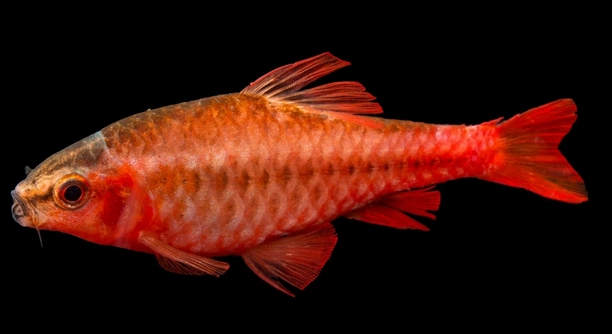
Are your cherry barbs showing signs of breeding behavior but not quite making it to the spawning stage? Diet plays a bigger role than many realize, and choosing the right foods can make all the difference.
Specific foods such as live daphnia, brine shrimp, bloodworms, and mosquito larvae significantly stimulate spawning in cherry barbs. These protein-rich options mimic natural breeding conditions and promote hormonal activity, encouraging mating behavior and successful egg-laying.
Learning what to feed your cherry barbs can lead to a more active and thriving tank. These simple food changes are easy to introduce.
Live Daphnia for a Natural Response
Live daphnia are one of the most effective foods to trigger cherry barb spawning. They closely resemble what cherry barbs would consume in the wild, making them an ideal protein source. These tiny freshwater crustaceans stimulate the fish’s reproductive hormones, leading to noticeable changes in behavior. Males become more vibrant in color, and females grow rounder with eggs. Offering live daphnia once or twice a day for a week can prepare a bonded pair for successful breeding. You can culture daphnia at home or purchase them from reputable aquarium supply stores to ensure they are clean and safe.
Live daphnia are easy to digest and full of essential nutrients. This helps maintain overall health while supporting spawning behavior.
Cherry barbs are more responsive to live foods than to frozen or flake alternatives. Feeding live daphnia in small amounts will help avoid water quality issues and reduce stress. Always remove uneaten portions promptly.
Protein-Packed Brine Shrimp
Brine shrimp provide a strong protein boost that supports egg development in female cherry barbs. Their movement in the water also triggers natural hunting instincts, keeping the fish active and more likely to engage in breeding displays.
When preparing cherry barbs for breeding, brine shrimp are highly recommended. These shrimp are rich in amino acids and lipids, which help with gamete production. Female cherry barbs become visibly plumper, while males become more territorial and competitive. Feed brine shrimp twice daily in small portions. Avoid overfeeding, as leftover food can compromise tank conditions. Newly hatched brine shrimp, or “baby brine shrimp,” are even more nutritious and can be easily cultured at home using saltwater, an air pump, and brine shrimp eggs. This gives you a fresh and reliable food source. Always rinse brine shrimp before adding them to the tank to remove any lingering salt or debris that could alter your tank’s balance.
Bloodworms for Rapid Results
Bloodworms are excellent for conditioning cherry barbs before spawning. Their high iron and protein content supports energy levels and reproductive readiness. Offer them sparingly, as they are rich and can quickly impact water quality if overused.
Frozen or live bloodworms can both be used, though live ones offer more movement and may create a stronger feeding response. Feed small portions once a day for up to a week when preparing for breeding. Look for increased activity and color intensity in males as a sign they are responding well. Bloodworms should be rinsed thoroughly to reduce the chance of introducing unwanted waste. When used correctly, they can be a reliable trigger, especially when combined with water changes and a slightly warmer temperature.
Avoid feeding bloodworms too often outside of breeding preparation. They are best used occasionally to prompt specific results. A mix of other protein sources should remain the core of the diet.
Mosquito Larvae as a Seasonal Option
Mosquito larvae are a highly stimulating live food, especially during warmer months when they are easier to collect. They encourage chasing and activity, which can help increase spawning interest between a bonded pair of cherry barbs.
If available, mosquito larvae make a perfect addition to a pre-spawning feeding plan. Their wiggling motion naturally excites fish, promoting interactions that often lead to spawning. They are safe to use when collected from clean, pesticide-free water sources, or they can be cultivated in a controlled setup using shallow containers outdoors. Feed larvae once daily in small amounts to prevent buildup at the bottom of the tank. These larvae offer hydration, protein, and a fun challenge that keeps cherry barbs stimulated. Limit use to a week at a time to avoid nutritional imbalance. Combining mosquito larvae with other live options can yield stronger results and help ensure a successful breeding cycle.
Microworms for Young Pairs
Microworms are ideal for smaller or younger cherry barbs that may not be ready for larger live food. Their size makes them easy to eat and digest, encouraging regular feeding without overwhelming the fish.
These worms can be easily cultured at home using oatmeal or mashed potatoes as a base. They offer a reliable protein source and are useful when preparing fish for their first spawning attempts.
Grindal Worms as a Daily Boost
Grindal worms are another soft-bodied live food that can enhance spawning behavior. Slightly larger than microworms, they’re perfect for adult cherry barbs. These worms contain protein and fat, supporting egg production and overall energy. Feed them daily in small portions to maintain clean water and encourage breeding readiness.
Egg Yolk as a Homemade Option
Boiled egg yolk can be used in moderation to supplement a protein-rich diet. It should be finely mashed and offered in very small quantities to avoid clouding the water.
FAQ
How often should I feed cherry barbs when preparing for spawning?
Feed them two to three times a day in small amounts. Use live or frozen protein-rich foods like daphnia, brine shrimp, or bloodworms during this time. Consistent feeding helps condition their bodies for reproduction without overwhelming the tank with waste.
Can I use only one type of food to trigger spawning?
It’s better to rotate between a few high-protein live foods. Relying on just one can lead to nutritional imbalances. A varied diet helps stimulate different responses and keeps fish engaged and healthy, making the breeding process more successful overall.
What signs show my cherry barbs are ready to spawn?
Males become more colorful and display chasing or nudging behavior. Females appear rounder, especially in the belly. You might also see them hovering near fine-leaved plants or the tank bottom, where they could lay or fertilize eggs.
Is live food better than frozen or dried food for spawning?
Yes, live food tends to trigger more natural behavior. It mimics what cherry barbs would eat in the wild. The movement of live food increases activity levels and encourages more interaction between males and females, which supports spawning.
What water conditions help cherry barbs spawn?
Slightly warmer water around 78–80°F (25–27°C), soft water, and a slightly acidic pH between 6.5 and 7.0 can help. Frequent small water changes also mimic rainfall, a natural cue for breeding behavior in many tropical fish species.
Can I feed my other fish these foods during spawning prep?
Yes, most community fish will benefit from the same protein-rich live foods. Just make sure to adjust portions and feeding times to avoid overfeeding and poor water quality, especially if you have smaller or slower fish in the same tank.
Where can I find live foods like daphnia or mosquito larvae?
You can buy them from aquarium stores or culture them at home. For mosquito larvae, use shallow containers of clean water outdoors. For daphnia or microworms, starter cultures are easy to find online or through local fishkeeping groups.
Do cherry barbs eat their eggs?
Yes, they often do. If you’re trying to save the eggs, move the adults to another tank after spawning. Another option is to let the eggs fall into fine-leaved plants or breeding mops that help shield them from hungry adults.
How long does it take for cherry barb eggs to hatch?
Eggs usually hatch within 24 to 48 hours, depending on the water temperature. Warmer water can speed up hatching. Keep the tank quiet and clean during this period to increase survival rates of the fry.
What should I feed cherry barb fry after they hatch?
Start with infusoria or powdered fry food. After a few days, you can switch to microworms or newly hatched brine shrimp. Feeding small amounts multiple times daily supports their growth without overwhelming the tank with excess food.
Is it okay to use commercial spawning food instead of live options?
Commercial foods can work, but they’re not always as effective. Live food triggers a more natural response and generally leads to better results. If using commercial products, look for those with high protein content and minimal fillers.
Should I keep breeding cherry barbs in a separate tank?
Yes, a breeding tank helps control conditions and protects eggs from being eaten. It’s easier to maintain water quality and monitor behavior. A bare-bottom tank with fine-leaved plants or spawning mops works well for this purpose.
What size tank is best for breeding cherry barbs?
A 10 to 15-gallon tank is enough for a breeding pair or small group. Keep the setup simple, with a sponge filter, heater, and plants or mops to catch the eggs. Dim lighting and a secure lid also help reduce stress.
Do I need a male-to-female ratio for better spawning?
A ratio of one male to two females works best. It reduces stress on any single female and encourages competition between males, which boosts courtship behavior and increases your chances of a successful spawn.
Final Thoughts
Feeding cherry barbs the right foods is an important step in encouraging successful spawning. These fish respond well to protein-rich options like live daphnia, mosquito larvae, brine shrimp, and bloodworms. These foods closely match what they would eat in the wild and help trigger natural breeding behaviors. While processed foods can play a role in everyday feeding, they don’t have the same impact when preparing your fish for reproduction. Even homemade options like egg yolk can support this process if used correctly and in moderation. It’s not just about feeding more, but about feeding smart and understanding what your fish need during this time.
Observing your cherry barbs during spawning prep helps you learn what’s working. Look for changes in color, activity level, and how the males interact with the females. A bright, active male often signals that the conditions and feeding are supporting his breeding readiness. Females that are growing rounder and engaging with plants or tank corners may be preparing to release eggs. When these signs appear, it’s best to maintain stable conditions, avoid sudden changes in temperature or pH, and reduce stress. Clean water, regular feeding, and the right tank environment all contribute to improving your chances of seeing your cherry barbs spawn.
Breeding cherry barbs can be a simple and rewarding experience if you pay attention to their habits and offer the foods that support their health and energy. Not every attempt will lead to eggs or fry, but consistency and patience make a difference. Avoid overfeeding, especially with rich foods, and always remove uneaten food to keep the tank clean. Whether you’re using live worms, homemade mixes, or a rotation of different protein sources, what matters most is the overall care and balance you provide. If spawning doesn’t happen right away, it may just mean the fish need more time or slightly better conditions. Keep their routine stable, and over time, you’ll learn what works best for your specific group of cherry barbs.

Hello,
If you enjoy the content that we create, please consider saying a "Thank You!" by leaving a tip.
Every little bit helps us continue crafting quality advice that supports the health, happiness, and well-being of pets around the world, for pets of all shapes, sizes, and species.
We really appreciate the kindness and support that you show us!