
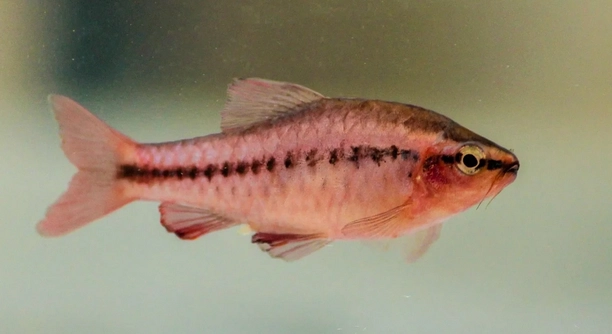
Cherry barbs are a popular choice for aquarium enthusiasts due to their vibrant colors and peaceful nature. As with all fish, they are susceptible to certain diseases, and ich is one of the more common concerns for aquarium owners.
Cherry barbs are not especially prone to ich, but they can still contract the disease, particularly under stressful conditions. Factors such as poor water quality, overcrowding, or sudden temperature changes can increase the likelihood of an outbreak.
Understanding these conditions will help you prevent ich and ensure your cherry barbs stay healthy in the long term.
What is Ich and How Does It Affect Fish?
Ich, or Ichthyophthirius multifiliis, is a common parasitic disease that affects fish in aquariums. It is caused by a protozoan parasite that attaches to the skin, gills, and fins of the fish, leading to irritation and discomfort. Symptoms of ich include white spots on the fish’s body, increased scratching, and rapid gill movement. The disease can spread quickly in aquarium settings, especially if the water quality is poor or if the fish are stressed.
The parasite thrives in warmer water temperatures, making it more common during summer months. While cherry barbs are not highly susceptible, they can still catch ich if their immune systems are weakened. It’s important to monitor water quality and ensure the aquarium environment is stable to reduce the chances of an outbreak.
Ich can be treated with copper-based medications or by raising the aquarium’s temperature to speed up the parasite’s life cycle, allowing it to be eradicated more quickly. Maintaining proper water conditions and reducing stress on your fish can help prevent future outbreaks.
Signs of Ich in Cherry Barbs
If your cherry barbs are showing signs of stress or illness, it’s important to identify whether they have ich. The most obvious symptom is the appearance of tiny white spots on the fish’s body and fins. This indicates the presence of the parasite.
Treatment options for ich involve isolating infected fish and adding medication or raising the temperature of the water. A controlled temperature increase accelerates the parasite’s life cycle, helping it to clear up more quickly. Be mindful of other fish in the tank, as ich can spread fast.
How Cherry Barbs Contract Ich
Cherry barbs can contract ich through contact with infected fish, water, or equipment. This is especially likely in tanks where water quality is poor, or fish are stressed. Poor filtration, overcrowding, or sudden changes in temperature can weaken their immune systems, making them more susceptible.
Ich spreads quickly in an aquarium, so it’s important to quarantine any new fish before introducing them. The parasite can hitch a ride on decorations, plants, and even tank maintenance equipment. Cherry barbs, like other fish, are more vulnerable during moments of high stress, such as water changes or aggression from tankmates. Preventing ich starts with maintaining a stable, clean environment and managing the tank’s stress levels.
Adding a quarantine tank to your setup can greatly reduce the risk of introducing ich into your main aquarium. It’s also important to keep an eye on the water parameters, such as pH, temperature, and ammonia levels, as unstable conditions can make cherry barbs more prone to disease.
Preventing Ich in Cherry Barbs
To prevent ich, focus on creating a stable and clean environment. Regular water changes and maintaining appropriate temperature and pH levels are essential for keeping fish healthy. Water filtration should be adequate to remove waste and ensure proper circulation.
Avoid overstocking the tank, as overcrowding can lead to higher stress levels for your fish, which makes them more vulnerable to diseases like ich. Also, be cautious when introducing new fish or plants, as they can carry parasites without showing symptoms. Quarantine any new additions for at least two weeks before adding them to your main tank. This step will help reduce the chances of introducing unwanted pathogens.
Maintaining a balanced and stress-free environment is key to preventing the spread of ich. By managing water conditions and avoiding overcrowding, you’ll reduce the risk of outbreaks and help keep your cherry barbs healthy in the long run.
Treatment Options for Ich
When cherry barbs contract ich, treatment options include raising the tank’s temperature and using medicated treatments. Increasing the temperature speeds up the parasite’s life cycle, allowing it to be eliminated more quickly. Medications like copper-based treatments can also help.
It’s important to quarantine any infected fish to prevent the disease from spreading to others. During treatment, be sure to monitor the water quality closely. Elevated temperatures can reduce oxygen levels, which can stress your fish. Ensure the aquarium has adequate aeration and adjust the temperature gradually to avoid shocking the system.
Maintaining a consistent treatment plan is crucial. Depending on the severity, treatment may take several days to fully eradicate the parasite. Following the instructions on the medication packaging and ensuring proper water conditions will help recover your cherry barbs faster.
The Role of Water Quality in Ich Prevention
Water quality plays a significant role in preventing ich. Poor water conditions can weaken your cherry barbs’ immune systems, making them more vulnerable to disease. Regular water testing is essential to ensure your tank stays safe.
Ammonia, nitrites, and nitrates should be kept at safe levels to avoid stressing your fish. Maintaining a stable pH and temperature is also key to keeping your cherry barbs healthy. Proper filtration will help remove waste and keep the water clean, preventing harmful bacteria from building up.
Regular water changes and testing will help maintain the optimal environment, lowering the risk of ich outbreaks. A stable environment makes your fish more resistant to diseases like ich.
Monitoring Your Cherry Barbs
Watching your cherry barbs closely for signs of illness is important. Look for symptoms like unusual behavior or white spots on the skin. If you spot these signs early, it can be easier to treat ich before it spreads.
Being proactive helps you maintain a healthy tank and catch any issues before they become serious. Early intervention gives your fish the best chance of a full recovery.
FAQ
Can Cherry Barbs Get Ich Even if They Are Not Stressed?
Yes, cherry barbs can get ich even if they are not particularly stressed. While stress does make them more susceptible, the parasite can still infect them through contaminated water, equipment, or even other fish in the tank. It’s important to regularly clean the tank and monitor for any signs of illness, even in healthy-looking fish.
How Can I Tell if My Cherry Barb Has Ich?
The most common sign of ich is the appearance of tiny white spots on the skin, fins, and gills of your cherry barb. These spots may resemble grains of salt and are often accompanied by other symptoms such as increased scratching, rubbing against objects, or rapid gill movement. Infected fish may also become lethargic or swim erratically.
What Temperature Should I Raise the Tank To When Treating Ich?
To speed up the parasite’s life cycle, raise the tank temperature to around 82-86°F (28-30°C). However, avoid sudden temperature changes, as they can stress your fish. Gradually increase the temperature by no more than 1-2°F (0.5-1°C) every couple of hours. Always monitor the oxygen levels in the tank as warmer water holds less oxygen.
Is Copper-Based Medication Safe for Cherry Barbs?
Yes, copper-based medications can be effective in treating ich, but they should be used with caution. Cherry barbs are generally more tolerant of copper treatments than other species, but it’s important to follow the instructions carefully. Overuse or improper dosage can harm the fish or disrupt the biological filter. Always monitor your fish closely during treatment.
How Long Does It Take to Treat Ich in Cherry Barbs?
Treatment can take anywhere from 7 to 14 days, depending on the severity of the infection and the effectiveness of the treatment. Raising the temperature speeds up the life cycle of the parasite, allowing it to be eliminated more quickly. Make sure to continue the treatment for the full recommended period to ensure the parasite is completely gone.
Can Ich Be Prevented in Cherry Barbs?
Yes, ich can be prevented by maintaining good water quality, avoiding overcrowding, and reducing stress in the aquarium. Quarantining new fish before adding them to the main tank is also an effective way to prevent the introduction of the parasite. Regular water changes, proper filtration, and stable water conditions go a long way in keeping cherry barbs healthy and disease-free.
Should I Remove Infected Fish from the Tank?
Yes, it’s a good idea to remove infected fish from the main tank to prevent the spread of ich to healthy fish. Isolate them in a quarantine tank where they can receive treatment without affecting the rest of the aquarium. Ensure the quarantine tank has similar water conditions to reduce stress on the infected fish.
Can Ich Spread to Other Fish in the Tank?
Ich can spread quickly from one fish to another through contact, especially in crowded or stressed environments. The parasite’s cysts can fall off an infected fish and float in the water, where they can infect other fish. Quarantining new fish, keeping the tank clean, and maintaining good water quality can help reduce the risk of an outbreak.
Can Ich Affect Other Species in the Same Tank?
Yes, ich can affect other species in the tank. While cherry barbs are not especially prone to it, other species in the same tank may also be susceptible to the parasite. If one fish shows signs of ich, it’s best to treat the entire tank or quarantine the infected fish to prevent the spread.
Is It Safe to Use Salt to Treat Ich in a Freshwater Tank?
While salt can be an effective treatment for ich in freshwater tanks, it should be used carefully with cherry barbs. Too much salt can harm your fish, especially if they are not used to it. If you choose to use salt, dissolve it in water before adding it to the tank, and monitor the fish closely for any signs of distress.
What Happens if Ich Is Left Untreated?
If ich is left untreated, it can lead to severe stress, illness, or even death for your cherry barbs. The parasite will continue to multiply and damage the fish’s skin, gills, and fins, affecting their ability to breathe and causing additional complications. It’s important to treat ich as soon as possible to prevent serious harm.
Can I Use Medications in a Tank with Live Plants?
Some medications can harm live plants, so it’s important to check the instructions on the packaging before using them. If you need to treat ich and have live plants in the tank, consider moving the plants to a separate tank temporarily or using a medication that is safe for plants. Always research before adding any treatment to your aquarium.
How Do I Know if the Ich Is Gone?
You’ll know the ich is gone when the white spots on your cherry barbs disappear and the fish show signs of recovery, such as normal swimming behavior and improved appetite. Continue treatment for a few extra days after the last visible signs to ensure the parasite is completely eradicated.
Are Cherry Barbs Resistant to Other Common Fish Diseases?
While cherry barbs are relatively hardy, they are still susceptible to other common fish diseases such as fin rot, fungal infections, and velvet disease. Maintaining proper water quality, a stress-free environment, and good tank management practices can help minimize the risk of these diseases affecting your fish.
What Should I Do If I Notice an Outbreak of Ich in a Community Tank?
If you notice an outbreak of ich in a community tank, it’s best to immediately isolate the infected fish in a quarantine tank for treatment. Raise the temperature of the main tank and add medication to treat the parasite. It’s also important to ensure good water circulation and monitor the tank’s water parameters closely during the treatment.
Is There a Natural Way to Treat Ich in Cherry Barbs?
While some aquarists prefer natural treatments, like raising the tank temperature or using garlic, these methods are not always as effective as traditional medications. If the ich outbreak is severe, it’s usually best to use copper-based or formalin-based medications. Natural treatments can sometimes help in milder cases or as a preventive measure.
Final Thoughts
Ich is a common disease in aquariums, and while it can be concerning, it is treatable with the right approach. Cherry barbs, like many other freshwater fish, can become infected by this parasite, but with early intervention, they can recover. Keeping an eye on your fish for signs of illness is key. White spots on the body and fins are the most obvious sign of ich. If you notice these, it’s best to act quickly and start treatment right away. The sooner you address the problem, the easier it will be to contain and eliminate the parasite.
Maintaining a stable and clean environment in your tank can help reduce the risk of ich. Water quality is crucial, as poor water conditions can stress fish and make them more vulnerable to diseases. Regular water changes, good filtration, and checking water parameters frequently will support the health of your cherry barbs. Additionally, quarantining new fish before introducing them to your main tank can help prevent the introduction of parasites like ich. Prevention is often easier than dealing with an outbreak, so taking these steps will save you time and effort in the long run.
While ich can be managed, it’s important to follow through with the treatment until the parasite is completely gone. This includes raising the water temperature, using the right medications, and keeping the tank environment optimal. Patience is necessary when treating ich. Even after the visible signs disappear, continue with the treatment for a few days to ensure the parasite is entirely eradicated. By staying proactive and attentive, you can help your cherry barbs stay healthy and prevent future outbreaks. Regular monitoring of your fish, water quality, and tank setup will go a long way in maintaining a disease-free aquarium.

Hello,
If you enjoy the content that we create, please consider saying a "Thank You!" by leaving a tip.
Every little bit helps us continue crafting quality advice that supports the health, happiness, and well-being of pets around the world, for pets of all shapes, sizes, and species.
We really appreciate the kindness and support that you show us!