
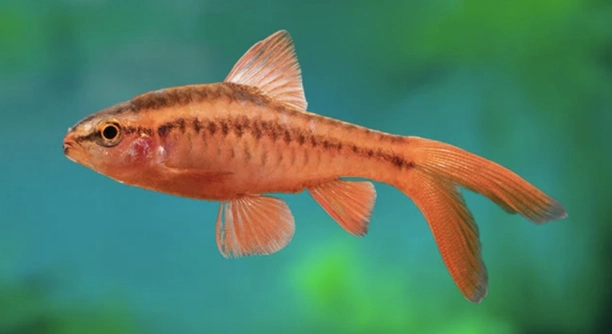
Introducing new fish to a tank can be a delicate process, especially when it comes to species like cherry barbs. Knowing the best practices for a smooth transition will help ensure the health and happiness of your fish.
The most effective method for introducing cherry barbs to a tank is to acclimate them slowly by using a drip system or gradual water adjustments. This minimizes stress and ensures they adjust to the new environment safely, reducing the risk of shock.
Understanding these steps will make the process easier and improve the chances of successful integration for your cherry barbs.
Proper Acclimation Methods for Cherry Barbs
When adding cherry barbs to your tank, acclimation is key. Start by floating the bag they came in on the water’s surface for about 15 to 20 minutes. This allows the water temperature to equalize. After that, gradually introduce small amounts of tank water into the bag to help them adjust to the water parameters. Use a drip acclimation method if possible, which is slower and more controlled, reducing stress for the fish.
It’s important to avoid sudden changes in water temperature or chemistry, as these can cause shock and harm your cherry barbs. A slow and steady approach helps ease the transition.
Acclimating them correctly will improve their chances of adjusting to the tank successfully. It’s a simple but essential step to keep your cherry barbs healthy in their new home. The process also makes the fish feel more at ease and lowers the risk of any problems later on.
Tank Conditions for Cherry Barbs
Ensuring that your tank environment is suitable for cherry barbs is just as crucial. These fish thrive in well-planted tanks with moderate water flow and a temperature range between 74°F and 80°F. The water should be soft to slightly hard, with a pH between 6.5 and 7.5. Keeping your tank stable in terms of temperature and water chemistry is essential for the overall health of your fish.
Along with water quality, having hiding spots like plants, rocks, or driftwood can help your cherry barbs feel secure. While they are social, they also appreciate the ability to retreat to a quiet corner when needed. Cherry barbs are active swimmers and enjoy having plenty of space to move around. Overcrowding the tank or leaving it too bare can cause unnecessary stress.
Creating a comfortable environment not only helps with their acclimation but also supports their long-term health. It ensures that your cherry barbs will live happily and thrive in their new habitat.
Avoid Overcrowding the Tank
Overcrowding can cause stress and health issues for cherry barbs. It’s crucial to maintain a tank size that provides enough space for each fish to swim comfortably. A tank that is too small will lead to aggression and poor water quality.
Cherry barbs do best in a tank with a capacity of at least 20 gallons, with enough room for them to swim in groups. Keeping a proper fish-to-tank ratio reduces the likelihood of territorial disputes. Adding too many fish too quickly can lead to spikes in ammonia and nitrites, affecting water quality.
It’s essential to monitor water parameters closely and ensure that the tank isn’t overstocked. If your cherry barbs seem stressed or aggressive, it’s often a sign that the tank is too small. Providing a spacious environment allows them to feel safe and thrive.
Regular Water Changes
Changing the water regularly is one of the best ways to maintain a healthy tank. Cherry barbs are sensitive to poor water quality, so performing partial water changes every week is important.
Aim to replace about 25% of the tank water each week to maintain stability. Doing so helps remove toxins and ensures that the water stays clean and healthy. Use a water conditioner to remove chlorine or chloramine when changing the water. A clean environment reduces the risk of disease and ensures your cherry barbs stay healthy.
Regular water changes also prevent algae buildup, which can affect the water chemistry. Keeping your tank in good shape allows cherry barbs to live in a stable, comfortable environment.
Proper Tankmates for Cherry Barbs
Cherry barbs are peaceful fish but still benefit from having the right tankmates. Choose non-aggressive species that won’t harass or outcompete them for food. Keeping peaceful species together ensures a calm tank environment.
Good tankmates for cherry barbs include small peaceful fish, such as tetras, rasboras, or guppies. Avoid aggressive fish, such as cichlids or larger barbs, as they can stress your cherry barbs. It’s important to maintain harmony by carefully selecting other species that complement their temperament.
Feeding Cherry Barbs
Feeding cherry barbs requires offering a balanced diet. They are omnivores, so a variety of foods is essential. Providing both plant-based and protein-rich options helps ensure they receive the nutrients they need.
Feed cherry barbs small amounts of high-quality flake food, frozen foods, and occasional live food. Be sure to feed them twice a day to keep them healthy. Remove uneaten food after a few minutes to prevent water contamination. Proper feeding habits promote good growth and reduce the chances of digestive issues.
FAQ
What size tank is best for cherry barbs?
A tank size of at least 20 gallons is ideal for a small group of cherry barbs. This gives them enough space to swim freely and reduces stress. A larger tank is always better, as it helps maintain water quality and provides space for proper filtration. A crowded tank can lead to territorial disputes and poor water conditions.
Can cherry barbs live with other fish?
Yes, cherry barbs are peaceful and generally do well with other non-aggressive fish. They can live with species like tetras, rasboras, and guppies. Avoid housing them with larger, aggressive fish, as these can cause stress and harm. Proper tankmate selection is key to a peaceful environment.
How many cherry barbs should be kept together?
Cherry barbs are social fish and prefer to be in groups. It’s best to keep at least 6 cherry barbs together. A small group allows them to feel secure and encourages natural behavior. A larger group can reduce stress and create a more vibrant and active display.
How often should I feed my cherry barbs?
Feed your cherry barbs small amounts twice a day. Offer a variety of foods, including high-quality flakes, pellets, and occasional live or frozen foods like brine shrimp or daphnia. Be sure to remove any uneaten food after a few minutes to avoid water contamination.
What is the ideal water temperature for cherry barbs?
Cherry barbs thrive in water temperatures between 74°F and 80°F. Keeping the temperature stable within this range helps maintain their health and reduces stress. Fluctuations outside this range can lead to weakened immune systems or even illness.
What should the pH level be for cherry barbs?
The ideal pH level for cherry barbs is between 6.5 and 7.5. A slightly acidic to neutral pH is best for these fish. Test your water regularly to ensure the pH stays within this range. Sudden changes in pH can stress your fish.
Do cherry barbs need a filter?
Yes, cherry barbs need a filter to maintain water quality. A good filtration system removes toxins, debris, and excess nutrients. It helps keep the water clean and ensures that the fish remain healthy. However, avoid strong currents as cherry barbs prefer calm water.
Can cherry barbs be kept with shrimp?
Cherry barbs are usually fine with shrimp, especially species like Amano or cherry shrimp. However, smaller shrimp may become targets for hungry fish, so it’s important to monitor their interactions. Provide plenty of hiding spots for the shrimp to ensure they feel safe.
How long do cherry barbs live?
Cherry barbs have a lifespan of 3 to 5 years, but with proper care, they can live even longer. Maintaining stable water conditions, a balanced diet, and a stress-free environment will help extend their life and ensure they remain healthy.
Do cherry barbs breed in the tank?
Cherry barbs can breed in a well-maintained tank, but it’s not guaranteed. If you wish to breed them, provide a separate breeding tank with plants to help them feel secure. The male will display vibrant colors to attract the female, and once they spawn, the eggs will hatch within a few days.
How do I know if my cherry barbs are stressed?
Stressed cherry barbs may display erratic swimming, faded colors, or unusual behavior. They may also hide or appear more aggressive than usual. Check the water quality, tank mates, and environment to ensure there are no stress factors. Stress can weaken their immune systems and lead to illness.
What do I do if my cherry barbs are getting sick?
If your cherry barbs show signs of illness, such as discoloration, lethargy, or abnormal behavior, isolate them in a quarantine tank. Check the water parameters and consider consulting a vet or aquatic specialist for advice. Early treatment is key to preventing the spread of disease.
How can I tell the difference between male and female cherry barbs?
Male cherry barbs have brighter colors, particularly a deeper red hue, and a slimmer body shape. Females are generally larger, with a duller color and rounder body. Males also tend to be more active, especially when displaying to attract females.
Are cherry barbs difficult to care for?
Cherry barbs are relatively easy to care for as long as their basic needs are met. They thrive in stable water conditions and a peaceful tank environment. Regular water changes, a balanced diet, and proper tankmates are essential to keeping them healthy and happy.
Can cherry barbs live in cold water?
Cherry barbs are tropical fish and require warm water. They should not be kept in cold water, as it can stress them out and weaken their immune system. Keep the water temperature between 74°F and 80°F for optimal health.
How can I make my cherry barbs feel more comfortable in the tank?
Provide plenty of hiding spots and plants to give your cherry barbs a sense of security. Keep the water parameters stable and avoid sudden changes. A calm, peaceful environment will help them feel more comfortable and reduce stress.
Final Thoughts
Introducing cherry barbs to your tank is a rewarding experience, but it requires careful planning and attention. By selecting the right tank size, providing proper water conditions, and choosing compatible tankmates, you ensure that your cherry barbs thrive. These fish are relatively easy to care for but still benefit from a stable, peaceful environment. Regular maintenance like water changes and proper feeding habits will go a long way in keeping them healthy and happy.
Though cherry barbs are peaceful, they are still active and need a well-maintained tank to avoid stress. Overcrowding and poor water quality can lead to aggression and health problems. Therefore, always pay attention to the space available in the tank and monitor the water conditions regularly. It’s important to keep their environment as stable as possible to reduce the risk of disease or stress-related issues.
With a little attention and care, cherry barbs can be a beautiful and active addition to your aquarium. Their vibrant colors and peaceful nature make them a favorite for many hobbyists. By following these basic guidelines and observing their behavior, you can create a thriving tank that both you and your fish will enjoy.

Hello,
If you enjoy the content that we create, please consider saying a "Thank You!" by leaving a tip.
Every little bit helps us continue crafting quality advice that supports the health, happiness, and well-being of pets around the world, for pets of all shapes, sizes, and species.
We really appreciate the kindness and support that you show us!