
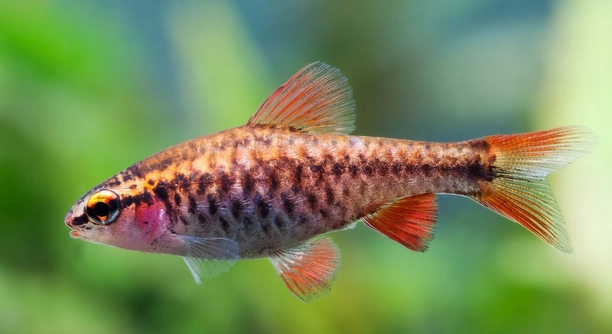
Is your cherry barb flaring its fins more often than usual, leaving you wondering what might be causing this behavior? It can be surprising when fish start acting differently in their tank.
Cherry barbs often flare their fins due to stress, mating behavior, or territorial displays. Changes in water quality, tank mates, or environmental factors may also trigger this action. Observing closely can help identify the root cause.
Learning more about these reasons will help you support your cherry barb’s well-being and maintain a peaceful, balanced aquarium.
Common Reasons Your Cherry Barb Is Flaring Its Fins
Cherry barbs are peaceful fish, but there are specific reasons they may flare their fins. One of the most common triggers is breeding behavior. Males often display flared fins to attract females or to ward off competing males. This is natural and usually nothing to worry about. However, if the flaring seems constant or aggressive, stress might be the issue. Poor water conditions, lack of hiding spots, or sudden changes in the environment can all contribute to stress. Tank mates also matter. If your barb is housed with fin-nippers or overly active fish, it might flare as a defensive response. Keep an eye on tank dynamics and how other fish interact with your barb. A flaring cherry barb doesn’t always mean trouble, but it’s worth paying attention to patterns and context. Subtle cues in behavior often signal how comfortable your fish feels in its environment.
It’s important to watch for other signs of stress like hiding, loss of color, or skipping meals.
A calm tank setup with consistent water conditions and suitable tank mates helps keep your cherry barb relaxed. Adding plants, decor, and calm lighting creates a sense of safety, reducing the need for defensive behaviors like fin flaring.
How to Tell the Difference Between Normal and Stress-Related Flaring
Not all fin flaring means your fish is stressed.
If your cherry barb flares only occasionally and still swims confidently, eats normally, and has vibrant color, it’s likely showing natural behavior. Males especially flare when displaying to females or establishing their place in the tank. On the other hand, flaring paired with darting, hiding, or pale coloring might suggest something is wrong. Stress-related flaring tends to be more frequent and frantic, often triggered by something in the environment. A water test is a great starting point. Even small ammonia spikes can upset delicate fish. Consider recent changes—like a new tank mate, rearranged decor, or loud noises near the aquarium. If you suspect stress, try adjusting lighting, improving water flow, or offering more hiding spots. Watch closely after making any changes to see if the behavior improves. The goal is to create a space where your fish feels secure and less reactive.
What You Can Do to Calm the Flaring
Start by checking your water parameters. Poor water quality can stress fish quickly. Make sure ammonia and nitrite levels are at zero and nitrate is kept low. A reliable test kit helps track this easily.
If your cherry barb seems stressed, improve its surroundings. Add live or silk plants to give it places to hide. Keep tank lighting soft and avoid sudden changes. Try to reduce noise and movement around the tank. Use a gentle filter that doesn’t create strong currents. Sometimes, just rearranging the tank decor gives your barb new areas to explore, which can lower stress. Consider tank mates too. Peaceful fish like other small barbs or rasboras are a good match. Avoid fin-nippers or aggressive species. A stressed cherry barb needs time and stability, so make adjustments gradually and observe how your fish responds. Positive changes often lead to calmer behavior within days.
Adding Indian almond leaves can also help. They release tannins, which lower pH slightly and promote a calming environment. This creates a more natural feel for your cherry barb. Feed a balanced diet of high-quality flakes, pellets, and occasional frozen foods. A good diet supports a healthy immune system and reduces stress-related behaviors over time.
When to Be Concerned About Flaring
If your cherry barb flares its fins constantly and shows signs like rapid breathing, fading color, or isolation, it may be more than a territorial display. These symptoms often point to deeper issues needing attention.
Flaring combined with physical symptoms like white spots, frayed fins, or bloating could indicate illness or parasite infections. Ich is one common problem that often appears with flashing behavior, where the fish rubs against surfaces. Infections like fin rot or bacterial diseases may also lead to excessive flaring. Monitor feeding habits and look for any sudden changes in swimming. If anything seems off, separate the fish in a quarantine tank and start treatment based on symptoms. Always avoid harsh chemicals unless necessary—try aquarium salt or temperature adjustments first. If there’s no improvement within a few days, consult a local fish store or aquatic vet. Acting early can prevent more serious problems and keep your tank balanced.
Other Behaviors to Watch Alongside Flaring
Cherry barbs often swim erratically when stressed. Quick darting or staying in one corner can mean they’re uncomfortable with their environment or tank mates. Watching for consistent patterns helps identify what’s bothering them and how to fix it.
Loss of appetite is another sign something may be wrong. Healthy cherry barbs should be active during feeding time. If your fish ignores food or spits it out, it could be reacting to poor water quality or illness. A sudden change in behavior is always worth noting and responding to quickly.
How Tank Setup Affects Cherry Barb Behavior
A well-planned tank setup can make a big difference in how your cherry barb acts. Cherry barbs feel safer in planted tanks with calm water flow. If the space feels too open, they may become shy or stressed, flaring their fins as a reaction. Keeping at least six cherry barbs together helps reduce tension, as they prefer being in groups. Avoid bright lights and use darker gravel or backgrounds to help them feel secure. A mix of live plants, soft substrate, and hiding spots creates a more balanced space for them. When the tank feels stable and natural, cherry barbs show their best colors and behaviors.
The Role of Tank Mates
Peaceful tank mates are essential for keeping cherry barbs calm. Avoid aggressive fish or those that nip fins. Ideal companions include rasboras, small tetras, or corydoras. The right mix encourages natural behavior and reduces fin flaring.
FAQ
Why is my cherry barb flaring at other fish?
Cherry barbs flare at other fish as a way of establishing territory or showing dominance. This is common in smaller community tanks, especially when space is limited. Males are more likely to flare when competing with other males or feeling challenged by similar-sized fish. If the behavior seems constant, it might be a sign the tank is too small or overcrowded. Adding more plants and hiding spots can break lines of sight and help reduce tension. Keeping cherry barbs in small groups of six or more also spreads out aggression and makes them feel more secure.
Is flaring always a sign of aggression in cherry barbs?
Not always. Flaring can be a form of communication or a display of health and confidence, especially during breeding periods. Males will often flare to impress females or establish their place in the group. As long as no one is getting injured or stressed, occasional flaring isn’t a problem. However, if you notice other behaviors like hiding, rapid breathing, or damaged fins, then flaring could be part of a bigger issue. Keep an eye on the situation and make changes if it becomes excessive or harmful to the group’s balance.
Can tank conditions cause my cherry barb to flare more often?
Yes, water conditions play a big role in your cherry barb’s behavior. Poor water quality, unstable temperature, or strong currents can all lead to stress and flaring. Always check the basics first—ammonia and nitrite should be zero, and nitrates should stay low. Maintain a temperature between 74°F and 80°F, and use a gentle filter that doesn’t stir up the water too much. Sudden changes, like a big water change or a new tank mate, can also increase flaring. Keep everything stable and quiet to help your barb settle down.
Should I separate a cherry barb that’s flaring too much?
Only if it becomes aggressive or the flaring is paired with chasing, nipping, or injury. In most cases, a cherry barb that flares is trying to express something—space issues, discomfort, or social tension. Rearranging the tank, adding more cover, or adjusting group size can often help without needing separation. If nothing works, move the flaring barb to a separate tank for a few days and monitor both tanks. This break can sometimes reset behaviors and make reintegration smoother. Only use isolation as a last resort when calmer options don’t work.
Can cherry barbs flare at their reflection?
Yes, cherry barbs sometimes react to their reflection, especially in tanks with very clean glass or mirrored backgrounds. They may think they’re seeing a rival fish, which triggers flaring. If this happens often, you can try adding more plants or background paper to break up the reflection. Dim lighting or floating plants also reduce glare and make the tank feel less exposed. Reflections usually stop being a problem once your cherry barb feels secure in its space and stops seeing the “intruder” as a threat.
Does diet affect fin flaring?
Indirectly, yes. A poor diet can weaken your cherry barb’s immune system, making it more likely to get stressed or sick. Stress, in turn, can increase flaring. Feed a variety of high-quality flakes or pellets, along with frozen foods like daphnia or bloodworms once or twice a week. A healthy diet helps your barb stay active, show good color, and resist stress. Avoid overfeeding and remove uneaten food to prevent spikes in ammonia, which can make flaring worse. Good nutrition supports balanced behavior and overall well-being in community tanks.
How long should I observe flaring before taking action?
If flaring lasts a few minutes here and there, it’s usually nothing to worry about. But if it continues daily or starts affecting other fish, take a closer look. Watch for changes in the group dynamic, injuries, or signs of illness. Give it about a week while making small changes to the tank setup, water quality, or feeding routine. If things don’t improve, then consider more direct action like moving decorations, adjusting stocking levels, or setting up a temporary isolation tank. Early attention can prevent long-term stress and keep your tank healthy.
Final Thoughts
Cherry barbs are generally peaceful fish, but their fin flaring can sometimes surprise owners. It’s easy to assume something is wrong when your fish shows sudden behavior changes, especially in a calm tank. But fin flaring isn’t always a negative sign. It’s a natural behavior that can mean different things depending on the setting. Sometimes it’s a way of showing off, especially during breeding. Other times, it may be a simple response to changes in the environment. Taking time to observe how often and in what situations your cherry barb flares can help you understand the cause.
The key to managing this behavior is balance. Make sure your tank isn’t overcrowded, and provide enough space, plants, and hiding spots for each fish. Group size matters too—cherry barbs feel more comfortable and act more naturally when kept in small groups. If your cherry barb is flaring a lot, check the water quality first. Poor water conditions are often the root of stress, and stress can cause fin flaring to increase. Stable temperature, proper filtration, and routine maintenance can go a long way in helping your fish feel safe. Diet and tank mates also play a role, so it’s worth reviewing everything together if the behavior becomes frequent.
Fin flaring might seem minor, but it’s your cherry barb’s way of sending a signal. By watching closely and making small adjustments, you can reduce stress and help your fish thrive. The goal isn’t to stop flaring completely—some of it is just part of their nature—but to make sure it doesn’t lead to harm or discomfort. Understanding your fish’s body language is a simple but important part of keeping an aquarium. When things feel balanced, your cherry barbs will be more active, show brighter colors, and behave in a relaxed, social way. A little attention to detail can help you keep the tank calm and enjoyable for everyone living in it.

Hello,
If you enjoy the content that we create, please consider saying a "Thank You!" by leaving a tip.
Every little bit helps us continue crafting quality advice that supports the health, happiness, and well-being of pets around the world, for pets of all shapes, sizes, and species.
We really appreciate the kindness and support that you show us!