
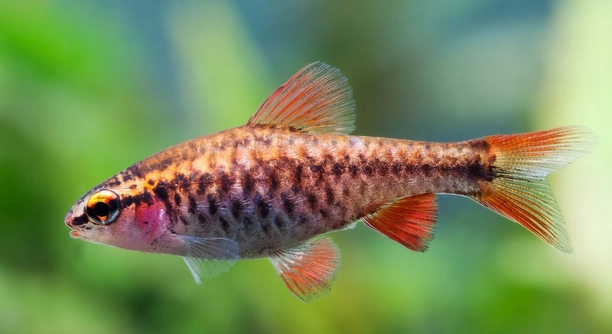
Cherry Barbs are small, vibrant fish often admired for their peaceful nature. They are a favorite for many aquarium enthusiasts. But can these fish develop special bonding patterns with one another? This article explores this fascinating question.
Yes, Cherry Barbs can form bonding patterns within their group, especially in environments where they feel secure and are allowed to interact with one another. Social behavior among these fish can include subtle communication and group dynamics.
Understanding the bond between Cherry Barbs goes beyond their colors and movement. Observing their interactions can shed light on their social structures and help create a harmonious aquarium environment.
Social Behavior of Cherry Barbs
Cherry Barbs are not just a pretty addition to your tank. They have distinct social behaviors that can often go unnoticed. When kept in groups, they tend to form loose hierarchies. Some individuals show more dominant traits, while others are more passive. This isn’t a sign of aggression but a natural pattern. These fish enjoy the company of their own kind and are less likely to display stress when in groups. They prefer swimming in schools, which creates a calm and organized environment. It’s interesting to see how they interact, often following one another or communicating with subtle body movements. Understanding this behavior can help aquarium keepers maintain a peaceful setup.
Their interactions aren’t always about hierarchy. They can show signs of comfort and affection, even when not directly engaged with each other. Cherry Barbs will sometimes swim close to one another, signaling a level of trust within their school. This can often be mistaken for random movements but is rooted in their social needs.
Creating a tank with multiple Cherry Barbs allows you to witness their social dynamics firsthand. The more secure they feel, the more likely you’ll observe these bonding behaviors. This is especially true in a well-maintained tank where they have plenty of space to swim freely. Additionally, they often mimic each other’s actions, whether it’s feeding time or exploring new areas of the aquarium. Over time, this mimicry strengthens their social ties, further reinforcing the idea that they thrive in groups. Their peaceful demeanor is a direct result of these bonds, leading to a low-stress aquarium environment.
Bonding and Health Benefits
The social connections between Cherry Barbs are linked to their overall well-being. When these fish interact regularly, they tend to stay healthier and live longer. Having companions reduces stress, which in turn lowers the risk of illness. Without a group, Cherry Barbs may become more susceptible to disease or exhibit signs of anxiety, such as erratic swimming or hiding.
To ensure the best environment for Cherry Barbs, it’s important to provide them with a well-planted tank that offers plenty of hiding spots. These fish enjoy places to retreat when they need rest. A properly sized group of Cherry Barbs, combined with an ideal tank environment, encourages bonding and leads to a more harmonious tank. The sense of security they gain from socializing with each other can also enhance their color vibrancy. When kept in groups, they often display their brightest shades, which can be a sign of happiness and comfort within their environment.
Cherry Barbs and Tank Environment
The right tank environment plays a crucial role in helping Cherry Barbs form bonds. These fish feel more secure when their surroundings offer enough space to swim and hide. A planted tank provides a natural environment where they can interact with one another while avoiding unnecessary stress.
In their natural habitat, Cherry Barbs thrive in areas with plenty of plants, driftwood, and open swimming spaces. A similar setup in the tank allows them to explore and establish relationships. When there are plants or decorations, it gives them a chance to interact in a more relaxed, low-pressure environment. This also helps reduce territorial behavior, which can disrupt bonding.
In addition to plants, water quality is essential for Cherry Barbs. They prefer soft, slightly acidic water, similar to the conditions in their native streams. Maintaining the right temperature, between 72 and 79°F, encourages healthy interactions. When water parameters are stable, the fish are more likely to display their natural social behaviors, helping them bond more effectively with each other.
Signs of Bonding Behavior
Cherry Barbs have a few distinct behaviors that show they are bonding. These fish often swim in small schools, staying close to each other, which signifies trust. They also demonstrate a form of communication through their body language, including changes in posture and movement.
When a Cherry Barb forms a bond with others in its group, it may begin to follow the leader fish. This is a sign of social cohesion. They also engage in synchronized swimming, where they move together in the same direction. This behavior fosters a sense of security and reduces individual stress. Over time, these fish become more comfortable around one another, making their interactions more fluid and natural. Their peaceful nature makes them less likely to display aggressive behavior, especially in a well-maintained tank where bonding can flourish.
Ideal Group Size for Bonding
The ideal group size for Cherry Barbs is usually five or more. Smaller groups can lead to stress, as they may feel vulnerable without enough fish for security. Larger groups can create stronger social bonds, improving overall happiness and reducing anxiety.
Having at least five Cherry Barbs in a group lets each fish feel secure and allows them to develop healthy social patterns. This size also encourages interaction, as they become comfortable engaging with one another. Keeping fewer fish may disrupt their natural behavior and prevent them from forming strong social connections.
Water Conditions and Social Interaction
Water conditions are essential to Cherry Barbs’ well-being and their ability to bond. Stable parameters, such as soft water and a neutral to slightly acidic pH, promote better health and behavior. Keeping the temperature consistent between 72-79°F will also reduce stress and encourage social interaction.
Bonding During Breeding
Cherry Barbs tend to bond more closely during the breeding season. Males will display more vivid colors to attract females, and both genders engage in subtle courtship behaviors. During this time, the bond within the group can strengthen as the fish interact more frequently.
FAQ
Can Cherry Barbs live alone?
While Cherry Barbs can technically live alone, it’s not recommended. These fish are social creatures, and they thrive in groups. Keeping just one can lead to stress, anxiety, and even a shorter lifespan. A group of at least five is ideal, as it helps them feel secure and comfortable. They’ll engage more naturally with each other, leading to less aggression and more peaceful behavior.
How can I tell if my Cherry Barbs are bonding?
You’ll see bonding behaviors when your Cherry Barbs start swimming in sync, staying close to each other. If they’re forming a strong bond, they’ll frequently swim in a small group, follow one another, and even engage in gentle displays of courtship during breeding season. Watching them interact closely and consistently can be a sign that they are forming healthy social connections.
What is the best way to maintain a tank for Cherry Barbs?
To maintain a healthy tank for Cherry Barbs, focus on water quality and plenty of space for swimming. Keep the water soft and slightly acidic, with a temperature range of 72-79°F. Plants and hiding spots help create a natural environment where they can thrive. Regular water changes and monitoring ammonia and nitrite levels will prevent stress, keeping your Cherry Barbs happy and healthy.
Do Cherry Barbs have a preferred companion fish?
Cherry Barbs are peaceful and get along well with many other fish species, especially those that are not too aggressive. Suitable tank mates include other barbs, tetras, guppies, and smaller peaceful fish. Avoid aggressive species, as they can stress out your Cherry Barbs and disrupt their bonding behaviors.
Can Cherry Barbs be kept with other species in a community tank?
Yes, Cherry Barbs are great for community tanks. Since they are peaceful, they usually do well with other non-aggressive fish. Keep in mind, however, that you should avoid keeping them with overly aggressive or territorial species. As long as the fish share similar water conditions, they should coexist peacefully.
How often should I feed my Cherry Barbs?
Cherry Barbs should be fed two to three times per day. Offering a variety of foods like high-quality flakes, pellets, and occasional live or frozen food will keep them healthy. Make sure not to overfeed them, as uneaten food can pollute the water, leading to stress and poor water quality.
What is the lifespan of Cherry Barbs?
Cherry Barbs typically live for 3 to 5 years with proper care. Their lifespan can be extended by maintaining ideal water conditions, providing a balanced diet, and keeping them in groups where they can thrive socially. Stress from being alone or in poor water conditions can shorten their lifespan.
How do I encourage Cherry Barbs to breed?
To encourage Cherry Barbs to breed, create ideal water conditions, including a temperature of 75-79°F, slightly acidic water, and clean, soft water. During the breeding season, males will show brighter colors, and they may engage in displays to attract females. Ensure there are plenty of hiding places for the eggs to avoid predation by other fish in the tank.
Why are my Cherry Barbs not bonding well?
If your Cherry Barbs aren’t bonding well, it could be due to several factors. They might feel stressed from poor water quality, being kept in too small of a group, or a lack of hiding spots. It’s also possible that the tank is too crowded or they’re housed with aggressive species. Ensuring stable water conditions and a peaceful environment will encourage bonding.
Can Cherry Barbs live in different temperatures?
Cherry Barbs prefer a stable temperature between 72-79°F. While they can tolerate minor fluctuations, sudden changes in temperature can cause stress and weaken their immune system. A consistent, moderate temperature is essential for their well-being and social behaviors, including bonding with other Cherry Barbs.
Do Cherry Barbs get along with other types of Barbs?
Yes, Cherry Barbs generally get along with other types of Barbs, especially when kept in groups. They are not overly territorial and will usually coexist peacefully with their own kind and other Barbs. However, it’s important to note that some Barbs, like Tiger Barbs, can be more aggressive and might not be ideal tank mates for Cherry Barbs.
Are Cherry Barbs good for beginners?
Cherry Barbs are a great choice for beginners. They are relatively easy to care for, as long as the water conditions are kept stable. Their peaceful nature and social behavior make them enjoyable to observe. Just make sure to keep them in groups, provide the proper diet, and maintain the tank regularly.
What should I do if my Cherry Barbs are fighting?
Fighting among Cherry Barbs is rare but can happen if they feel stressed or crowded. Ensure that they have enough space and that the water quality is optimal. If fights persist, consider adjusting the tank setup by adding more hiding spots or adjusting the group size. In rare cases, removing any overly aggressive fish may be necessary.
Can Cherry Barbs survive without filtration?
While Cherry Barbs can technically survive without a filter, it’s not recommended. Filtration helps maintain water quality by removing harmful waste and ensuring oxygenation. Without proper filtration, harmful toxins can build up, which can stress the fish and harm their health. Regular water changes will be needed to compensate for the lack of filtration.
Final Thoughts
Cherry Barbs are charming and peaceful fish that make excellent additions to a community tank. They are social creatures that thrive in groups, so keeping them in small schools is essential for their well-being. The bonds they form within their group help reduce stress and promote healthier, more natural behaviors. By ensuring they have enough space, plants, and hiding spots, you can create an environment that supports these social interactions and encourages bonding.
In terms of care, Cherry Barbs are relatively easy to maintain, making them suitable for both beginners and experienced aquarium keepers. Maintaining stable water conditions, such as soft, slightly acidic water with a consistent temperature, is crucial for their health. Providing them with a balanced diet and a clean tank will also contribute to their overall happiness. When their environment is well-kept, Cherry Barbs will exhibit vibrant colors and peaceful behavior, creating an enjoyable aquarium display.
Overall, understanding the social nature of Cherry Barbs is key to keeping them healthy and happy. By keeping them in groups, providing suitable tank conditions, and ensuring they have space to interact with one another, you can help them form strong social bonds. With the right care, Cherry Barbs will flourish, adding beauty and tranquility to any aquarium.

Hello,
If you enjoy the content that we create, please consider saying a "Thank You!" by leaving a tip.
Every little bit helps us continue crafting quality advice that supports the health, happiness, and well-being of pets around the world, for pets of all shapes, sizes, and species.
We really appreciate the kindness and support that you show us!