
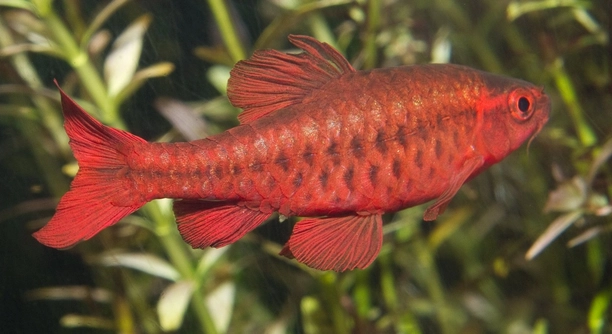
Cherry barbs are popular aquarium fish known for their vibrant colors and active nature. However, keeping them in an overcrowded tank can cause stress and health issues. Understanding how to identify overcrowding is important for their well-being.
Overcrowding occurs when there are too many cherry barbs in a tank, leading to limited space, increased waste, and higher stress levels. These factors can result in health problems, such as poor growth, weakened immune systems, and aggression.
Learning how to prevent overcrowding and ensuring your cherry barbs have a comfortable environment will help keep them healthy. In this article, we will look at signs that indicate your tank might be too crowded for these little swimmers.
Limited Swimming Space
Cherry barbs need room to swim freely, and if they don’t have it, they can become stressed. Overcrowding makes it hard for them to move around, leading to poor health. When there are too many fish in a tank, they end up fighting for space. This stress can weaken their immune systems, leaving them more vulnerable to disease. It can also stunt their growth and make them act aggressively toward one another. If you notice your cherry barbs spending most of their time hiding or not swimming as actively, overcrowding may be the cause. A spacious tank with proper water conditions is essential for their well-being.
Fish need space, but they also need to feel safe. Too many fish can prevent them from feeling comfortable. Proper tank size and stocking levels are key to creating a healthy environment.
If you want to keep your cherry barbs happy, you need to ensure they have enough space to swim. A tank that’s too crowded may lead to aggression and stress. It’s important to calculate the right number of fish per gallon and ensure your tank isn’t overstocked. When fish feel restricted, they may start showing signs of distress. You’ll notice changes in their behavior, like hiding or becoming less active. Overcrowding can also increase the amount of waste in the water, making it harder to maintain proper water quality. It’s essential to do regular water changes and monitor the tank’s condition. With enough space, cherry barbs can thrive and show off their full potential.
Poor Water Quality
When there are too many cherry barbs in one tank, the water quality tends to deteriorate quickly. More fish means more waste, which can cause toxins to build up. This results in higher ammonia and nitrite levels, both of which are harmful to fish. Poor water quality can lead to stress, infections, and even death if not managed properly. Regular water testing is a good way to monitor the health of your aquarium, and it’s crucial to maintain a proper filtration system to handle the waste. Overcrowding can overwhelm the filtration system, making it harder to keep the water clean.
It’s important to clean your tank regularly and keep an eye on water parameters. Keeping the water clean can help your fish avoid many health issues.
A healthy tank relies on good water quality. If you have too many fish, it will be much harder to keep the water clean. In addition to overloading the filtration system, overcrowding leads to faster accumulation of waste. This waste can cause an increase in harmful chemicals, like ammonia, which can burn the gills and skin of your fish. High toxin levels can be a major stress factor, leading to illness or even death. Overcrowded tanks may also experience higher levels of bacteria and algae, further deteriorating the water quality. This vicious cycle can be hard to break once it starts. Regular water changes, proper filtration, and careful monitoring of the number of fish in the tank can help keep water quality in check. Fish that live in clean water are less likely to get sick, so managing stocking levels is critical for long-term tank health.
Aggressive Behavior
Overcrowding can lead to aggression among cherry barbs. When there are too many fish in a tank, they become territorial. They may fight for space, food, or mates, especially in cramped conditions. Aggressive behavior can show up as chasing, nipping, or even fin damage. If aggression increases, the tank is likely too crowded. It’s important to address this issue quickly to prevent harm to your fish. Lowering the fish density and increasing hiding spots can help reduce aggressive interactions.
Aggression isn’t always obvious, but over time, it can seriously affect the health of your fish. Watch for signs of physical damage, such as torn fins or missing scales. These issues indicate that the tank may be overcrowded.
When cherry barbs feel crowded, they often display aggressive behaviors. Male barbs may fight for dominance, while females are sometimes bullied. The lack of space forces fish to interact in ways that aren’t typical of their natural behavior. If you notice any aggressive actions, like chasing or biting, it’s important to act quickly. Adding more hiding places or plants can give the fish more privacy, which can reduce conflict. Additionally, reducing the number of fish will lower the competition for space and food. Overcrowded tanks create a stressful environment for all fish involved, which can affect their health and behavior.
Decreased Oxygen Levels
More fish means more oxygen consumption. Overcrowding leads to a decrease in oxygen levels in the tank, as each fish uses up more oxygen. When oxygen levels drop, it can cause your cherry barbs to feel lethargic and struggle to breathe. You might see them swimming near the surface more often. If you notice this behavior, overcrowding could be a major factor. Ensuring good water circulation and aeration can help maintain oxygen levels, but controlling the number of fish is the most effective solution.
While filtration helps, it’s not a fix for overcrowding. Without enough oxygen, your fish won’t thrive. It’s vital to pay attention to your fish’s behavior for signs of oxygen deficiency.
When overcrowding affects oxygen levels, the entire tank becomes an uncomfortable environment for your cherry barbs. They may start gasping for air at the surface or moving sluggishly, especially during the day when the oxygen levels are at their lowest. In a well-balanced tank, fish swim actively and breathe normally, but overcrowding can change that. Oxygen is necessary for fish to stay healthy and active, and when it’s scarce, your barbs will show signs of distress. To avoid this, consider reducing the number of fish or adding a stronger filtration system. Also, increasing water movement or adding an air stone can help. However, if the tank remains overcrowded, these fixes may only temporarily improve the situation. Always monitor fish behavior and water conditions closely to prevent long-term harm.
Stunted Growth
Overcrowding can cause cherry barbs to grow slower than usual. With limited space and resources, they may not get the nutrients they need. As a result, their growth may be stunted, and they may stay smaller than they should. It’s crucial to make sure your tank isn’t too packed.
If you notice your cherry barbs aren’t growing as expected, overcrowding could be the reason. Check the number of fish in your tank and assess whether it’s too crowded for healthy growth.
Fish that live in crowded conditions often experience slow growth. When space and food are limited, fish don’t have the resources to reach their full size. In a well-maintained tank with the right stocking levels, cherry barbs grow at a healthy pace. However, overcrowding can prevent this, leading to smaller fish and possible health problems. If you’re concerned about your barbs not growing as expected, consider reducing the number of fish or upgrading to a larger tank. This will give the remaining barbs enough space and food to thrive.
Increased Risk of Disease
In overcrowded tanks, the risk of disease rises. With more fish and waste in the water, harmful bacteria can spread quickly. The stress caused by overcrowding also weakens the immune systems of cherry barbs, making them more vulnerable. Regular water changes and proper filtration can help reduce the risk, but the best solution is to avoid overcrowding altogether.
Excessive waste and poor water quality often lead to a higher risk of bacterial or fungal infections. Keeping fish in overcrowded conditions leaves them open to sickness.
Too many fish in a tank can stress out your cherry barbs and weaken their ability to fight off diseases. When overcrowded, their immune systems are compromised, making them more likely to get sick. Additionally, high levels of waste and poor water quality create an ideal environment for harmful bacteria and parasites to thrive. These factors combine to make the fish more susceptible to infections. By reducing the number of fish in the tank and maintaining proper water conditions, you can significantly lower the chances of disease. Regular cleaning, water testing, and monitoring fish health are crucial steps to protect your barbs.
FAQ
How many cherry barbs should be kept together?
Cherry barbs thrive in groups of at least six. A small group helps them feel safe and reduces stress. The number of fish you keep should depend on the size of your tank. For every inch of fish, you need about one gallon of water. This ensures they have enough space to swim and remain healthy.
What size tank is best for cherry barbs?
A minimum of a 20-gallon tank is recommended for a small group of cherry barbs. Larger tanks provide more space, better water quality, and less stress. The more fish you add, the larger the tank needs to be. For a group of cherry barbs, adding 10 gallons of water per additional fish is a good rule.
Can cherry barbs live with other fish?
Yes, cherry barbs are peaceful and can live with a variety of other non-aggressive fish. They do well with species like tetras, rasboras, and guppies. Just make sure not to overcrowd the tank. Providing hiding spots and ensuring the tank is not too crowded will help reduce any potential stress from mixing species.
What should I do if my cherry barbs are fighting?
If your cherry barbs are fighting, it’s a sign the tank is likely overcrowded or the fish feel stressed. Reducing the number of fish, adding more hiding spots, or rearranging tank decorations can help ease aggression. Make sure you’re also keeping up with water changes and filtration.
How can I tell if my cherry barbs are stressed?
Stress in cherry barbs can show through several signs. They may hide more than usual, swim erratically, or become less active. If their fins appear clamped, they may be feeling stressed. Stress can result from overcrowding, poor water quality, or aggression from other fish.
What should I feed my cherry barbs?
Cherry barbs are omnivores and should be fed a balanced diet of high-quality flakes or pellets. Occasionally, you can offer them live or frozen foods like brine shrimp or daphnia. Ensure the food you provide sinks, as cherry barbs often forage at the bottom of the tank.
How often should I change the water in my cherry barb tank?
For a healthy tank, water changes should be done regularly, ideally once a week. You should change around 25-30% of the water each time to ensure it stays clean. If the tank is overcrowded or if you have a large number of fish, you may need to change the water more frequently.
How can I improve the water quality for my cherry barbs?
Improving water quality can be done by maintaining proper filtration, doing regular water changes, and ensuring the tank is not overcrowded. Using a high-quality filter helps remove waste and toxins from the water. Testing the water for ammonia, nitrites, and nitrates is also important to ensure it stays within safe levels.
What temperature should the water be for cherry barbs?
Cherry barbs prefer water temperatures between 74°F and 79°F (23°C to 26°C). Keeping the water within this range will ensure your fish are comfortable and healthy. Be cautious of rapid temperature changes, as they can stress the fish and cause illness.
How can I tell if my cherry barbs are healthy?
Healthy cherry barbs will have vibrant colors, swim actively, and show no signs of injury or disease. They should be eating regularly and not hiding excessively. Healthy barbs have smooth, undamaged fins and should not be gasping for air at the surface. Regular water changes and monitoring their behavior are essential for maintaining their health.
Do cherry barbs breed easily in an aquarium?
Cherry barbs can breed in an aquarium if the conditions are right. To encourage breeding, provide them with a separate breeding tank with soft, acidic water and lots of plants for the eggs to attach to. After spawning, remove the parents to avoid them eating the eggs. The eggs will hatch within a few days, and the fry should be fed small, live foods like infusoria.
How do I prevent cherry barbs from becoming sick?
To prevent sickness, ensure your tank isn’t overcrowded, maintain good water quality, and feed a varied, nutritious diet. Avoid abrupt changes in temperature or water parameters. Regular water changes, a high-quality filter, and monitoring for signs of stress or disease will help keep your cherry barbs healthy.
What are common diseases cherry barbs can get?
Cherry barbs are susceptible to common freshwater diseases like ich, fin rot, and velvet disease. These are often caused by poor water quality, overcrowding, or stress. Keeping the tank clean, avoiding overfeeding, and ensuring proper filtration will reduce the risk of these diseases. If you notice signs of illness, such as white spots or faded color, isolate the sick fish immediately and treat the tank accordingly.
Can cherry barbs live in low-light conditions?
While cherry barbs don’t require bright lighting, they do need a natural day-night cycle. Low light can cause stress and may even disrupt their behavior. To keep them comfortable, aim for moderate lighting levels, and provide shaded areas with plants or decorations to create a more natural environment.
Why are my cherry barbs staying at the surface of the tank?
If your cherry barbs are staying at the surface, it could indicate a lack of oxygen in the water. This may be caused by overcrowding or insufficient water movement. Consider adding an air stone or improving filtration to increase oxygen levels. Regular water changes will also help address this issue.
What is the lifespan of a cherry barb?
Cherry barbs can live for about 3 to 5 years in a well-maintained tank. Their lifespan can be influenced by factors such as water quality, diet, and tank conditions. With proper care, these colorful fish can be a long-term companion in your aquarium.
Final Thoughts
Keeping cherry barbs in the right environment is crucial for their health and happiness. Overcrowding can lead to a variety of issues, from aggression and stunted growth to poor water quality and increased risk of disease. If you notice signs of overcrowding, such as more aggressive behavior or your fish becoming sluggish, it’s important to take action. Reducing the number of fish, upgrading your tank size, or improving water filtration can make a big difference. A healthy, well-maintained tank will ensure your cherry barbs remain active and colorful.
Cherry barbs are relatively easy to care for, but like all fish, they have specific needs. Maintaining a proper balance between the number of fish, the size of the tank, and water quality is essential for keeping your barbs happy. It’s important to consider not just the space they need to swim but also the resources they require, such as food and oxygen. Overcrowding leads to stress, which can weaken their immune systems, making them more susceptible to illness. By paying attention to their behavior and the condition of the tank, you can avoid these issues.
Ultimately, providing the right environment for your cherry barbs means giving them enough space, clean water, and a balanced diet. If you’re unsure about the condition of your tank, it’s always a good idea to test the water regularly and keep an eye on the number of fish you have. Cherry barbs can live a long, healthy life when they are given the care they need. Keeping overcrowding in check is just one part of ensuring they thrive. A little effort in maintaining a proper tank will go a long way in keeping your fish happy and healthy.

Hello,
If you enjoy the content that we create, please consider saying a "Thank You!" by leaving a tip.
Every little bit helps us continue crafting quality advice that supports the health, happiness, and well-being of pets around the world, for pets of all shapes, sizes, and species.
We really appreciate the kindness and support that you show us!