
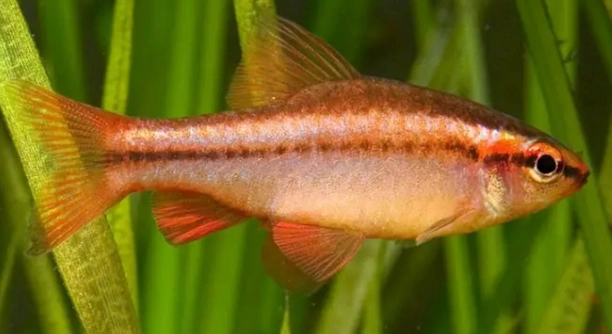
Are your Cherry Barbs acting slower than usual, barely swimming around their tank or losing interest in their surroundings?
Lethargy in Cherry Barbs is often caused by poor water quality, inadequate diet, temperature fluctuations, or illness. Addressing these factors promptly can help restore their activity levels and improve overall tank health.
Several small changes can make a big difference in how your Cherry Barbs behave, feel, and thrive in your care.
Check Water Parameters First
Cherry Barbs are sensitive to changes in water quality. If they seem slow or inactive, the first thing to check is the tank’s parameters. Use a reliable test kit to monitor ammonia, nitrite, nitrate, and pH levels. Ammonia and nitrite should always be at 0 ppm, and nitrates should stay under 20 ppm. A pH between 6.0 and 7.5 is ideal. Also, make sure the water temperature stays stable between 74°F and 80°F. Even small changes in temperature or chemical balance can stress your fish and cause them to act lethargic. Perform regular water changes—about 25% weekly—and clean the filter as recommended by the manufacturer. Dirty water affects oxygen levels and can make the fish feel sluggish. If you’ve recently added new decorations or changed substrate, that may also alter water chemistry. Always rinse new items thoroughly before adding them to the tank to avoid introducing unwanted substances.
If everything checks out but your fish are still inactive, retest the water daily for a few more days.
Sometimes, changes in water quality happen slowly and aren’t noticeable right away. Staying consistent with maintenance can help keep your fish healthy and alert over time.
Evaluate Feeding Habits
Feeding Cherry Barbs too much or too little can affect their energy levels. Overfeeding leads to waste buildup, while underfeeding can leave them weak.
Offer a mix of high-quality flakes, small pellets, and occasional frozen or live foods like brine shrimp or daphnia. Feed them once or twice a day, but only as much as they can eat in two minutes. Leftover food should be removed to keep the water clean. Variety helps ensure they get all the nutrients they need. Also, avoid feeding the same thing every day, as this can lead to nutritional gaps. If they’re not eating at all, it may be a sign of stress or illness. Observe how they react to feeding times. Active swimming and competition for food are good signs. Lethargy during feeding often means something deeper is going on, and adjusting their diet could be a simple yet effective step toward recovery.
Check for Temperature Fluctuations
Temperature swings, even minor ones, can affect your Cherry Barbs’ energy. Keep the aquarium in a room with steady temperature and away from windows, vents, or heaters that can cause changes throughout the day.
If your fish are sluggish, check the tank with a reliable thermometer several times daily. Fluctuations of just a few degrees can cause stress, especially at night. A heater with a built-in thermostat can help maintain consistency. It’s also good to have a backup thermometer just in case. If your tank light gives off heat, be sure it isn’t raising the water temperature too much during the day. Sudden water changes with mismatched temperatures can also shock the fish. Always match new water to the tank’s temperature before adding it in. Stable conditions help reduce stress and keep your Cherry Barbs active and healthy throughout the day.
Temperature problems often go unnoticed until fish begin acting differently. A digital thermometer makes it easier to catch changes early.
Observe Behavior and Tank Mates
Lethargy can also happen when Cherry Barbs feel bullied or threatened. Some fish are more aggressive, and this can leave others stressed or hiding most of the time.
Pay attention to how your Cherry Barbs behave around other fish. If they stay in corners, hide often, or avoid certain areas of the tank, they might be feeling unsafe. Sometimes, even fish of the same species can be too aggressive if the group size is too small. Cherry Barbs do best in groups of at least six, which spreads out any aggression and helps them feel secure. If you notice one or two fish constantly chasing the others, it may be worth rehoming the aggressors or rearranging the tank layout to give hiding spaces. Tall plants, caves, or driftwood can provide comfort and protection. A peaceful environment helps reduce stress and keeps your Cherry Barbs more active.
Look for Signs of Illness
Lethargy can be one of the first signs your Cherry Barb isn’t feeling well. Watch for other symptoms like clamped fins, faded color, bloating, or white spots on the body or fins.
Quarantine any sick-looking fish if possible. Treat with appropriate medication based on visible symptoms and always follow dosage directions carefully.
Consider the Tank Environment
A plain or overly bright tank can stress Cherry Barbs. They feel safer with plants, shaded areas, and places to explore. Lack of hiding spots can make them anxious and less active. Use soft lighting and natural decorations to make the space more relaxing.
Review Recent Changes
Changes like new fish, rearranged décor, or different water conditioners can make Cherry Barbs uneasy. Give them time to adjust and watch for improvement over the next few days.
FAQ
Why are my Cherry Barbs hiding all the time?
Cherry Barbs usually hide when they’re stressed, sick, or feel unsafe. If the tank lacks enough plants or hiding spots, they’ll seek shelter wherever they can. Bright lights or too much activity around the tank can also make them uncomfortable. Another reason might be bullying from other fish. Check if any tank mates are chasing or nipping at them. Cherry Barbs also do better in groups of six or more, so if you only have a few, they may feel insecure. Creating a calm, well-planted space often helps them feel more confident and active.
Can Cherry Barbs recover from lethargy?
Yes, Cherry Barbs can bounce back with the right care. The key is to find the cause early and act quickly. Poor water quality, low oxygen, or poor diet are common triggers that can be fixed with regular maintenance and feeding adjustments. If illness is the cause, the right treatment usually helps them recover. Providing a clean, stable tank environment and watching them closely each day gives them the best chance. Recovery may take a few days to a week, depending on the issue. Be patient and keep conditions stable during this time.
What kind of tank mates should I avoid?
Avoid housing Cherry Barbs with aggressive or fin-nipping fish. Species like tiger barbs, cichlids, or larger, more dominant fish can intimidate or injure them. This causes stress and may lead to hiding or sluggish behavior. Also avoid very active fish that dart around constantly, as this can overwhelm them. Instead, choose peaceful community fish like rasboras, guppies, or Corydoras. Even among peaceful species, make sure the tank isn’t overcrowded, as too many fish can increase stress levels and lead to poor water quality, both of which impact your Cherry Barbs’ activity and health.
How can I tell if my Cherry Barbs are eating enough?
Healthy Cherry Barbs are quick to respond during feeding. If they ignore food or eat very little, it could mean they’re stressed or not feeling well. A good rule is to feed small amounts they can finish in under two minutes. Watch each fish to make sure all are getting a chance to eat—dominant ones may push others away. If you notice leftover food often, try feeding smaller portions. You can also rotate food types to keep them interested. If appetite doesn’t improve, check for water issues or early signs of illness.
What temperature is best for Cherry Barbs?
Keep the water temperature between 74°F and 80°F (23°C to 27°C). These fish come from warm, slow-moving streams and prefer steady, moderate warmth. If the water is too cold, they become sluggish. Too hot, and oxygen levels can drop, also leading to lethargy. Use a reliable heater with a thermostat and check the temperature daily. Avoid placing the tank near windows, heaters, or air vents, as these spots can cause temperature swings. A stable environment helps your Cherry Barbs stay active and healthy throughout the day.
Do Cherry Barbs get bored in a tank?
Yes, they can show signs of boredom, especially in plain or small tanks with little stimulation. They enjoy swimming through plants, exploring hiding places, and socializing in groups. Without enough to do, they might appear sluggish or inactive. Try adding live plants, natural decorations, or even gentle water flow to create some variety in their environment. Changing the layout every few weeks (without stressing them) can also help keep their interest. Always make changes gradually and keep the space calm to avoid adding stress.
How do I know if it’s stress or sickness?
Stress and sickness often look similar at first, with signs like hiding, pale color, or slow movement. The difference usually comes down to time and extra symptoms. Stress tends to improve once the environment is fixed—like adding plants or reducing aggression. Illness might come with visible changes like spots, swelling, or labored breathing. A stressed fish may perk up within a day or two. A sick one often gets worse without treatment. Always start by testing the water and observing behavior closely before treating with medication.
Final Thoughts
Caring for Cherry Barbs can feel a little tricky when they start acting differently, especially when they seem slow or less active than usual. But in most cases, there’s a clear reason behind the change. Things like water quality, temperature, stress, diet, or even small changes in their environment can all affect their behavior. The good news is that Cherry Barbs are fairly hardy fish, and with careful attention, they often bounce back once the issue is addressed. Keeping a regular routine, doing water tests, and feeding them the right amount can make a big difference in how they feel and act in the tank.
It’s also helpful to observe your Cherry Barbs daily, even if just for a few minutes. Watching how they swim, interact, and respond to food can help you spot early changes before they turn into bigger problems. If they seem to be hiding more, skipping meals, or staying in one spot, it’s often a sign that something needs adjusting. While not every situation needs medication or major changes, it’s always better to respond sooner than later. A small adjustment, like improving water flow or adding more plants, can bring noticeable improvements in their behavior and overall health.
Creating a peaceful and stable tank is the best long-term solution. Cherry Barbs enjoy being in groups and like having places to swim, hide, and rest. A quiet, comfortable environment lowers their stress levels and keeps them more active. Adding variety in food, keeping the tank clean, and avoiding sudden changes can help them stay healthy over time. When they feel secure, Cherry Barbs are bright, playful fish that bring energy to any aquarium. With a little effort and regular care, they’ll continue to thrive and stay active in their home. Whether you’re new to keeping fish or have done it for years, giving attention to the basics is always a smart and helpful step.

Hello,
If you enjoy the content that we create, please consider saying a "Thank You!" by leaving a tip.
Every little bit helps us continue crafting quality advice that supports the health, happiness, and well-being of pets around the world, for pets of all shapes, sizes, and species.
We really appreciate the kindness and support that you show us!