
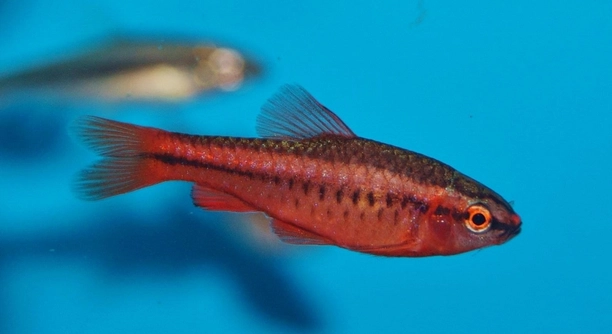
Cherry Barbs are popular fish for aquariums, known for their vibrant colors and active behavior. Many aquarium owners wonder if it’s possible to train these small fish to approach for food. In this article, we explore that idea.
Yes, it is possible to train Cherry Barbs to come for food. By establishing a consistent feeding routine and using positive reinforcement, you can encourage them to associate your presence with feeding time. This can take patience and consistency.
With a bit of effort, you can build a strong bond with your Cherry Barbs and make feeding time more interactive. Keep reading to find out how you can train them to respond to your feeding cues.
Why Cherry Barbs Respond to Feeding Time
Cherry Barbs are social fish that can recognize patterns, especially when it comes to food. They are not the type of fish that will actively seek out interaction, but they are observant and can learn routines. When you feed them at the same time every day, they begin to associate your presence with food. Over time, they may swim toward you, expecting a meal.
It is important to note that this behavior is not immediate. It requires a consistent approach. Cherry Barbs tend to be skittish and may not show interest right away. However, with time, they will start to associate your movements with feeding.
Once you establish a routine, you can enhance their response by giving them the same type of food regularly. This helps reinforce the idea that you are the source of food. A predictable feeding schedule is key for this to work efficiently.
How to Create a Feeding Routine
Creating a feeding routine for your Cherry Barbs involves feeding them at the same time every day. This regularity will help them learn when to expect food. Be patient; the more consistent you are, the better they will catch on.
Cherry Barbs are naturally curious and will observe your actions. At first, they might swim around nervously or ignore you altogether. However, as days go by, they will begin to approach the feeding area when you arrive. This is their way of signaling that they recognize your feeding cues. A predictable feeding schedule is not just for training purposes; it’s essential for maintaining their health. Regular feeding will keep them strong and active, and it will help you build a positive interaction with them. As they learn, you’ll notice them swimming towards the spot where you feed them, often faster each time.
Using Positive Reinforcement for Training
Positive reinforcement works well when training Cherry Barbs. By rewarding them with food when they approach, you are encouraging this behavior. Gradually, they will start associating your presence with the positive outcome of getting food.
Start by feeding them regularly at the same time and using the same motion, such as tapping on the glass or using a specific hand gesture. This will help them connect the action with the reward. Cherry Barbs are sensitive to movements, so it’s important to keep the process calm and consistent. With enough repetition, they’ll swim toward you more eagerly as soon as they notice the signals.
Using the same food type helps them make the connection between you and feeding time. Over time, they will start to recognize you as the source of their meals, leading them to come toward you even without food in hand.
Challenges to Expect During Training
Training Cherry Barbs can take time, especially when it comes to overcoming their natural hesitation. They are not as bold as some other fish species, so they may take a while to get used to your feeding routine. During the training process, you may notice them hiding or staying away initially.
It’s important not to rush the process or become discouraged. Some fish may take longer to adjust, and their response may vary based on their personality. Not all Cherry Barbs will react the same way, so be patient and give them time. Keep your movements gentle and avoid startling them. Consistency and patience are key.
If your Cherry Barbs continue to seem uninterested after several weeks, try adjusting the feeding environment. Ensure the tank is calm and free of stressors that could distract them from the training.
Tank Environment for Training
The environment plays a crucial role in training Cherry Barbs. A calm, clean tank with proper filtration will help reduce stress and make them feel safe. When they are comfortable, they are more likely to interact with you.
A cluttered or overcrowded tank can make them feel nervous. Ensure that there are plenty of hiding spots, but also open spaces for them to swim freely. The less stress they experience, the more focused they will be on food and learning your feeding cues.
The Role of Tankmates
Tankmates can influence the training process. If you have other fish, such as aggressive species, they may interfere with the Cherry Barbs’ ability to focus on food. In a peaceful tank, Cherry Barbs are more likely to engage with you during feeding time.
Make sure the other fish are not intimidating or competing aggressively for food. This will give the Cherry Barbs a better chance to approach you without fear. A calm community of fish will help foster a better environment for training.
FAQ
Can Cherry Barbs be trained to come for food quickly?
Training Cherry Barbs to come for food doesn’t happen overnight. They are naturally shy and need time to adjust to new routines. The process can take several weeks, depending on the individual fish. With patience and consistent feeding schedules, they will gradually start associating your presence with food. Don’t rush them—continue reinforcing positive behavior, and they will respond when they feel comfortable.
What type of food is best for training Cherry Barbs?
Cherry Barbs respond well to flake food, pellets, and occasional live foods like brine shrimp. The key is consistency—using the same type of food each time will help them associate you with the reward. It’s also a good idea to feed them small portions to avoid overfeeding, which could lead to health problems. The more they enjoy the food, the quicker they’ll come to expect it.
How long does it take for Cherry Barbs to learn the feeding routine?
It can take anywhere from a few days to several weeks for Cherry Barbs to pick up the feeding routine. The process depends on the fish’s personality and how consistent you are with feeding. Keep in mind that some may take longer than others, but most will eventually learn the association if you remain patient and consistent.
Do Cherry Barbs need special care while being trained?
While training Cherry Barbs, it’s essential to ensure their overall tank conditions are optimal. A stress-free environment helps them focus on food and learning cues. Maintain good water quality, a balanced diet, and a stable temperature. Avoid overfeeding and keep the tank free of unnecessary disturbances. A calm, healthy fish is more likely to respond to training.
Is it necessary to train Cherry Barbs to come for food?
Training is not essential for Cherry Barbs, but it can be a fun way to interact with them and make feeding time more enjoyable. It also helps build trust between you and the fish. If your goal is to improve their health and activity levels, having them approach for food can create a positive routine that benefits both you and the fish.
Can I train my Cherry Barbs to do tricks or other behaviors?
While Cherry Barbs are not as easily trained as some other species, they can learn simple associations like coming for food. However, they are not particularly inclined to perform tricks. If you enjoy watching their behavior, focus on reinforcing their feeding routine, which can provide some level of interaction without overwhelming them.
What if my Cherry Barbs aren’t responding to the training?
If your Cherry Barbs aren’t responding after several weeks, it may be due to several factors. Stress, water quality, and even their personality can affect their willingness to learn. Ensure the tank environment is peaceful, and try adjusting the feeding routine slightly. Some fish simply take longer to adapt, so keep being consistent and patient.
Can Cherry Barbs be trained to eat from my hand?
Yes, with enough time and trust, Cherry Barbs can learn to eat from your hand. Start by offering food near your hand in the water, then gradually move closer. The fish will eventually associate your hand with food and may swim directly to it. Be gentle and avoid sudden movements that could scare them away.
Will my Cherry Barbs still come for food if I stop training them?
Once your Cherry Barbs have learned the feeding routine, they may still approach you when they see you near the tank, especially if you’ve established a strong connection. However, they might not come as eagerly if you stop feeding them at the same time or using the same cues. Consistency helps maintain their behavior.
Is it okay to use treats during training?
Treats can be a useful tool to motivate Cherry Barbs, but it’s essential to use them sparingly. Occasional live foods like brine shrimp or daphnia can be exciting for them and reinforce the behavior. However, don’t overuse treats, as it can disrupt their regular diet. Stick to a balanced routine to keep them healthy.
How do I know if my Cherry Barbs are stressed during training?
Signs of stress in Cherry Barbs include erratic swimming, hiding frequently, or showing darkened coloration. If they seem overwhelmed, scale back the training process. Ensure they have plenty of hiding spots and that the tank environment is calm. Stress can hinder their ability to focus on learning, so it’s vital to keep their living space comfortable.
Final Thoughts
Training Cherry Barbs to come for food is a simple but rewarding process that can enhance your bond with these colorful fish. The key to success lies in patience, consistency, and creating a calm environment for them. By feeding them at the same time each day and using the same cues, you can help them recognize your presence as a signal for food. With time, they will learn to approach you when they see you near the tank, expecting a meal. This interaction can make feeding time more enjoyable for both you and the fish.
However, it’s important to remember that not all Cherry Barbs will respond the same way. Some fish may take longer to catch on, and some may never fully warm up to the idea of coming to you for food. The training process depends on several factors, including the fish’s personality, the consistency of your approach, and the overall health and environment of the tank. If one of your Cherry Barbs seems hesitant, don’t be discouraged. It might take more time or slight adjustments to the feeding routine. Each fish is different, so it’s crucial to go at their pace.
In the end, whether or not your Cherry Barbs come to you for food, the process can be enjoyable and provide a great way to interact with them. It’s a small effort that can lead to a better understanding of their behavior and a more positive experience for both you and your fish. Keep the routine consistent, be patient, and enjoy the journey of building trust with your aquatic friends. The process itself can be just as fulfilling as the result.

Hello,
If you enjoy the content that we create, please consider saying a "Thank You!" by leaving a tip.
Every little bit helps us continue crafting quality advice that supports the health, happiness, and well-being of pets around the world, for pets of all shapes, sizes, and species.
We really appreciate the kindness and support that you show us!