
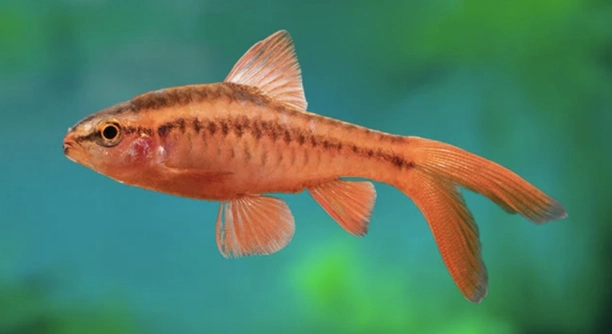
Cherry barbs are small, active fish known for their vibrant colors and interesting behaviors. If you keep them in a tank, it’s helpful to know what to expect during mating. Understanding their behaviors can give insight into their breeding patterns.
During cherry barb mating, watch for behaviors such as chasing, color changes, and nesting. The male will often display brighter colors to attract a female. He will chase her around, trying to court her, which may result in her selecting him.
Knowing what to look for ensures you can monitor their health and make any necessary adjustments to their environment. This article will guide you through the key behaviors during cherry barb mating.
Chasing and Courtship Displays
When cherry barbs begin mating, the males will chase the females around the tank. This behavior is a clear sign of courtship. The male swims rapidly behind the female, often darting back and forth to catch her attention. He may exhibit bright colors to signal his fitness and readiness to mate. The female typically slows down during this chase, allowing the male to approach.
While chasing, the male is essentially trying to show his vigor. The brighter his colors, the more attractive he becomes. If the female feels comfortable, she may stop swimming, signaling her readiness for mating. The chase, however, can sometimes get intense, with the male becoming persistent. It’s important to ensure that the tank has enough space so the female can escape if she needs to.
Males will often chase females for extended periods, especially if there is a lack of other distractions in the tank. This behavior can cause stress if not managed properly. Keeping a balanced male-to-female ratio can help avoid excessive chasing and allow the female to settle down.
Bright Color Changes
Male cherry barbs will show intense color changes to attract females. These color shifts are not just for show—they are signals that the male is ready to mate.
During the courtship, the male’s body becomes vibrant, displaying deeper reds or orange hues. The brighter his colors, the more likely the female is to notice him and select him as a mate. The change in color helps the female assess the male’s health and suitability. These color changes often coincide with the chasing behavior, further indicating the male’s intention to court.
The color intensity is often influenced by the male’s environment, diet, and health. A healthy, well-fed male will show a brighter display, making him more appealing to potential mates. Keep in mind, however, that overly stressed males may not display their best colors, which can affect their chances of mating.
Nesting Behavior
Cherry barbs may begin creating small nests during mating season. The male prepares the nest by gathering plants or debris to form a small structure. He will often use this space to guide the female into a suitable area for laying eggs. This behavior is common in many fish species, as it provides a secure location for fertilization.
Once the nest is ready, the male will chase the female toward it. She will then release her eggs, and he will fertilize them immediately after. The male will typically guard the nest until the eggs hatch, ensuring the environment is safe. The presence of plants in the tank can encourage this behavior, providing the necessary cover for egg laying.
The male’s protective nature becomes more evident as he tries to keep other fish away from the nest. While the female lays eggs, he may display aggressive tendencies toward tank mates. It’s essential to monitor the tank during this time to avoid unnecessary stress for all fish.
Aggressive Behavior Toward Other Fish
During the mating process, male cherry barbs can become territorial. They may act aggressively toward other males or even tank mates. This aggression is usually a way to ensure that the female stays with him and the nest remains undisturbed.
The male will often chase away any potential rivals, swimming in rapid bursts to assert his dominance. If there are other males in the tank, they may engage in brief displays of aggression, where they puff up and flare their fins. This is normal behavior and shows the male’s attempt to secure the female’s attention.
It’s important to keep a balanced male-to-female ratio in the tank. Too many males can increase the level of aggression, which might stress out the females. It’s also crucial to provide hiding spots so fish can escape from potential conflicts. Keeping the environment calm helps reduce stress, making the entire mating process smoother.
Egg-Laying Behavior
When the female cherry barb is ready, she will release her eggs into the nest prepared by the male. This process is usually quick and can happen multiple times during mating. The female will scatter her eggs among the plants or debris in the nest.
The male immediately fertilizes the eggs as they are laid. This ensures that the eggs are fertilized before they have a chance to sink too far. Afterward, both the male and female may leave the area, allowing the eggs to develop. The eggs will hatch in a few days under the right conditions.
It’s important to note that not all eggs will be fertilized. Some may float away, but the male’s primary goal is to ensure that enough eggs remain in the nest for a successful hatch. The success of this behavior depends on water conditions and tank environment.
Male Guarding the Eggs
Once fertilization occurs, the male cherry barb takes on the responsibility of guarding the eggs. He will actively patrol the area, making sure no other fish approach the nest.
The male can become very protective during this time. He may show aggression toward any intruders, including other fish. This behavior is meant to ensure the survival of the eggs and protect the developing fry. The male is constantly alert, swimming around the nest, sometimes flaring his fins or making rapid movements to keep threats away.
Fry Hatching and Early Development
After a few days, the eggs will hatch into tiny fry. These newborn cherry barbs will remain in the nest initially, staying close to the male for protection. The fry are very small and vulnerable during their early stages. They rely on the safety of the nest to avoid being eaten by tank mates.
The male continues to guard them until they are large enough to swim freely. During this time, the fry begin to absorb their yolk sac and gradually learn to search for food. The tank environment should provide small, nutritious foods like baby brine shrimp or crushed flakes to help the fry grow.
FAQ
Why are my cherry barbs not mating?
If your cherry barbs are not mating, it could be due to several factors. Water temperature plays a major role in triggering breeding behavior. Cherry barbs generally breed best at temperatures between 75-80°F (24-27°C). If the water is too cold or too hot, they may not feel comfortable enough to mate. The male may also not be displaying the right courtship behaviors if he feels stressed or threatened. Additionally, an imbalanced male-to-female ratio can result in competition, causing the female to avoid mating. Make sure the tank is adequately sized, and that there are plenty of hiding spots for the females. Ensuring good water quality and a varied diet is also crucial for promoting healthy breeding.
How can I encourage my cherry barbs to mate?
To encourage cherry barbs to mate, first, make sure the tank conditions are ideal. Ensure the water is at the right temperature, around 75-80°F, and maintain proper water quality with regular water changes. You can also introduce more plants or decorations to mimic their natural environment, giving them places to build nests and feel safe. Feeding them high-quality, varied foods, like live or frozen brine shrimp, can also help improve their overall health and readiness for breeding. It’s important to have a good male-to-female ratio—about one male for every two or three females—to reduce competition among the males.
How long does it take for cherry barb eggs to hatch?
Cherry barb eggs typically hatch in about 2-3 days, depending on the water temperature. Warmer water can speed up the hatching process, while cooler water may slow it down. After the eggs hatch, the fry will remain in the nest area for a few days. During this time, the fry will absorb their yolk sacs before becoming free-swimming and starting to look for food. It’s essential to maintain stable water conditions and provide small, appropriate foods for the fry once they begin swimming around. Avoid disturbing the nest during this time to help the fry develop without stress.
Do I need to separate the male and female cherry barbs after mating?
It’s not always necessary to separate the male and female cherry barbs after mating. Typically, the male will guard the eggs until they hatch. However, once the fry are free-swimming and able to fend for themselves, you can remove the adults if you don’t want them to eat the fry. If the male is too aggressive toward the females after mating, it may be a good idea to separate them for a short period to give the female a break. Make sure to monitor the fry closely and ensure that the adults are not disturbing them during their early stages of development.
What should I feed my cherry barb fry?
Cherry barb fry require tiny, nutritious food in the first few weeks of life. You can start by offering freshly hatched brine shrimp, which are small enough for the fry to eat. Microworms and infusoria (tiny organisms that grow in tank water) are also excellent choices. As the fry grow, you can gradually introduce finely crushed flake food or powdered pellets. It’s important to feed them several times a day in small amounts, as they need frequent meals to grow strong and healthy. Keep the water clean by removing any uneaten food to prevent water contamination.
How can I tell if my cherry barbs are ready to mate?
The best indicator that your cherry barbs are ready to mate is when you observe specific behaviors. The male will display brighter, more vibrant colors, particularly around his fins and body, to attract a female. He may begin chasing the female around the tank, trying to court her. The female may become rounder in appearance as her eggs develop, and she may start to swim slower. Additionally, the male may build a small nest using plants or tank decorations. When you notice these behaviors, it’s a good sign that they are preparing to mate.
Do cherry barbs need a breeding tank?
While not strictly necessary, a breeding tank can increase the likelihood of successful mating and egg survival. A breeding tank can provide a controlled environment where you can manage water conditions more easily and reduce stress from other tank mates. It should include soft, densely planted areas for the female to lay her eggs and for the male to build a nest. If you decide not to use a separate breeding tank, ensure your main tank has plenty of hiding spaces, such as plants or decorations, where the female can feel safe and the fry can hide once they are born.
Why do my cherry barb eggs not hatch?
If your cherry barb eggs are not hatching, it could be due to a few factors. One common reason is water temperature. If the water is too cold, it can slow down or prevent egg development. Cherry barbs need a water temperature of 75-80°F (24-27°C) for optimal hatching. Another reason could be poor fertilization. If the male was not able to fertilize all the eggs, some may not hatch. Poor water quality, such as high ammonia or nitrite levels, can also cause the eggs to fail to hatch. Lastly, the eggs may not have been fertilized properly if they were not laid in a safe, clean environment.
Final Thoughts
Mating and breeding cherry barbs can be a rewarding experience for aquarium enthusiasts. Understanding their behaviors, such as chasing, color changes, and nesting, allows you to better appreciate their natural instincts. These small, active fish go through several stages during mating, from courtship displays to egg fertilization and fry hatching. By observing these behaviors closely, you can ensure that the tank conditions are right for successful breeding and that the fish are healthy throughout the process.
It’s important to create a stable environment for cherry barbs to thrive. This includes maintaining proper water temperature, quality, and providing hiding spots for both the adults and the fry. Ensuring the right balance of males and females in the tank also helps reduce stress and aggression. If you notice that your cherry barbs are not mating, it could be due to stress, an improper tank setup, or poor health. By adjusting the conditions and giving them the right environment, you can improve the chances of successful mating.
Lastly, remember that breeding cherry barbs can take time and patience. Not all eggs will hatch, and some fry may not survive. This is part of the natural process. However, with proper care and attention, you can enjoy watching your fish grow from tiny eggs to full-grown adults. Ensuring a healthy tank environment will help your cherry barbs thrive long-term, making the entire breeding experience more enjoyable and fulfilling.

Hello,
If you enjoy the content that we create, please consider saying a "Thank You!" by leaving a tip.
Every little bit helps us continue crafting quality advice that supports the health, happiness, and well-being of pets around the world, for pets of all shapes, sizes, and species.
We really appreciate the kindness and support that you show us!