
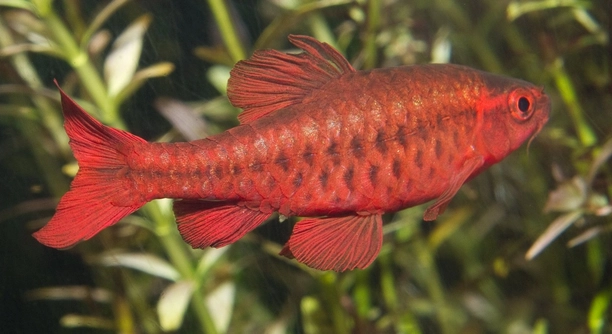
Do your cherry barbs ever seem more aware of their surroundings after spending time in the same environment or with familiar tank mates?
Cherry barbs are capable of developing memory over time through repeated exposure to stimuli, environmental consistency, and social interactions. Studies show they can learn feeding routines and recognize specific tank features or patterns of behavior.
Understanding how memory functions in small freshwater fish can help you create a more enriching and consistent habitat for your cherry barbs.
Understanding Memory in Cherry Barbs
Cherry barbs are small, peaceful fish known for their striking colors and active behavior. Though they may not seem like the type to remember much, research suggests they are capable of basic memory functions. In aquariums, they can learn feeding times, recognize the person who regularly feeds them, and even show patterns of interaction that hint at social familiarity. These behaviors are reinforced over time through repetition and environmental stability. When their surroundings remain unchanged, cherry barbs form associations that help them adapt. While their memory isn’t as complex as larger animals, it is clear they respond to experience and routine.
This makes consistency in their tank setup and daily care important for their well-being.
Repetition helps cherry barbs remember feeding locations, safe spaces, and social dynamics. Their learning ability may not be advanced, but it is present and useful for basic interactions and comfort within their environment.
How Memory Affects Their Behavior
Memory plays a small but meaningful role in the behavior of cherry barbs. It helps them navigate their space, anticipate feeding, and form peaceful interactions with tank mates.
In group settings, cherry barbs often behave more calmly when kept with the same fish over time. This familiarity is believed to lower stress and reduce conflict. In contrast, introducing new fish can create temporary disruption as the barbs reassess their surroundings and social order. Additionally, cherry barbs quickly learn routines such as when and where food is given. They may start gathering at the feeding area shortly before feeding time. Their response to human presence also shifts with memory. If handled gently and regularly, they become less fearful and more curious. Even changes in water flow or decor can be remembered for a short time, especially if associated with strong stimuli like feeding or sudden movement. While they may not retain complex memories, cherry barbs clearly show behavioral signs influenced by repeated exposure and stable conditions.
Building Memory Through Routine
Cherry barbs react well to consistent care. Feeding them at the same time each day and keeping their tank environment stable helps reinforce memory and lower stress. Routine strengthens their recognition of patterns in both space and interaction.
Repetition encourages memory in fish. By feeding cherry barbs in the same corner and maintaining a steady light schedule, they begin to associate specific times and places with food and comfort. This kind of predictable structure allows them to recognize daily events, like the sound of a lid opening or a shadow passing by. Even small cues become part of their expected routine. When changes happen suddenly, it can disrupt their behavior and make them more timid or aggressive. This shows how much they rely on memory to feel secure in their space. Their ability to remember may be limited, but routine makes their life more stable and calm.
Visual markers in the tank can also help cherry barbs form associations. Brightly colored plants or decorations placed near feeding spots can become cues over time. These signals give the fish reference points that help guide their behavior. Memory tied to specific landmarks or patterns of movement allows them to navigate their tank more confidently. With enough repetition, these cues become reliable parts of their learned behavior.
Environmental Enrichment and Learning
Stimulating the environment is another way to help cherry barbs exercise and build memory. Adding new features slowly, such as plants or tunnels, encourages exploration without overwhelming them. It’s best to change things gradually so they have time to adjust.
Tank changes should be small and introduced one at a time. Moving decorations or adjusting the water flow slightly gives cherry barbs new things to explore while keeping most of their environment familiar. This balance is key—too much change can cause stress, but small updates help keep their minds active. You might notice them exploring new areas more after changes, especially if those areas include shelter or food sources. This shows that cherry barbs can adapt and learn. Even though their memory is short-term, repeated exposure to similar changes builds confidence. A calm, enriched environment supports both their behavior and health. Their learning is simple but still valuable when cared for thoughtfully.
Social Interaction and Recognition
Cherry barbs tend to be more relaxed when kept in stable groups. Familiar faces lower tension, helping them recognize social patterns. This improves their interactions and creates a calmer environment with fewer sudden shifts in behavior.
They also seem to remember other fish in the tank. Changes in group dynamics can lead to temporary stress, but they typically adjust quickly. Repeated interaction helps them identify group members and respond accordingly, which can be seen in their synchronized swimming and lack of aggression when kept with familiar tank mates.
Signs of Learned Behavior
Cherry barbs often swim to the surface or toward a specific corner when it’s close to feeding time. This suggests they’ve linked certain actions or times with the reward of food. Repeated exposure reinforces these responses. They also learn to associate sound or movement—like a tapping lid or light turning on—with feeding or attention. If conditions stay consistent, these small patterns become part of their daily routine. These behaviors show how even simple memories help them feel more at ease and confident in their space. Over time, they display more predictable habits that reflect this learned behavior.
Conclusion About Their Capabilities
While their memory is basic, cherry barbs clearly benefit from consistency, gentle care, and slow changes. These conditions support learning and improve daily behavior.
FAQ
Can cherry barbs remember their owners?
Cherry barbs can learn to recognize their owner over time. They may not remember individual humans the way mammals do, but they can form associations with consistent actions, like feeding. When you approach the tank regularly at feeding time, they may start to swim toward you in anticipation, showing a level of recognition. This type of memory isn’t complex, but it’s enough to help them associate you with a routine. If you’re the one who consistently feeds them, they will likely be more comfortable and less fearful of your presence.
How long do cherry barbs retain memories?
The memory span of cherry barbs is relatively short. They may remember simple associations, like feeding times or the layout of their tank, for a few days to a week. However, once changes occur in their environment, they may need time to adjust. Unlike humans or more complex animals, their memory doesn’t last long for individual events. This means that while they can learn, they can also forget quickly if a routine is altered or if a new fish is introduced.
Do cherry barbs learn from their environment?
Yes, cherry barbs are able to learn from their environment, but the process is gradual. They will start associating certain features in the tank, like specific plants or objects, with food or shelter. If the environment remains consistent, they will learn to navigate it confidently. However, sudden changes can disrupt this process, causing temporary stress as they adjust. It’s important to make any alterations slowly to allow them to adapt. This learning is basic but essential for their overall well-being, especially in a stable tank setup.
Can cherry barbs form bonds with other fish?
Cherry barbs tend to form bonds with other fish, particularly those they have lived with for an extended period. They are social animals and thrive in groups where they can interact without feeling threatened. These bonds are generally based on familiarity and routine. They recognize tank mates and tend to act more calmly when surrounded by familiar faces. Introducing new fish can cause stress as the barbs adjust to the new social dynamics. Over time, however, they learn to coexist peacefully with new group members.
How can I help my cherry barbs build memory?
Helping cherry barbs build memory starts with establishing a routine. Regular feeding at the same time each day, maintaining a consistent tank environment, and limiting sudden changes will help them form simple associations. You can also use visual cues, like distinct objects or plants, to create reference points. This can help them remember feeding spots and other important areas in their tank. Gradually changing the tank layout or adding new decorations can also stimulate learning, but changes should be made slowly to avoid overwhelming them. Positive reinforcement through routine is key.
Do cherry barbs recognize their tank mates?
Yes, cherry barbs can recognize their tank mates. They are social fish and develop familiarity with the other fish they live with. Over time, they learn the behaviors and positions of their fellow tank mates. This recognition helps them form peaceful relationships and reduces stress. If a new fish is introduced, the barbs might initially be more cautious or aggressive as they adjust to the new member. However, once they recognize the new fish, they will typically calm down and behave more normally, much like they would with long-standing companions.
What can affect the memory of cherry barbs?
Several factors can affect the memory of cherry barbs. Stress is one of the most significant. If they are exposed to sudden changes in their environment, such as new tank mates, alterations in water conditions, or sudden temperature shifts, their ability to remember certain associations may be impacted. Additionally, irregular feeding times or inconsistent care routines can cause confusion, leading to a breakdown in their learned behaviors. Keeping their environment stable and predictable helps them retain their memory and feel more secure. Emotional stress can hinder their learning and make them less responsive to new experiences.
How does the environment influence cherry barb memory?
The environment plays a crucial role in the memory of cherry barbs. A stable, predictable environment allows them to form lasting associations with certain tank features, feeding times, and the presence of their owner. A consistent tank layout, with the same objects or plants in place, helps them remember where food is placed or where to find shelter. Changes in the environment, such as rearranging decorations or altering water conditions, can disrupt these memories and cause temporary stress as the fish adapt. Gradual changes are key to helping them learn without overwhelming them.
Can cherry barbs recognize other species?
Cherry barbs can recognize other species, especially if they share the tank for a long time. While they may not form bonds in the same way they do with their own species, they learn to coexist with other fish in their environment. They can recognize tank mates, whether they are other cherry barbs or different species, based on their consistent presence. The recognition is more about familiarity than a deeper social bond. New fish may initially cause some disruption as the barbs adjust, but once they become familiar, the interactions tend to be peaceful.
Can cherry barbs get stressed from memory loss?
While cherry barbs may not experience memory loss in the way humans do, they can become stressed if they forget learned routines or if their environment changes suddenly. For example, if they are used to feeding at a certain time and this schedule is altered, they may become anxious or exhibit erratic behavior. Similarly, if their tank layout changes drastically, they may need time to readjust and learn new routes or hideouts. Gradual changes to their environment help prevent stress and allow them to retain their learned associations.
Final Thoughts
Cherry barbs, though small, exhibit interesting behavior and learning patterns. They can develop simple memories, especially when it comes to feeding times and recognizing familiar tank mates. Their ability to associate certain cues with rewards, like food, shows that they can learn from their environment. However, their memory span is not long, and they can forget these associations if the routine changes or if new stressors are introduced into their environment. Maintaining a stable and predictable routine is key to supporting their memory and overall well-being.
While they may not have complex memory abilities like some other species, cherry barbs still benefit from consistency in their care. They tend to thrive when they are in a peaceful environment with minimal disruptions. Regular feeding times, a stable tank setup, and careful introduction of new fish help them feel secure and comfortable. In a well-maintained aquarium, they will show more predictable behaviors and appear more relaxed. It’s important to remember that while their memory may not last long, their ability to learn simple patterns plays a significant role in their overall happiness.
Overall, cherry barbs are relatively easy to care for when their memory capabilities and behaviors are considered. With patience and consistency, they can form positive associations with their environment, leading to a healthy and harmonious tank. Their social nature makes them a delightful addition to any aquarium, and understanding how they learn can help owners create a better environment for them. Although their memory isn’t as complex as some other animals, their ability to form simple associations and routines demonstrates their adaptability. A stable environment goes a long way in supporting their happiness and development.

Hello,
If you enjoy the content that we create, please consider saying a "Thank You!" by leaving a tip.
Every little bit helps us continue crafting quality advice that supports the health, happiness, and well-being of pets around the world, for pets of all shapes, sizes, and species.
We really appreciate the kindness and support that you show us!