
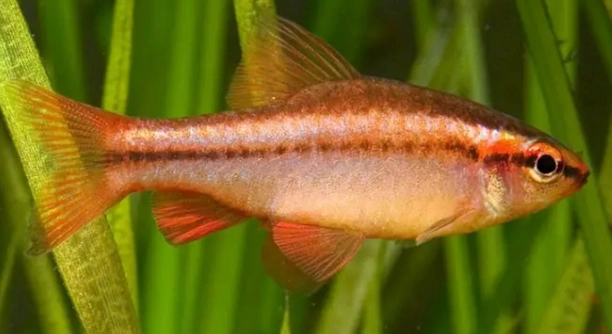
Cherry Barbs are popular freshwater fish known for their vibrant colors and peaceful nature. However, sometimes these fish may struggle to adjust to their environment. Recognizing the signs early can help ensure their well-being.
There are several signs that indicate your Cherry Barb is not adjusting well to its new environment. These signs include lethargy, loss of color, abnormal swimming patterns, and lack of appetite, which can be linked to stress, poor water quality, or improper tank conditions.
Taking note of these signs early can help address the problem. Proper tank maintenance and water adjustments are key to their well-being.
Stress and Overcrowding
Stress is one of the main factors that can affect your Cherry Barb’s health and behavior. Overcrowding in the tank, loud noises, or even rapid changes in water temperature can all cause stress. These stressors can weaken your fish’s immune system and make them more susceptible to illnesses. It is important to maintain a calm, quiet environment for your Cherry Barbs, allowing them to feel secure. Adding hiding spots like plants or rocks can also help them feel more at ease.
Sometimes, too many fish in a small tank can create an overwhelming atmosphere. When there’s not enough space, the fish might experience constant stress. Make sure your tank provides adequate room for each fish to swim freely.
Regular tank maintenance is essential in reducing stress. Keeping water parameters stable and clean helps reduce the pressure on your fish and supports their overall health. A quiet tank with fewer fish can create a comfortable environment where Cherry Barbs can thrive.
Water Quality Issues
Poor water quality is a significant reason why your Cherry Barb may struggle to adjust. Fish are very sensitive to changes in their environment, and bad water conditions can lead to lethargy or other health problems. Ammonia and nitrite levels should be monitored regularly.
Maintaining clean water is vital for Cherry Barbs. Regular water changes and good filtration can keep the tank environment healthy. Make sure to test the water for ammonia, nitrite, and nitrate levels to ensure they remain within safe limits. A sudden drop or rise in temperature can also affect the fish’s ability to adjust.
To prevent water quality issues, always ensure that you’re using a quality filtration system and monitor water conditions weekly. This will help keep your Cherry Barbs healthy and stress-free, allowing them to adjust to their environment better.
Improper Tank Setup
An improperly set up tank can cause several issues for Cherry Barbs. The lack of appropriate filtration, lighting, or decorations can make them feel insecure or uncomfortable. It’s essential to create a tank environment that suits their needs to prevent stress.
For Cherry Barbs, tank setup is key. They thrive in tanks with a well-established filtration system, proper lighting, and enough swimming space. Ensure the substrate is suitable for them and add plants or decorations to mimic their natural habitat. This will help your Cherry Barbs feel at ease and adjust better.
Proper water flow is crucial. Cherry Barbs prefer a mild to moderate current in their tank. Too much flow can cause them to feel stressed, while too little can lead to stagnant water and poor oxygenation. Make sure the water movement is appropriate for their needs.
Unstable Temperature
Temperature fluctuations can stress Cherry Barbs, making it difficult for them to adjust. They prefer stable water temperatures between 72-78°F (22-26°C). Sudden changes can lead to sickness or lethargy, so it’s essential to keep the temperature consistent.
Using a reliable aquarium heater will help maintain the desired temperature range. Regularly check the water temperature with a thermometer to avoid fluctuations that might harm your fish. Keep in mind that Cherry Barbs are sensitive to rapid changes, so avoid placing the tank near windows or drafty areas where temperature swings are more likely.
In addition to stable water temperature, it’s also important to consider humidity. While Cherry Barbs live in aquatic environments, sudden drops or increases in humidity can cause stress. Maintaining a stable environment will ensure they adjust well to their tank.
Poor Diet
A poor diet can cause your Cherry Barb to become weak or stressed. These fish need a balanced diet of high-quality flakes, pellets, and occasional live or frozen food to stay healthy and vibrant.
Feeding them the right nutrients is important for their health. A varied diet helps prevent malnutrition and supports their immune system. Make sure to feed them enough without overfeeding, as excess food can pollute the water.
Also, avoid feeding them low-quality food that may not provide essential vitamins and minerals. A good diet supports your Cherry Barb’s adjustment to their new environment.
Lack of Social Interaction
Cherry Barbs are social fish that thrive in groups. If kept alone or in very small numbers, they can become stressed or shy. It’s important to keep at least five to six Cherry Barbs together to encourage natural social behavior.
In groups, Cherry Barbs feel more secure, reducing stress levels and encouraging them to exhibit more normal behaviors. When they are in smaller numbers, they may hide and appear unhealthy or inactive. Providing them with companionship helps boost their overall health and makes it easier for them to adjust.
Consider adding more Cherry Barbs to create a comfortable, social environment that supports their well-being.
Incorrect pH Levels
Cherry Barbs prefer slightly acidic to neutral water with a pH level between 6.0 and 7.5. If the pH level is outside this range, it can cause stress and prevent them from adjusting well.
Test the water regularly to ensure the pH level remains within the ideal range. pH fluctuations can happen if water changes aren’t done properly, or if other factors like excess organic matter are present. Consistent monitoring is necessary to maintain a stable environment.
Adjusting the pH when needed helps your Cherry Barbs stay comfortable and reduces the risk of stress.
FAQ
What size tank is best for Cherry Barbs?
Cherry Barbs do well in tanks of at least 20 gallons. This size provides enough space for a small group of fish to swim comfortably. If you plan to keep several Cherry Barbs, a larger tank may be necessary. A tank that’s too small can lead to overcrowding and stress, hindering their adjustment. Make sure the tank is long enough to give them ample swimming space. Adding plants and decorations will also help simulate their natural environment and make them feel secure.
Can Cherry Barbs live with other fish?
Yes, Cherry Barbs are peaceful and can live with other non-aggressive species. They do best in community tanks with other small, calm fish like tetras, rasboras, or danios. However, avoid keeping them with larger, more aggressive fish that might intimidate them. Cherry Barbs are social and enjoy the company of their own species, so it’s best to keep them in groups of at least five or six. This helps reduce stress and promotes healthier behavior.
How often should I feed my Cherry Barbs?
Feed your Cherry Barbs 2-3 times a day with small portions. They can eat high-quality flakes, pellets, and occasional live or frozen food like brine shrimp or daphnia. Make sure to feed them only as much as they can eat in a few minutes to prevent leftover food from polluting the tank. Overfeeding can cause water quality problems, which can lead to health issues for your fish. Monitor their feeding habits to make sure they are getting enough nutrition without excess waste.
Do Cherry Barbs require a filter in their tank?
Yes, Cherry Barbs benefit from a good filtration system. A filter helps maintain clean water by removing waste and toxins, which is crucial for their health. They are sensitive to poor water quality, and a reliable filter will help prevent issues with ammonia and nitrite buildup. Make sure the filter provides gentle water movement since Cherry Barbs do not like strong currents. Regularly clean the filter to keep it working efficiently and to maintain optimal water conditions.
What water temperature is ideal for Cherry Barbs?
Cherry Barbs thrive in water temperatures between 72°F and 78°F (22°C to 26°C). Keeping the water within this range helps them stay active and healthy. If the temperature is too high or low, they may become stressed or lethargic. Using an aquarium heater will help maintain a consistent temperature. Ensure that the heater is reliable and doesn’t fluctuate too much to avoid stressing the fish. Regularly check the water temperature with a thermometer to ensure it remains stable.
How can I tell if my Cherry Barb is sick?
Signs that your Cherry Barb may be sick include a loss of color, abnormal swimming behavior, or reduced appetite. They may also become lethargic, hiding more often, or rubbing against objects in the tank. If you notice these symptoms, check the water quality immediately. Poor water conditions are often the root cause of health problems in fish. If the water parameters are stable and the fish still shows signs of illness, you may need to consult a veterinarian specializing in aquatic animals. Early detection and treatment are key to recovery.
How can I help my Cherry Barb adjust to a new tank?
To help your Cherry Barb adjust to a new tank, keep the water quality stable, avoid sudden temperature changes, and ensure that the tank has plenty of hiding spots. Gradually acclimate the fish to the new environment by floating the bag in the tank for 15-20 minutes before releasing them. This will allow them to adjust to the water temperature. Avoid adding too many new fish at once, as this can overwhelm the system and increase stress. Patience is important during this transition period.
Can Cherry Barbs breed in a home aquarium?
Yes, Cherry Barbs can breed in a home aquarium, though it requires proper conditions. To encourage breeding, maintain stable water parameters, provide plenty of plants for hiding spots, and ensure that the tank has a slightly acidic to neutral pH. Male Cherry Barbs are usually more colorful and will often display their vibrant colors to attract females. After mating, the female will lay eggs, which should hatch in about 2-3 days. If you want to raise the fry, you should move them to a separate tank where they can grow without being eaten by adult fish.
How do I prevent algae growth in my Cherry Barb tank?
To prevent algae growth, maintain good water quality by performing regular water changes and ensuring the tank has adequate filtration. You can also limit the amount of light the tank receives, as algae thrive in bright conditions. If you are using artificial lights, try to keep them on for no more than 8-10 hours a day. Consider adding algae-eating fish or snails to the tank, such as otocinclus or nerite snails, to help manage the algae. Keep an eye on any excess nutrients in the water, as these can contribute to algae blooms.
Final Thoughts
Taking care of Cherry Barbs can be a rewarding experience if you provide them with the right environment and care. These fish are known for their peaceful nature and vibrant colors, making them a great addition to any community tank. However, like all fish, they require specific conditions to thrive. Ensuring that their tank has the proper size, water quality, and temperature is crucial for their health and well-being. They also need a balanced diet, social interaction with other fish, and regular monitoring of their environment. By paying attention to these factors, your Cherry Barbs will likely adapt well and live a long, healthy life.
While Cherry Barbs are relatively hardy, they can be sensitive to sudden changes in their environment. Stress can be a major factor that hinders their adjustment, so it’s important to avoid overcrowding, sudden temperature fluctuations, and poor water quality. A consistent maintenance routine, including regular water changes and tank cleanings, will help maintain a stable environment. It’s also essential to keep an eye on their behavior and health. If you notice any changes, like a lack of appetite or unusual swimming patterns, it may be a sign of an underlying issue that needs attention.
In conclusion, taking the time to understand your Cherry Barb’s needs will make a significant difference in their ability to adjust and thrive in your aquarium. With the right care, they can become vibrant, active fish that add beauty and joy to your tank. Remember, each fish is different, so be patient and observant. If you notice that your Cherry Barb isn’t adjusting well, consider the factors mentioned and make the necessary changes to their environment. By creating a stable and healthy habitat, you’ll help your Cherry Barbs live their best lives.

Hello,
If you enjoy the content that we create, please consider saying a "Thank You!" by leaving a tip.
Every little bit helps us continue crafting quality advice that supports the health, happiness, and well-being of pets around the world, for pets of all shapes, sizes, and species.
We really appreciate the kindness and support that you show us!