
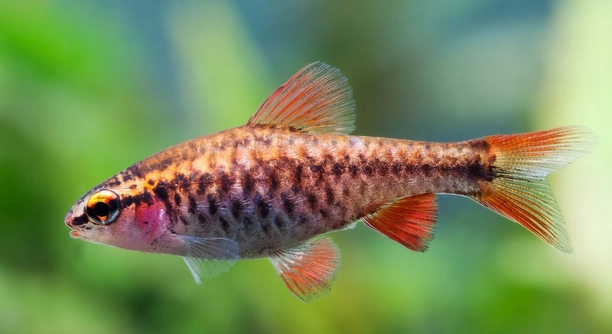
Cherry barbs are small, colorful fish that can bring life to your aquarium. They are hardy but require proper care to grow well. Understanding what affects their growth can help you provide the best environment for them.
Several factors influence cherry barb growth, including water quality, temperature, diet, tank size, and social environment. Ensuring proper care in these areas can promote healthy growth and longevity for cherry barbs, allowing them to thrive in their aquarium.
The health and growth of your cherry barbs depend on multiple factors that are simple to manage. By keeping these elements in check, you can create an ideal environment for their well-being and development.
Water Quality and Temperature
Water quality is one of the most important factors that can affect cherry barb growth. When the water in your tank is clean and well-maintained, your fish will have a much better chance of thriving. This means regularly testing for proper levels of pH, ammonia, and nitrate. If these levels are off, it can hinder their growth and lead to health problems. The ideal water temperature for cherry barbs is between 75°F and 80°F. Too cold or too hot water can stress the fish, slowing down their growth rate. It’s essential to monitor the temperature with a reliable thermometer and adjust the heater as needed.
Maintaining good water quality doesn’t need to be difficult. Regular water changes and proper filtration go a long way in keeping the environment clean. Proper water conditions help ensure your fish grow to their full potential and remain healthy.
A water testing kit is a small investment that will help you manage the aquarium better. Testing the water regularly ensures any harmful buildup of toxins is caught early. By keeping both temperature and water quality optimal, you support the overall growth and well-being of your cherry barbs.
Tank Size and Space
The size of the tank plays a role in how well cherry barbs grow. If you have too few fish in a small tank, the space feels cramped, and the fish may not thrive. On the other hand, a larger tank with more swimming space helps fish grow at their full potential. It also reduces stress, which can hinder growth. A good rule of thumb is to have at least 20 gallons of water for a small group of cherry barbs. More space allows them to move freely, stay active, and develop properly.
When you have the right tank size, your cherry barbs will feel more at ease and healthier. The added space allows them to explore their environment and helps maintain stable water quality, reducing the risk of overcrowding. This allows them to focus on growth rather than simply surviving.
Diet and Nutrition
Providing a balanced diet is key to promoting cherry barb growth. Their diet should include high-quality fish flakes, pellets, and occasional live or frozen foods such as brine shrimp or daphnia. A variety of foods ensures they get the necessary nutrients for healthy development.
Overfeeding or giving poor-quality food can lead to health problems and stunted growth. It’s important to feed them small amounts, two or three times a day. Ensure the food is consumed within a few minutes to avoid excess waste in the tank, which could affect water quality. A healthy, well-rounded diet will help your cherry barbs grow strong and vibrant.
The right amount of protein and vitamins will also enhance their color and energy levels. The growth rate of cherry barbs is directly linked to their nutrition, so offering them the best food possible can lead to quicker development and better overall health. A proper diet plays a major role in ensuring your fish grow to their full potential.
Social Environment
Cherry barbs are social fish that grow better when kept in groups. A small school of cherry barbs promotes natural behaviors and reduces stress. When isolated, they can become anxious, which may affect their health and growth. Aim to keep at least five or six barbs together.
Having companions allows them to feel safe and encourages more active swimming. This social interaction helps them grow quicker and more naturally. A single cherry barb without other tank mates may exhibit signs of stress, like hiding or becoming lethargic. It’s important to consider their social needs when planning the tank setup.
In addition, having other peaceful fish in the tank can help create a harmonious environment. This reduces stress for the cherry barbs and supports a healthier, more vibrant group. By maintaining a stable social environment, you foster conditions where your cherry barbs can flourish and grow at a steady pace.
Lighting Conditions
Cherry barbs require proper lighting for healthy growth. Bright, natural light helps regulate their daily cycles. However, too much direct sunlight can cause temperature fluctuations, leading to stress. Aim for a consistent light schedule, about 10-12 hours a day, to mimic their natural environment.
Providing the right amount of light not only benefits their physical health but also enhances their colors and activity levels. Proper lighting can simulate the conditions they would experience in the wild, promoting more natural behaviors. Avoid leaving lights on too long, as this can disrupt their rest and lead to stress.
Tank Maintenance
Regular tank maintenance is crucial for cherry barb growth. Keeping the tank clean, performing weekly water changes, and ensuring the filter is functioning properly are all vital tasks. A well-maintained environment reduces harmful chemicals, ensuring the fish remain healthy and can grow without hindrances.
Clean tanks allow your fish to flourish, as they can swim freely without stress. A dirty or neglected tank increases the risk of diseases and stunted growth. Keeping your tank in top shape helps your cherry barbs live longer and grow to their full potential.
Genetics
Genetics play a significant role in how well cherry barbs grow. While most factors can be controlled, the genetic makeup of each fish influences its maximum size and overall health. Healthy genetics allow cherry barbs to grow faster, while weaker genetics may slow their development.
Fish with good genetics have a better chance of growing strong and vibrant. While external factors like diet and environment are crucial, a fish’s genetic foundation cannot be overlooked. Starting with healthy, well-bred cherry barbs will ensure better growth outcomes in the long run.
FAQ
How fast do cherry barbs grow?
Cherry barbs grow relatively quickly when provided with the right conditions. Typically, they can reach full size in about 6-12 months, depending on factors like diet, water quality, and space. If they are in an optimal environment with proper care, they may even reach their adult size in under a year. However, if conditions aren’t ideal, growth may be slower. Young cherry barbs usually start at around 1 inch in length, and by the time they are fully grown, they can reach up to 2 inches. Regular monitoring of tank conditions will ensure they grow at a steady rate.
What is the ideal tank size for cherry barbs?
The ideal tank size for cherry barbs depends on the number of fish you plan to keep. For a small group of 5-6 cherry barbs, a 20-gallon tank is generally sufficient. This provides enough swimming space while maintaining good water quality. If you plan to add more fish, a larger tank is recommended to prevent overcrowding, which can lead to stress and hinder growth. Keep in mind that adding a filter and maintaining regular water changes is key to keeping the water clean and healthy, especially in larger tanks.
Do cherry barbs need a filter in their tank?
Yes, cherry barbs need a filter in their tank to maintain water quality. A filter helps remove debris, excess food, and waste, ensuring the water remains clean and oxygenated. Proper filtration prevents harmful buildup of ammonia and nitrates, which can be detrimental to the fish’s health. When choosing a filter, make sure it is appropriate for the size of your tank. A filter that is too strong could cause stress to the fish, while one that is too weak might not adequately clean the water. Regular cleaning of the filter is also necessary to ensure it functions well.
What is the best water temperature for cherry barbs?
Cherry barbs thrive in water temperatures between 75°F and 80°F (24°C-27°C). If the water is too cold or too warm, the fish may experience stress, which can hinder their growth and overall health. Keeping the temperature within this range helps to maintain their natural metabolic processes, encouraging healthy growth and vibrant colors. It is important to use a reliable aquarium heater and thermometer to keep the water temperature stable, especially in rooms that experience temperature fluctuations.
How often should I feed my cherry barbs?
Cherry barbs should be fed small amounts two or three times a day. Overfeeding can lead to excess waste in the tank, which can affect water quality and slow down their growth. Offer food that can be consumed in about 2-3 minutes. A varied diet that includes high-quality flakes, pellets, and occasional live or frozen food like brine shrimp, daphnia, or bloodworms will ensure they get the nutrients they need to grow strong. Always remove any uneaten food after a few minutes to maintain water quality.
Can cherry barbs live with other fish?
Yes, cherry barbs are peaceful fish that can live with a variety of other species. They do best in a community tank with other peaceful fish that have similar care requirements. Avoid keeping them with aggressive fish, as this can lead to stress and affect their health and growth. They are ideal tank mates for species like guppies, tetras, and other small peaceful fish. However, it is important to ensure that all fish in the tank are compatible and that the tank is large enough to accommodate everyone without overcrowding.
What should I do if my cherry barbs aren’t growing?
If your cherry barbs aren’t growing as expected, it could be due to poor water quality, inadequate diet, or incorrect tank conditions. Start by testing the water for pH, ammonia, nitrate, and nitrite levels. Ensure that the water temperature is within the ideal range and that the tank is adequately filtered. Review their diet to make sure they are getting a balanced mix of protein, vitamins, and minerals. Also, check if they have enough space and are in a peaceful environment. If conditions are optimal and they still aren’t growing, consider genetics as a potential factor.
Can cherry barbs breed in a home aquarium?
Yes, cherry barbs can breed in a well-maintained home aquarium. They are egg layers, and breeding typically occurs when water conditions are optimal. To encourage breeding, maintain slightly acidic water, ensure good water quality, and increase the water temperature slightly to around 80°F. Cherry barbs may breed in groups, and once the female lays her eggs, they will hatch in a few days. To prevent the adult fish from eating the eggs, you may want to remove the adults after spawning or provide hiding spots for the eggs.
How can I tell if my cherry barbs are healthy?
Healthy cherry barbs should be active, colorful, and have a good appetite. They should swim freely and not show signs of distress, such as swimming erratically or hiding. Their fins should be intact and not torn, and they should not have any visible lesions or abnormal growths. If you notice any signs of illness, such as lethargy, faded colors, or abnormal swimming behavior, it may be a sign of poor water quality, disease, or stress. Regular water changes and maintaining good tank conditions will help keep your fish healthy.
Final Thoughts
Cherry barbs are hardy and vibrant fish that can thrive in the right environment. By paying attention to their water quality, temperature, diet, and social needs, you can help them grow to their full potential. Creating a suitable space for them and maintaining proper care practices will result in healthier, more active fish. The most important thing to remember is that cherry barbs require a stable environment to thrive. Consistent monitoring of water conditions and regular tank maintenance are key factors in ensuring they grow well and stay healthy.
It’s also important to consider the social aspect of keeping cherry barbs. They are best kept in small groups, as they are social creatures that need the company of other fish to feel secure. This not only helps reduce stress but also promotes natural behaviors, which in turn support healthy growth. A larger tank is ideal for accommodating multiple fish, ensuring there’s enough room for swimming and exploration. With enough space and the right tank mates, cherry barbs can live harmoniously in a community tank.
Lastly, genetics should not be overlooked. While external factors like food and tank conditions are important, a fish’s genetic makeup plays a role in how fast and how large it can grow. If you start with healthy, well-bred cherry barbs, they will have a better chance of thriving. By following the care tips mentioned, you’ll create an environment that encourages optimal growth for your cherry barbs, allowing them to live long, healthy lives in your aquarium. With patience and consistency, you’ll be able to enjoy their beauty and lively behavior for years to come.

Hello,
If you enjoy the content that we create, please consider saying a "Thank You!" by leaving a tip.
Every little bit helps us continue crafting quality advice that supports the health, happiness, and well-being of pets around the world, for pets of all shapes, sizes, and species.
We really appreciate the kindness and support that you show us!