
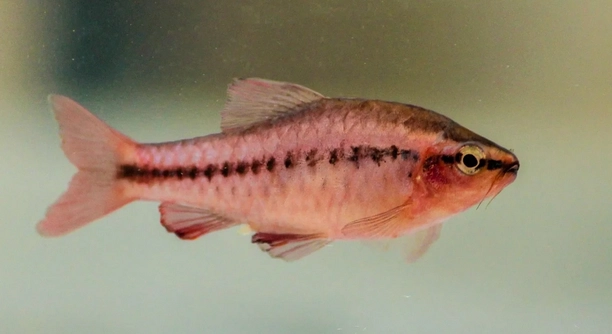
Cherry Barbs are popular fish among aquarium enthusiasts due to their vibrant colors and peaceful nature. However, like all fish, they can sometimes experience fin damage. It’s important to know how to care for them in such situations.
Cherry Barbs can recover from fin damage, but the healing process depends on the severity of the injury and the conditions in the tank. Proper water quality, diet, and stress reduction play key roles in their recovery.
Knowing how to support your Cherry Barbs through this healing process can make a significant difference in their health. Taking care of their environment and ensuring proper care will help them recover and thrive.
Understanding Fin Damage in Cherry Barbs
Fin damage in Cherry Barbs can happen for several reasons, often due to aggressive tank mates or accidents while swimming around decorations. Fin damage can be superficial, like small tears or fraying, but it can also be more severe, involving chunks missing from the fins. It’s essential to pay attention to the extent of the damage, as this will determine how well the fish can heal. Keeping a close eye on their behavior after injury is important. Fish with damaged fins might swim differently or show signs of stress. With proper care, however, they can recover fully.
Cherry Barbs, like many other fish, can regrow fin tissue over time if the damage is not too extensive. However, this process can take weeks, and the environment plays a big role in how quickly they heal.
Healing starts by ensuring that the tank conditions are ideal. Proper water parameters, a clean tank, and low-stress conditions all help the fish’s recovery. A high level of cleanliness will prevent infections, which are common in wounds.
How to Ensure Proper Healing
To help your Cherry Barbs heal, first ensure that the tank is stress-free. Avoid adding aggressive fish or making sudden changes to the tank. A consistent, calm environment helps fish feel safe and recover faster. Regular water changes and good filtration are essential to prevent any bacterial infections in the injured area.
Providing Cherry Barbs with a nutritious diet rich in protein can speed up their recovery. High-quality food with added vitamins can promote fin regrowth. Additionally, if the damage is minor, the fish may heal naturally. However, for more severe injuries, consider adding aquarium salt to the water, which helps with the healing process by reducing infection risks.
While these steps may seem simple, they can make a significant difference in the recovery process for Cherry Barbs. Staying consistent with the right care will increase the chances of them regrowing their fins completely and staying healthy overall.
Signs of Infected Fin Damage
Infected fins will often appear darker or have a ragged, fuzzy appearance. You may notice that the fish is swimming more slowly or avoiding certain areas of the tank. If the wound begins to look swollen or produces white patches, it’s a sign that bacteria or fungus might be present.
It’s important to catch infections early to prevent the situation from worsening. Look for any signs of excess mucus or inflammation around the damaged area. If the damage doesn’t heal after a few days, there’s a higher chance that the injury has become infected. This is where water quality plays a big role, as poor water conditions can easily lead to infections.
When infection is present, it can be helpful to add an aquarium-safe antibacterial or antifungal treatment. Also, remove any sharp objects from the tank that might further irritate the injury. Ensuring a clean environment will give your Cherry Barb the best chance of recovery.
Tank Setup for Healing
A properly set-up tank is crucial when helping your Cherry Barb recover from fin damage. Start by ensuring the water quality is pristine. Use a good filter and perform regular water changes to keep ammonia and nitrite levels low. High water quality reduces the chances of infection.
Additionally, make sure the temperature is stable and falls within the ideal range for Cherry Barbs—around 74-78°F (23-26°C). Keeping the tank’s environment calm will reduce stress, which can slow down the healing process. Avoid adding new fish or making drastic changes to the tank setup during this time.
You can also add plants or hiding spots that allow your Cherry Barb to feel more secure. This reduces stress and gives them a place to rest if they’re feeling vulnerable after an injury.
Role of Diet in Recovery
A healthy, balanced diet plays a significant role in the recovery of Cherry Barbs. Providing them with nutritious foods will support their immune system and promote healing. High-protein foods like brine shrimp and bloodworms are great for helping them recover.
Fish food with added vitamins, particularly Vitamin C and E, can also support the recovery of damaged fins. These vitamins help with tissue repair and overall health. Ensure that the food is fresh and doesn’t contain any additives or preservatives that could stress the fish further.
Reducing Stress During Recovery
Reducing stress is critical for your Cherry Barb’s recovery. Avoid sudden changes in water conditions or tankmates that might cause anxiety. Stress weakens the immune system, making recovery slower.
Try to limit handling or disturbances in the tank during the healing process. Provide hiding spots and ensure the tank is free of aggressive fish to keep stress levels low.
FAQ
Can Cherry Barbs recover from severe fin damage?
Yes, Cherry Barbs can recover from severe fin damage, but the healing process may take longer and depend on several factors, including the severity of the injury and the tank conditions. If the damage is extensive, it might result in permanent scarring or fin deformities. However, with proper care, including clean water, a balanced diet, and minimal stress, Cherry Barbs can regrow their fins over time. In cases of severe damage, it’s essential to monitor for signs of infection and take action immediately.
How long does it take for Cherry Barbs to recover from fin damage?
The recovery time for Cherry Barbs can vary depending on the severity of the fin damage. Minor damage may heal within a few weeks, while more severe injuries could take months. Proper water conditions and a healthy diet are essential to accelerate the healing process. In general, if the water quality is ideal and the fish is well-fed, you can expect visible improvements in a few weeks. However, regrowth may take longer depending on the fish’s overall health and the damage’s extent.
What should I do if I notice signs of infection in my Cherry Barb’s fins?
If you notice signs of infection, such as discoloration, swelling, or a fuzzy appearance around the injured area, it’s important to act quickly. Begin by improving the water quality through regular water changes and ensure the tank is clean. You may also want to isolate the affected fish in a quarantine tank to prevent the spread of any potential infection. If the infection appears serious, you can use aquarium-safe antibacterial or antifungal treatments to help the healing process. Always follow the manufacturer’s instructions when using treatments.
Can Cherry Barbs get fin rot, and how can I prevent it?
Yes, Cherry Barbs can get fin rot, which is typically caused by bacterial or fungal infections. This often occurs when the fish’s fins are damaged and exposed to harmful bacteria in poor water conditions. To prevent fin rot, it’s essential to maintain clean water, provide a balanced diet, and reduce stress. Avoid overcrowding the tank and ensure no sharp objects are present that could injure the fish. Regularly monitor water parameters and make adjustments if needed to avoid an environment that fosters bacteria.
Is it necessary to add aquarium salt to help Cherry Barbs recover from fin damage?
Adding aquarium salt can help promote healing by reducing stress and preventing infections in some cases. Salt can assist with osmotic balance and provide antibacterial benefits. However, it’s important to use it cautiously, as excessive salt can harm the fish. If you choose to use salt, make sure to dissolve it properly and only use it in recommended amounts. Be sure to remove the salt after the fish has healed, as prolonged exposure can cause stress or health issues for the fish.
Should I remove aggressive tank mates while my Cherry Barb heals?
Yes, it’s best to remove any aggressive tank mates while your Cherry Barb is healing. Aggressive fish may cause additional stress or even further damage to the injured fish. If possible, move the injured Cherry Barb to a quarantine tank or create a peaceful environment with tank mates that are gentle and non-aggressive. Stress can delay the healing process, so minimizing conflict in the tank is essential for a quicker recovery.
Can I use a filter while treating fin damage or infection?
Yes, you can use a filter during the treatment process, as it helps maintain water quality by removing debris and harmful substances. A clean, filtered environment is crucial for healing. However, ensure that the filter doesn’t create strong currents that might stress the injured fish or make it harder for them to swim. If you’re using medication or treatments in the tank, check if they are compatible with filtration, as some medications may be removed by certain types of filters.
How can I tell if my Cherry Barb is healing properly?
Signs of proper healing include the gradual disappearance of visible damage, such as torn fins starting to regrow, and the absence of any further infection or inflammation. The fish should start swimming normally again, and you’ll notice it being more active or eating well. If you see any signs of infection, such as a change in color or fuzzy growth around the wound, further treatment may be needed. Healthy healing is usually accompanied by a stable and clean environment, so keeping water conditions optimal is important.
Should I change the water more frequently during recovery?
Yes, it’s a good idea to change the water more frequently during your Cherry Barb’s recovery. Clean water helps reduce the risk of infections and promotes healing. A 25-30% water change every few days is ideal, especially if you are treating an injury or infection. Be sure to test the water for ammonia, nitrites, and nitrates before each change to ensure the tank’s water quality is suitable for healing.
Can Cherry Barbs recover from fin damage if their tank is not ideal?
While Cherry Barbs can recover from fin damage in less-than-ideal conditions, their healing process will be much slower and more complicated. Poor water quality, overcrowding, and stress can all hinder recovery and may increase the risk of infection. For the best results, it’s important to address any tank issues promptly. A stable environment, with proper water parameters and low stress, is key to ensuring that the Cherry Barb heals effectively.
Final Thoughts
Cherry Barbs are resilient fish that can recover from fin damage, but it requires proper care and attention. Whether the damage is minor or more severe, taking the right steps can make all the difference in how quickly and effectively they heal. The most important thing is to ensure the environment is as stress-free as possible. Stress can slow down recovery and even make the injury worse. By keeping the water clean, maintaining the right temperature, and providing a calm environment, Cherry Barbs have a better chance of regrowing their fins and staying healthy.
In addition to a good environment, providing the right food plays a key role in the healing process. A diet rich in protein, vitamins, and minerals helps support fin regrowth and overall health. Foods like brine shrimp, bloodworms, and high-quality flake foods can promote recovery. It’s also important to avoid feeding them too much, as excess food can pollute the water and create conditions that might harm them. A balanced diet will not only help them heal but will also strengthen their immune system, reducing the risk of infections.
While most Cherry Barbs can recover from fin damage, it’s important to stay vigilant. Keep an eye on their behavior and the condition of their fins. If you notice signs of infection, such as swelling or discoloration, it’s essential to act quickly to prevent it from getting worse. If the damage is severe or doesn’t seem to be healing, consult with a professional to see if there’s anything else that can be done. By maintaining good tank conditions and providing the right care, your Cherry Barbs will likely make a full recovery and continue to thrive in your aquarium.

Hello,
If you enjoy the content that we create, please consider saying a "Thank You!" by leaving a tip.
Every little bit helps us continue crafting quality advice that supports the health, happiness, and well-being of pets around the world, for pets of all shapes, sizes, and species.
We really appreciate the kindness and support that you show us!