
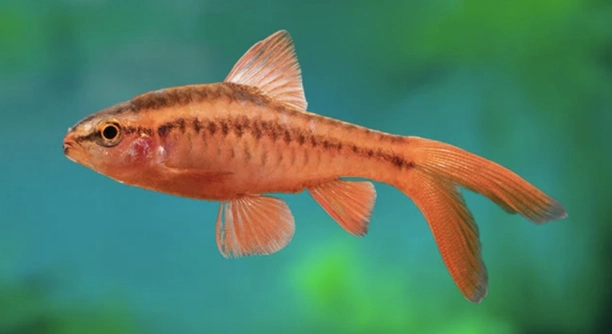
Breeding Cherry Barbs can be a rewarding experience, but it requires careful attention to their needs. With the right steps, you can increase the chances of successful breeding and raise healthy offspring.
To boost breeding success with Cherry Barbs, it’s essential to focus on water quality, diet, and environment. Proper care of these factors can lead to optimal breeding conditions, resulting in healthier and more productive fish.
By implementing these practices, you’ll improve your chances of success. Let’s explore the simple steps that will help you achieve the best results for your Cherry Barbs.
1. Maintain Clean, Stable Water Conditions
Cherry Barbs thrive in clean water with stable parameters. It’s vital to maintain a temperature range of 75°F to 80°F (24°C to 27°C), along with a pH of around 6.5 to 7.5. Regular water changes, especially during breeding attempts, are key to reducing toxins and keeping the environment healthy. Ammonia and nitrite levels should always be at zero to prevent stress or harm to the fish.
Proper filtration is also necessary to keep the water clear. A good filter helps keep debris and excess food from accumulating, which could lead to dangerous spikes in harmful substances. Be mindful of the water flow as well, as Cherry Barbs prefer gentle currents. Too much movement could discourage spawning.
A water test kit is an affordable tool to monitor these factors. Consistently checking for proper levels will help ensure that your fish stay comfortable and ready to breed.
2. Offer a Nutritious Diet
A balanced diet can significantly influence the success of breeding Cherry Barbs. High-quality flakes, live foods like brine shrimp, and occasional vegetables like spinach or zucchini are ideal. Ensure that the food is rich in essential nutrients.
Feeding a variety of foods also enhances the overall health of the fish, improving their energy and readiness to reproduce. Healthy Cherry Barbs are more likely to breed, producing strong and vibrant offspring.
It’s important to feed them in moderation to avoid water contamination. Overfeeding can lead to waste buildup, disrupting the water quality and hindering breeding efforts. Stick to a feeding schedule and remove any uneaten food after a few minutes.
3. Create a Separate Breeding Tank
It’s best to set up a separate breeding tank to give Cherry Barbs a safe, controlled environment. A tank with a capacity of at least 10 gallons provides enough space for the fish to swim comfortably and breed without disturbance from other tank mates.
In this breeding tank, it’s essential to use a sponge filter instead of a traditional one. The sponge filter creates gentle water flow, which is ideal for the delicate fry once they hatch. You should also add plants or soft mesh to give the fish places to hide, especially for the female during and after breeding.
Having a separate breeding tank minimizes the risk of predation. Other fish might eat the eggs or fry if they remain in the main tank. By creating this isolated space, you give the eggs the best chance to hatch safely.
4. Set Up Proper Lighting Conditions
Proper lighting is an important factor in encouraging breeding. A consistent light schedule, mimicking the natural day and night cycle, signals to the fish that it’s time to reproduce. Ideally, provide around 10-12 hours of light each day to maintain their biological rhythms.
Ensure that the tank is not too bright, as overly intense light can stress out Cherry Barbs. Use soft, indirect lighting to create a calm atmosphere. A gentle, well-lit environment will help them feel comfortable enough to spawn. The light intensity also encourages their natural behaviors, increasing the likelihood of successful breeding.
Changing the lighting schedule as part of a gradual approach may help trigger breeding. When it comes to breeding Cherry Barbs, it’s not just about the light levels, but also about giving the fish the time and environment they need to feel at ease.
5. Use Proper Water Conditioning
Conditioning the water helps to create the ideal environment for breeding. Make sure the water is slightly acidic, with a pH around 6.5 to 7.0, to mimic their natural habitat. Water hardness should also be moderate, not too soft or too hard.
Conditioning water also involves adjusting the temperature. Raising it by a few degrees can trigger breeding behavior. However, make sure to do this gradually to avoid stressing the fish. A slight temperature increase combined with other factors, like clean water and proper lighting, helps signal to the Cherry Barbs that it’s time to spawn.
Consistent water changes are another part of the conditioning process. A weekly water change helps keep the environment fresh and reduces toxins, creating an optimal breeding space. Remember that small adjustments can have a big impact on encouraging successful breeding.
6. Introduce Suitable Mates
Choosing the right mates for your Cherry Barbs is essential for breeding success. Ideally, select a group with more females than males to encourage competition and increase breeding chances. Ensure the fish are of breeding age—typically between 6 to 12 months old.
A healthy male and female should display vibrant colors. During courtship, males show brighter hues to attract the females. This is a good sign that they are ready to breed. Be mindful that males can sometimes become aggressive, so it’s best to observe them closely and separate if needed.
Once in the breeding tank, the male will usually chase the female, and after mating, the female will scatter eggs around the tank. Healthy, mature fish are key to ensuring a successful breeding process.
7. Be Patient with Fry Care
Once the eggs hatch, patience is required. Cherry Barb fry are tiny and fragile, so it’s important to provide the right care. Initially, they rely on their yolk sacs for nutrition, so there’s no need to feed them immediately.
After a few days, you can start offering finely crushed flake food or infusoria, tiny microorganisms that can serve as their first meal. Be careful not to overfeed them, as excess food can pollute the water quickly. Maintaining stable water conditions is crucial at this stage to avoid any harm to the delicate fry.
As they grow, you can introduce larger foods like baby brine shrimp. Keep the tank clean and well-maintained to ensure healthy development of the fry. Watching them grow into young Cherry Barbs will make the effort worth it.
FAQ
1. How do I know if my Cherry Barbs are ready to breed?
Cherry Barbs typically become ready to breed when they are between 6 to 12 months old. During this time, males will develop brighter colors, especially on their fins and bodies, to attract females. Females are generally rounder and larger than males. When the males begin to chase the females around the tank, it’s a sign that they are ready to spawn. Additionally, a healthy and active group of Cherry Barbs is essential for successful breeding.
2. Can I breed Cherry Barbs in a community tank?
While it is possible to breed Cherry Barbs in a community tank, it is more challenging. Other fish might eat the eggs or fry, and some tankmates could stress out the breeding fish. A separate breeding tank is highly recommended, where you can control the environment, lighting, and water conditions to optimize breeding success. In a community tank, you also risk disrupting the fish’s natural behavior, so it’s best to move them into a dedicated breeding space if you want to increase the chances of successful breeding.
3. How long does it take for Cherry Barb eggs to hatch?
Cherry Barb eggs typically hatch within 24 to 48 hours, depending on the water temperature. The warmer the water (within their ideal temperature range of 75°F to 80°F), the faster the eggs will hatch. It’s crucial to maintain stable water conditions during this period, as fluctuations in temperature can cause the eggs to fail. Once hatched, the fry will rely on their yolk sacs for the first few days, before they start swimming and eating.
4. How often should I change the water in a breeding tank?
In a breeding tank, water changes should be done more frequently than in a regular tank to ensure that the water remains clean and free from toxins. A 25-30% water change once a week is a good starting point. During the breeding process, you may want to do smaller, more frequent changes (around 10-15%) to maintain the water quality. Always make sure that the new water is of similar temperature and pH to avoid stressing the fish.
5. What should I feed Cherry Barbs during breeding?
During breeding, it’s important to provide a variety of foods to keep the Cherry Barbs healthy and active. Offer high-quality flakes, live foods like brine shrimp or daphnia, and occasional plant matter like spinach or zucchini. A varied diet ensures that they receive all the necessary nutrients for successful reproduction. Proper feeding also enhances the health of both the male and female fish, increasing the likelihood of successful breeding.
6. How do I protect the eggs from other fish in a community tank?
If you’re attempting to breed Cherry Barbs in a community tank, consider adding a breeding mesh or a separate breeding box within the tank. These can keep the eggs protected from other fish that may try to eat them. Another method is to introduce plants or moss where the fish can lay eggs, as the plants provide natural hiding places for the eggs. If possible, moving the Cherry Barbs to a separate breeding tank will greatly increase the chances of the eggs hatching successfully without the threat of predation.
7. Why isn’t my Cherry Barb breeding?
If your Cherry Barbs aren’t breeding, it could be due to several factors. Check if the water temperature is within the optimal range (75°F to 80°F), and make sure the pH level is appropriate for breeding (between 6.5 to 7.5). If these factors are correct, the fish may be stressed by tank mates, poor water quality, or inadequate lighting. Make sure they are well-fed with a variety of foods, and ensure they have plenty of space and hiding spots. Sometimes, the fish may simply not be ready to breed yet, so patience may be necessary.
8. How do I care for Cherry Barb fry?
Once the eggs hatch, the fry are very small and fragile. For the first few days, they rely on their yolk sacs for nutrition. After that, you can start feeding them finely crushed flake food, infusoria, or liquid fry food. As they grow, introduce larger foods such as baby brine shrimp. Be sure to maintain the water quality, as dirty water can harm the fry. It’s important to feed them small amounts several times a day and remove any leftover food promptly to prevent pollution.
9. Can I breed Cherry Barbs with other species of fish?
It’s generally not recommended to breed Cherry Barbs with other species, as they may not form the right pair bonds or may not feel comfortable enough to breed. Cherry Barbs are best bred within their own species. Crossbreeding with other fish could result in poor fertility rates, weak offspring, or mismatched genetic traits. If you want to increase the chance of successful breeding, keep them in a species-only tank or ensure you have the right conditions to encourage breeding.
10. Do I need special equipment for breeding Cherry Barbs?
For successful breeding, the most important equipment includes a separate breeding tank, a sponge filter for gentle water circulation, and a heater to maintain the right temperature. Adding live plants or artificial spawning grass can help the female lay eggs in a safe, hidden area. Other useful tools might include a water test kit, a small net for catching fish, and an egg tumbler to help protect eggs from being eaten by the parents or other tank mates. These tools will help create an optimal environment for breeding and caring for the fry.
11. Can Cherry Barb fry be raised with adult fish?
It’s best to keep Cherry Barb fry separate from adult fish, especially the breeding pair, as adult fish can sometimes eat the fry. If raising them in the same tank, provide plenty of hiding spaces for the fry using plants or breeding moss. Ensure that the adults are well-fed to minimize the chance of them preying on the young. However, raising fry with adult fish can be challenging and requires close monitoring to ensure their survival.
Final Thoughts
Breeding Cherry Barbs can be a rewarding experience, but it requires attention to detail and patience. By ensuring proper water conditions, such as temperature and pH balance, you provide a suitable environment for successful breeding. Keeping the water clean is essential, and regular water changes, along with a good filtration system, will help prevent harmful toxins from building up. These simple steps can make a big difference in the breeding process.
Providing a proper diet is another key factor. Cherry Barbs need a variety of foods to stay healthy and active, which in turn improves their chances of successful breeding. Offering a mix of high-quality flakes, live foods, and occasional vegetables helps ensure that the fish are getting all the nutrients they need. This balanced diet not only promotes better breeding results but also enhances the overall health and vitality of the fish. Feeding a variety of foods also keeps them engaged and happy, which can be a good sign that they’re ready to spawn.
Finally, patience is crucial. It may take some time for your Cherry Barbs to breed, and there may be a few trials and errors along the way. It’s important to monitor their behavior, the water conditions, and their overall health. Don’t be discouraged if things don’t work out right away—by adjusting their environment and keeping an eye on their needs, you’ll increase the chances of success. Whether you’re raising a few fry or planning for multiple generations, the effort you put into creating the right conditions will pay off in the end.

Hello,
If you enjoy the content that we create, please consider saying a "Thank You!" by leaving a tip.
Every little bit helps us continue crafting quality advice that supports the health, happiness, and well-being of pets around the world, for pets of all shapes, sizes, and species.
We really appreciate the kindness and support that you show us!