
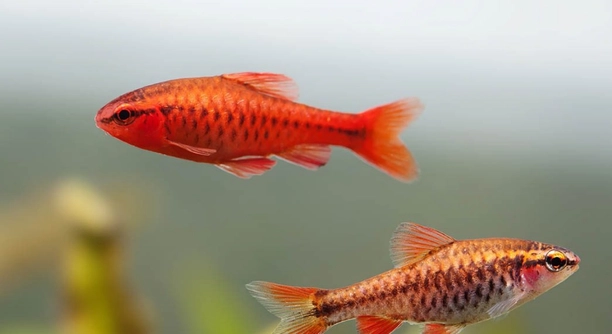
Cherry Barb tanks can create a peaceful, vibrant underwater environment. However, it can be tricky to choose plants that thrive in low-light conditions. In this article, we’ll guide you through selecting the best plants for your tank.
The best low-light plants for Cherry Barb tanks include species like Anubias, Java Fern, and Cryptocoryne. These plants thrive in low-light environments, requiring minimal maintenance while adding natural beauty to your aquarium without overwhelming your aquatic setup.
These plants are easy to care for and will complement the peaceful nature of your Cherry Barbs. Keep reading to find the perfect additions for your aquarium.
Anubias: The Perfect Low-Light Companion
Anubias is an ideal choice for low-light Cherry Barb tanks. Known for its sturdy, dark green leaves, this plant thrives in low to moderate light and can tolerate varying water conditions. Its slow growth makes it a hassle-free option. Anubias can be attached to rocks or driftwood, adding natural beauty without taking up too much space. It doesn’t need frequent pruning, making it perfect for beginners or those looking for easy maintenance. Anubias also provides hiding spots for your Cherry Barbs, making them feel secure in their habitat.
Its ability to survive in shaded environments and its low-maintenance care requirements make Anubias a top recommendation for Cherry Barb tanks. Anubias adds greenery while blending seamlessly into your aquarium.
If you’re looking for a no-fuss plant that still brings beauty to your tank, Anubias is a great option. Its versatility and resilience will make it a staple in your aquarium, offering your Cherry Barbs a comfortable environment to thrive.
Java Fern: A Reliable Plant for Low Light
Java Fern is another excellent choice for low-light aquariums. Its tough, leathery leaves make it resilient in various tank conditions.
Java Fern adapts well to low-light environments and is highly adaptable to different water parameters. It doesn’t need a substrate to grow and can be attached to decorations or driftwood. This makes it a flexible option for aquariums of all shapes and sizes.
Java Fern’s simple care requirements and slow growth rate make it an easy-to-manage plant for any aquarium. Its broad, dark green leaves provide a contrast to the lighter colors of your Cherry Barbs, enhancing the tank’s aesthetic. Moreover, this plant helps with water quality by absorbing excess nutrients, making it both beautiful and functional.
Cryptocoryne: A Resilient Plant for Your Tank
Cryptocoryne is a hardy plant that thrives in low-light conditions, making it perfect for Cherry Barb tanks. It requires minimal maintenance and can adapt to various water parameters.
This plant comes in different varieties, each with unique leaf shapes and colors. Cryptocoryne’s slow growth ensures that it won’t outgrow your tank quickly. It can be planted directly in the substrate or placed on hardscape surfaces. It also helps with water filtration, benefiting both your plants and fish.
With its low maintenance and tolerance for shaded conditions, Cryptocoryne provides a lush, green backdrop for your Cherry Barbs. Its resilience makes it an excellent option for beginners.
Marimo Moss Balls: Low Maintenance and Fun
Marimo Moss Balls are an easy-to-care-for plant option that thrives in low-light tanks. They require little attention and can be placed on the substrate or allowed to float.
These unique, spherical plants not only help improve water quality by absorbing excess nutrients but also provide an interesting visual appeal. Marimo Moss Balls slowly grow over time and need to be turned occasionally to maintain their shape. They don’t require any special lighting conditions, making them a great addition to any low-light tank setup.
Their simplicity and effectiveness make them a fantastic choice for Cherry Barb tanks. They contribute to a healthier aquatic environment while adding a unique texture and appearance to your aquarium.
Hornwort: A Fast-Growing, Low-Light Plant
Hornwort is an easy-to-care-for plant that thrives in low-light conditions. It can be placed floating or anchored in the substrate.
This plant grows quickly, providing excellent cover for Cherry Barbs. It also helps with water filtration, absorbing excess nutrients and improving overall tank health. Hornwort does not require a lot of light, making it ideal for dimmer environments.
Java Moss: A Low-Light Favorite
Java Moss is another great option for low-light tanks. It’s perfect for creating hiding spaces and adding a natural look to the tank.
Java Moss thrives in shaded areas and grows well without direct lighting. It’s also easy to attach to rocks or driftwood, making it a versatile and low-maintenance plant. This moss provides both aesthetic appeal and practical benefits, helping with water quality by absorbing extra nutrients.
Water Wisteria: A Beautiful Low-Light Plant
Water Wisteria is a low-light plant that adds beauty and variety to your Cherry Barb tank. Its delicate, feathery leaves create a soft, natural look.
Water Wisteria does well in low-light tanks and can be grown in a variety of ways. It thrives in moderate to low lighting and offers both aesthetic value and water purification. This plant also helps reduce algae growth by absorbing excess nutrients. It’s low-maintenance and works well in tanks with Cherry Barbs, providing them with hiding spots.
FAQ
What are the best low-light plants for Cherry Barb tanks?
Some of the best low-light plants for Cherry Barb tanks include Anubias, Java Fern, Cryptocoryne, Marimo Moss Balls, Hornwort, Java Moss, and Water Wisteria. These plants thrive in low-light conditions and are easy to maintain, making them perfect for aquariums with dim lighting. They also provide important benefits, such as improving water quality and offering hiding spots for your fish.
Can I grow plants in low light without special equipment?
Yes, many low-light plants can grow without the need for special equipment like high-intensity lighting. Plants like Anubias, Java Fern, and Java Moss naturally thrive in low-light conditions and do not require high-powered grow lights. These plants can adapt well to standard aquarium lighting and still flourish. It’s important to ensure the tank still gets some light, but most of these plants will do well even in shaded areas.
How do I take care of low-light plants in my tank?
Taking care of low-light plants involves a few simple tasks. First, make sure your plants are in appropriate lighting conditions—avoid direct, harsh light, as this can cause algae growth. You should also ensure the water conditions are stable. Low-light plants usually don’t require frequent fertilizing but may benefit from occasional supplements like liquid fertilizers. Regular trimming of overgrown plants will help keep the tank looking tidy and encourage new growth.
Will low-light plants affect my Cherry Barbs?
Low-light plants can have a positive effect on your Cherry Barbs. They provide hiding places, reduce stress, and improve water quality. The plants help filter the water, removing excess nutrients that could otherwise lead to algae blooms, which may harm your fish. In addition, these plants offer a natural environment where your Cherry Barbs can swim freely, mimicking their natural habitat and helping them feel more secure.
Can low-light plants grow in aquariums with low water flow?
Yes, many low-light plants grow well in aquariums with low water flow. Plants like Cryptocoryne and Java Fern, for example, are well-suited for areas with minimal water movement. These plants don’t require strong currents, making them ideal for slower-moving tanks like those with Cherry Barbs. However, it’s important to monitor your plants to make sure they aren’t becoming too stagnant, which could lead to poor water quality.
How can I prevent algae growth in a tank with low-light plants?
To prevent algae growth in a tank with low-light plants, ensure you aren’t overfeeding your fish, as excess food can lead to increased nutrients in the water. Regular water changes will help maintain good water quality. Low-light plants also help reduce algae by absorbing excess nutrients, so having a well-established plant population is key. Avoid overexposing your plants to light and keep the aquarium’s light cycle under control—typically, 6-8 hours of light per day is enough.
Do low-light plants need CO2 supplementation?
Low-light plants generally do not need CO2 supplementation to thrive. Plants like Java Fern, Anubias, and Cryptocoryne can grow well in aquariums without additional CO2. In low-light conditions, these plants tend to grow slowly, so they don’t require the added carbon that faster-growing plants need. However, if you choose to add CO2, it can help plants grow a little faster, but it’s not necessary for success.
How often should I fertilize low-light plants?
Low-light plants typically don’t need to be fertilized as often as high-light plants. A basic liquid fertilizer can be used every few weeks, depending on the plant’s growth rate and the tank’s water conditions. If you notice that your plants are starting to show signs of nutrient deficiency, such as yellowing leaves, it’s a sign they may need more nutrients. However, over-fertilizing can lead to algae growth, so it’s essential to follow a balanced schedule.
Can I mix different types of low-light plants in the same tank?
Yes, mixing different types of low-light plants in the same tank is perfectly fine. In fact, combining various plants can create a more visually appealing and natural-looking aquarium. Just make sure that the plants you choose have similar care requirements, such as light and water conditions. For example, pairing Java Fern with Cryptocoryne works well because both can tolerate low-light levels and have similar growth habits.
Are Marimo Moss Balls effective in keeping my tank clean?
Yes, Marimo Moss Balls can be quite effective in maintaining water quality. They help absorb excess nutrients, including nitrates and phosphates, which can otherwise contribute to algae growth. While they don’t clean the tank as thoroughly as a filter, they do help prevent nutrient buildup, reducing the chances of algae problems.
How do I know if my low-light plants are healthy?
Healthy low-light plants will have vibrant, dark green leaves and show signs of steady but slow growth. If your plants are turning yellow or losing their leaves, it could indicate a problem with water quality, lighting, or nutrients. Healthy plants should not be covered in algae or look overly fragile. Keep an eye on the plants for any changes in growth patterns, and make adjustments to the tank environment as needed.
Is it necessary to trim low-light plants regularly?
Trimming low-light plants can help maintain a neat appearance and prevent overcrowding in your tank. While many low-light plants grow slowly and don’t need trimming as often, occasional pruning will keep the plants healthy. For example, cutting back overgrown leaves or stems can help prevent decay and encourage new growth. It also helps maintain the balance in your tank, ensuring that plants have enough space to grow properly.
How do I avoid plant rot in low-light aquariums?
Plant rot in low-light aquariums is often caused by poor water conditions, such as high levels of organic waste or insufficient filtration. To avoid plant rot, ensure you are performing regular water changes and keeping the tank clean. Also, avoid overfeeding your fish, as uneaten food can break down and pollute the water. Properly trimming dead or decaying plant material can also help prevent rot from spreading.
What plants work best for tanks with low water temperature?
Cryptocoryne and Anubias are both great options for tanks with lower water temperatures. These plants tolerate cooler water and still perform well under low-light conditions. Java Fern is another hardy plant that can handle cooler temperatures while still thriving in low-light environments. Be sure to monitor the water temperature to ensure it’s within a range that supports plant growth.
Are low-light plants difficult to find?
Low-light plants are widely available and easy to find at most aquarium stores, both in-person and online. Many of the most popular low-light plants, such as Java Fern, Anubias, and Cryptocoryne, are common in the aquarium hobby. It’s important to choose plants that fit your tank’s specific conditions, but overall, these plants are not difficult to acquire.
Final Thoughts
Choosing the right plants for your Cherry Barb tank can help create a healthier environment for your fish. Low-light plants are an excellent option, as they don’t require much light or special equipment. Plants like Anubias, Java Fern, Cryptocoryne, and Java Moss thrive in low-light conditions and can survive with minimal maintenance. They also provide essential benefits such as improving water quality, offering hiding spots for your Cherry Barbs, and adding natural beauty to your aquarium. The right plants can make a big difference in how your tank looks and functions, helping your fish feel more comfortable and secure.
While selecting low-light plants, it’s important to consider the growth habits and care requirements of each plant. Some plants, like Java Fern and Anubias, grow slowly and require minimal trimming, while others, such as Hornwort, grow faster and may need more regular maintenance. Knowing how much space your plants need, how quickly they grow, and what their specific care needs are can help you avoid overcrowding and ensure your tank remains balanced. Over time, you’ll get a sense of what works best for your specific setup, and maintaining your plants will become second nature.
Overall, low-light plants offer an easy and effective way to enhance the look and health of your aquarium. They are a great option for anyone with a low-light tank, whether you’re a beginner or an experienced aquarium keeper. These plants help create a more natural, peaceful environment for your Cherry Barbs and make maintaining your tank much easier. By choosing plants that thrive in your specific tank conditions, you can enjoy the beauty of a well-planted aquarium with minimal effort.

Hello,
If you enjoy the content that we create, please consider saying a "Thank You!" by leaving a tip.
Every little bit helps us continue crafting quality advice that supports the health, happiness, and well-being of pets around the world, for pets of all shapes, sizes, and species.
We really appreciate the kindness and support that you show us!