
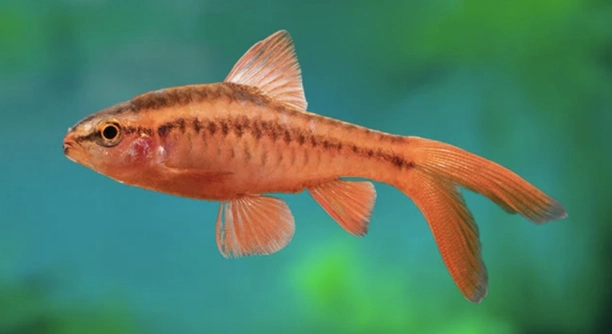
Cherry Barbs are a popular fish in many aquariums, known for their bright, vibrant colors. However, over time, these colors can fade, which can be concerning to any aquarium owner. Understanding the causes of color fading can help maintain their beauty.
Color fading in Cherry Barbs can result from factors such as water quality, diet, stress, lighting, and genetics. Each of these elements plays a significant role in the overall health and appearance of the fish.
By addressing these causes, you can work to restore and maintain your Cherry Barb’s natural colors. Knowing what to look for is key to preventing further fading.
Poor Water Quality
Water quality is one of the most significant factors that can lead to color fading in Cherry Barbs. Fish depend on clean, stable water to thrive. When water conditions deteriorate, it can lead to stress, which causes a noticeable decline in the fish’s appearance. Ammonia, nitrites, and nitrates are some common water pollutants that harm fish. High levels of these substances can directly affect the health of Cherry Barbs, resulting in duller colors. To keep your Cherry Barbs vibrant, regular water changes are essential. You should also monitor the water parameters to ensure they are within the ideal range for this species. Cherry Barbs thrive in water with a pH between 6.5 and 7.5 and a temperature between 74°F and 79°F. Proper filtration also plays a crucial role in maintaining water quality and ensuring your fish stay healthy.
Maintaining optimal water conditions is essential for keeping your Cherry Barbs colorful and healthy. Regular maintenance can prevent most of the common issues that lead to color fading.
Ensure you test your water frequently to monitor ammonia, nitrate, and nitrite levels. Keeping track of these factors will help you quickly address any water quality issues, ensuring the longevity of your fish’s vibrant colors.
Inadequate Diet
An improper diet can also lead to fading colors in Cherry Barbs. These fish need a balanced, nutrient-rich diet to maintain their health and vibrancy. If they are fed low-quality food or lack specific nutrients like carotenoids, their color may lose intensity. Carotenoids, which are found in foods like brine shrimp, daphnia, and high-quality fish flakes, are essential for bright red and orange hues. A lack of these nutrients can result in a duller, more washed-out appearance. Regularly feeding Cherry Barbs a variety of quality food can ensure they get the proper nutrients they need. Additionally, make sure the food is fresh and free of artificial fillers. A well-rounded diet will not only help maintain their vibrant colors but will also support their overall health.
Proper nutrition plays a key role in the fish’s health and vibrancy. A varied and balanced diet ensures the colors stay vibrant and full.
By offering a mix of foods rich in carotenoids and other essential nutrients, you can prevent color fading and support the long-term health of your Cherry Barbs.
Stress
Stress can have a significant impact on Cherry Barbs’ colors. When these fish are stressed, their vibrant hues can fade as their bodies redirect energy to manage the stress rather than maintain color intensity. Stress can be caused by overcrowding, aggression from tank mates, sudden changes in water conditions, or inadequate hiding spots. If a Cherry Barb feels threatened or uncomfortable, it may not show its brightest colors. To minimize stress, ensure that the aquarium is well-maintained, with proper filtration, and that tank mates are peaceful. Also, avoid sudden temperature or water parameter changes.
Tank size and stocking density are crucial factors to consider when reducing stress. Cherry Barbs should not be overcrowded, as this can increase the likelihood of stress and aggression. Providing enough space allows them to swim freely and feel secure. Additionally, ensure that the tank includes hiding places like plants or decorations. These help the Cherry Barbs feel safe and reduce stress-related color fading.
Providing a stable environment is essential for maintaining the colors of Cherry Barbs. By minimizing stress and ensuring they have a peaceful, comfortable environment, you can help preserve their natural hues. Avoiding abrupt changes in their surroundings can prevent unnecessary stress.
Lighting
Lighting plays a key role in how vibrant your Cherry Barbs appear. Bright, direct lighting can sometimes make colors look duller if not used correctly. If the aquarium is too brightly lit, the fish might appear washed out due to the intensity. On the other hand, low lighting can prevent your Cherry Barbs from displaying their full color potential. Try to provide moderate, indirect lighting for the tank to help bring out the natural vibrancy of your fish.
A good balance of light and shade is essential for your Cherry Barbs’ color expression. It’s important to use appropriate aquarium lights and regulate the light intensity to avoid overexposure. LED lights with adjustable settings are a good choice, as they allow you to control the brightness and spectrum. If possible, replicate the lighting conditions found in their natural habitat to ensure they feel comfortable and display the brightest colors.
Too much light can cause stress and diminish the fish’s appearance. Providing the right lighting helps maintain healthy, vibrant colors. Aim for a lighting schedule that mimics a day-night cycle and maintains proper intensity.
Genetics
Genetics also play a major role in the coloration of Cherry Barbs. Some fish naturally have more intense hues, while others may have more muted colors due to their genetic makeup. A fish’s genetic background can influence its ability to produce vibrant colors, even when environmental factors are ideal.
Even with optimal care, Cherry Barbs from certain genetic lines might not show the same vibrant colors as others. If a fish has inherited genes that produce less intense pigmentation, it might never reach the full potential of brighter hues. While genetics can’t be changed, proper care can help enhance the fish’s natural color as much as possible.
Understanding the genetic factors of your Cherry Barbs can give you realistic expectations. It’s important to note that color intensity can vary from fish to fish, and some fading may just be due to genetics.
Aging
As Cherry Barbs age, their colors may naturally fade. Older fish tend to lose some of their vibrancy, which is a normal part of the aging process. As they grow older, their metabolism slows down, and they may not produce as many pigments, leading to a duller appearance.
To help maintain the color of aging Cherry Barbs, focus on keeping their living environment stable and free of stress. Ensure their diet is rich in the nutrients that support healthy pigmentation. Though aging can naturally dull their colors, proper care can slow down the process and keep them looking good for longer.
Aging can result in subtle color changes, but a healthy environment can help maintain their vibrancy for as long as possible.
Tank Size
The size of your aquarium can significantly impact the health and coloration of your Cherry Barbs. If the tank is too small, the fish can become stressed due to limited swimming space. Overcrowding may also lead to aggression, further stressing the fish and causing their colors to fade.
Providing an appropriately sized tank allows Cherry Barbs to swim freely and feel comfortable, reducing stress. A 20-gallon tank is recommended for a small group of Cherry Barbs, providing enough space for them to thrive. A larger tank also helps maintain water quality, preventing pollutants from building up and affecting the fish’s health and color.
The right tank size is essential for promoting a stress-free environment where your Cherry Barbs can maintain their vibrant colors.
FAQ
Why do Cherry Barbs lose their colors?
Cherry Barbs lose their colors due to various factors such as poor water quality, inadequate diet, stress, incorrect lighting, aging, and genetics. If any of these aspects are not properly managed, it can cause the fish to become dull and less vibrant. Stress from overcrowding, aggression from tank mates, or sudden changes in water conditions can also contribute to color fading. Additionally, poor nutrition, especially a lack of carotenoids, can cause their red and orange hues to diminish.
Can Cherry Barbs’ colors be restored?
Yes, in many cases, Cherry Barbs’ colors can be restored with proper care. Improving water quality, adjusting lighting, offering a better diet, and reducing stress can help bring back their vibrant colors. It may take some time, but with consistent care, you can see noticeable improvements in their appearance. Regular water changes, the right temperature, and a balanced diet rich in carotenoids, such as brine shrimp and daphnia, are key steps.
How can I improve the colors of my Cherry Barbs?
To improve the colors of your Cherry Barbs, focus on ensuring they live in a stress-free environment with proper water conditions. Maintain clean water with stable temperature levels, avoid overcrowding, and provide appropriate tank mates. Offer a varied and nutritious diet rich in carotenoids to enhance their natural pigmentation. Additionally, keep the tank’s lighting moderate, as extreme lighting can either fade or wash out their colors.
What type of food should I feed my Cherry Barbs to maintain their color?
Cherry Barbs need a diet that includes food rich in carotenoids to maintain their vibrant colors. Foods like high-quality fish flakes, brine shrimp, daphnia, and bloodworms are excellent choices. These foods contain the pigments necessary to enhance red and orange hues. A varied diet will also help keep your Cherry Barbs healthy overall, boosting their color and well-being. Avoid low-quality food, as it may not provide the right nutrients.
How does water quality affect the color of Cherry Barbs?
Water quality is crucial for the health and appearance of Cherry Barbs. Poor water conditions, such as high levels of ammonia, nitrites, or nitrates, can cause stress, leading to color fading. Regular water changes, proper filtration, and testing water parameters frequently will help maintain clean water and keep your fish healthy. Cherry Barbs thrive in water with a pH of 6.5–7.5, a temperature of 74°F to 79°F, and low levels of harmful chemicals.
Can lighting affect the color of my Cherry Barbs?
Yes, lighting plays an important role in the vibrancy of Cherry Barbs. Too much light can cause the colors to appear washed out, while too little can prevent them from showing their full color potential. It’s best to use moderate lighting and provide a day-night cycle that mimics their natural habitat. Adjustable LED lighting can give you more control over intensity, which can help you find the right balance for your fish.
Do Cherry Barbs’ colors fade as they age?
As Cherry Barbs age, their colors can naturally fade. Older fish may lose some of the intensity in their red and orange hues as their metabolism slows down, and they produce fewer pigments. While you can’t prevent this process, proper care, such as maintaining water quality and providing a good diet, can slow down the fading. It’s important to keep the tank environment stable, as older fish are more susceptible to stress.
Can stress cause my Cherry Barbs to lose their color?
Stress is one of the leading causes of color fading in Cherry Barbs. Factors such as overcrowding, aggressive tank mates, or abrupt changes in water conditions can stress your fish and cause them to lose their vibrancy. To prevent stress, keep the tank size appropriate for the number of fish, ensure peaceful tank mates, and maintain stable water parameters. Providing hiding spots or plants will also help your Cherry Barbs feel safe and reduce stress.
What water temperature is best for Cherry Barbs?
Cherry Barbs thrive in water temperatures between 74°F and 79°F. Staying within this range will keep them healthy and vibrant. Temperatures that are too high or too low can lead to stress, which may result in color fading. It’s also important to avoid sudden temperature fluctuations, as these can be harmful to your fish. A reliable aquarium heater can help maintain the proper temperature.
Can poor tank size affect my Cherry Barb’s color?
Yes, a small or overcrowded tank can stress your Cherry Barbs, leading to dull colors. Cherry Barbs need adequate space to swim freely and feel secure. A 20-gallon tank is ideal for a small group of Cherry Barbs. Overcrowding increases the likelihood of aggression and stress, which can cause their colors to fade. Proper tank size also helps maintain water quality, which further supports the fish’s health and coloration.
Are Cherry Barbs sensitive to light?
Cherry Barbs are somewhat sensitive to light. Too much direct light can cause their colors to appear washed out or faded. It’s best to provide moderate lighting that mimics the natural environment of these fish. You can achieve this with adjustable LED lights to control the intensity and ensure the right balance. Keeping a consistent light schedule, similar to a day-night cycle, will also help your fish thrive and display vibrant colors.
Why are my Cherry Barbs not showing their full colors?
Several factors could be preventing your Cherry Barbs from showing their full colors. Poor water quality, inadequate diet, stress, or even genetics could be to blame. Make sure you maintain clean water, provide a nutrient-rich diet, and reduce stressors like overcrowding or aggressive tank mates. If these elements are well-managed, your fish should display their natural hues. However, some Cherry Barbs may not show intense colors due to their genetic makeup.
Final Thoughts
Color fading in Cherry Barbs is a common issue that many aquarium owners face. Several factors contribute to this problem, including poor water quality, stress, inadequate diet, lighting, and even genetics. Each of these factors can affect the health and vibrancy of the fish. By understanding the causes, you can take the necessary steps to improve the living conditions of your Cherry Barbs and help restore their natural colors. Whether it’s adjusting water parameters, providing a balanced diet, or reducing stress, all of these measures play a role in maintaining healthy, colorful fish.
Maintaining clean water and proper filtration is one of the most important aspects of keeping your Cherry Barbs vibrant. Regular water changes, checking for harmful chemicals, and keeping the tank at the right temperature will help your fish thrive. Proper nutrition is also key. A diet rich in carotenoids will enhance their red and orange hues, ensuring they remain colorful. Providing a peaceful, spacious environment with minimal stress will also allow your Cherry Barbs to show their brightest colors. With proper care, these fish can maintain their beauty for a long time.
However, it’s important to remember that some degree of color fading may be natural, especially as the fish age. Genetics can also play a part, meaning some Cherry Barbs may never display as intense colors as others. Despite this, with the right environment, you can still enhance their appearance and overall health. By taking steps to reduce stress, improve water quality, and offer a balanced diet, you can give your Cherry Barbs the best chance to stay vibrant and healthy for years to come.

Hello,
If you enjoy the content that we create, please consider saying a "Thank You!" by leaving a tip.
Every little bit helps us continue crafting quality advice that supports the health, happiness, and well-being of pets around the world, for pets of all shapes, sizes, and species.
We really appreciate the kindness and support that you show us!