
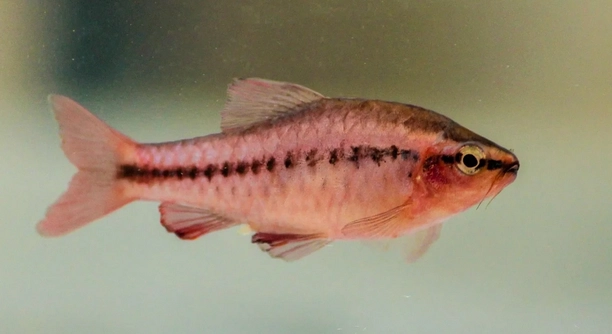
Cherry Barbs are a popular choice for freshwater aquariums due to their vibrant colors and peaceful nature. However, during spawning season, their behavior changes. Understanding this process is important for any aquarium enthusiast looking to care for these fish properly.
During spawning, Cherry Barbs undergo several changes in behavior and physical appearance. Males become more vibrant in color, and they chase females to encourage breeding. The females lay eggs on plants or other surfaces, which the male fertilizes.
These changes in behavior are fascinating to observe. Understanding how Cherry Barbs react during this time will help ensure a healthy spawning environment and provide valuable insights into the breeding habits of these colorful fish.
Spawning Behavior of Cherry Barbs
When Cherry Barbs enter spawning season, males become more active, chasing females throughout the tank. Their colors become more vivid, a clear indication that they are ready to breed. During this period, males will court females by performing specific movements, such as darting and displaying their colors. The behavior is not just limited to chasing; the males will also guide the females towards suitable areas for egg-laying. These areas often include plants with broad leaves or decorations where eggs can be safely attached. The process is typically initiated by the male’s intense chasing, prompting the female to release eggs.
During this time, males may become aggressive toward each other, competing for the attention of females. This competition is part of the natural breeding process, ensuring that the most dominant males get the opportunity to fertilize the eggs.
Understanding these behaviors can help aquarium owners manage their environment, ensuring the safety of the fish during spawning. Monitoring water temperature and keeping the tank well-planted can encourage successful breeding without undue stress.
What to Expect After Spawning
Once the eggs are fertilized, they hatch within a few days. The newly hatched fry are incredibly small and will remain in hiding for a while. To increase the chances of successful survival, it’s crucial to avoid disturbing them.
After hatching, the fry will start feeding on tiny particles or infusoria. The parents may not show much interest in caring for them, leaving the fry to fend for themselves. During this period, aquarium owners need to provide extra care by offering suitable food and maintaining a stable environment to support the growing fish.
Tank Setup for Spawning
A proper tank setup is essential for successful spawning. Adding live plants will provide a natural environment for the fish, giving them a place to lay eggs. Additionally, soft water with a temperature between 76-80°F (24-27°C) is ideal for encouraging breeding. It’s also important to maintain clean water by performing regular water changes to avoid stress during this period.
Keeping the tank well-maintained and adding fine-leafed plants like Java Moss can help mimic the natural breeding environment for Cherry Barbs. A breeding box can also be helpful for separating the eggs and protecting them from adult fish that might eat them.
For Cherry Barbs to spawn successfully, it’s important to ensure they feel comfortable. Avoid placing aggressive tank mates that could create unnecessary stress. A calm, peaceful environment will encourage the Cherry Barbs to focus on breeding instead of competing for space or resources.
Water Quality and Temperature
Water quality is crucial when breeding Cherry Barbs. Keep the water parameters stable, as fluctuations can stress the fish and hinder spawning. The water should be slightly acidic, with a pH between 6.5 and 7.0, to ensure proper egg development.
Temperature plays a significant role in breeding success. Keeping the tank within the ideal range of 76-80°F (24-27°C) stimulates the Cherry Barbs to spawn. Warmer temperatures can trigger the fish to become more active, encouraging mating behaviors. However, be careful not to overheat the water, as temperatures above 80°F (27°C) can stress the fish and impact their health.
Male and Female Behavior During Spawning
Male Cherry Barbs are more active and vibrant during spawning. They chase females, display their colors, and swim in circles to attract them. The males often dart around the females to guide them to the best spots for laying eggs. This behavior increases during the breeding season.
Females, on the other hand, tend to be more passive during this period. They focus on laying eggs in the designated areas. After spawning, they often hide or retreat, allowing the males to fertilize the eggs. The females’ behavior signals readiness for reproduction.
Egg Laying and Fertilization
Eggs are typically laid on plants or surfaces like decorations. After the female releases the eggs, the male fertilizes them through external fertilization. The eggs remain attached to these surfaces until they hatch, usually within 24-48 hours. During this time, it’s important to avoid disturbing the area.
The fertilization process is rapid. The male’s role is crucial, as he follows closely behind the female to ensure fertilization occurs immediately after the eggs are laid. Keeping the water clean and the environment undisturbed helps protect the eggs from fungal infections and ensures healthy fry development.
Post-Spawning Care
After spawning, remove adult Cherry Barbs from the tank if you want to protect the eggs and fry. Adults may consume the eggs, which could impact the survival rate. Leave the eggs in peace to hatch undisturbed.
Providing a consistent and calm environment helps the fry thrive. Avoid adding new fish to the tank during this time to reduce stress.
FAQ
What is the best temperature for Cherry Barb spawning?
The ideal temperature for Cherry Barbs to spawn is between 76-80°F (24-27°C). This range encourages their natural mating behavior and ensures that the eggs will develop properly. If the temperature is too low, the fish may not spawn, and if it’s too high, it can stress the fish and cause issues with egg development.
How can I tell if my Cherry Barbs are ready to spawn?
You can tell if your Cherry Barbs are ready to spawn by observing their behavior. Male Cherry Barbs will become more vibrant in color and chase the females around the tank. They will display aggressive, courting behaviors, like darting around the females, while the females become more passive. If you notice this behavior, it’s a good sign they are ready to breed.
How long does it take for Cherry Barb eggs to hatch?
Cherry Barb eggs typically hatch within 24-48 hours after fertilization. During this time, the eggs should be left undisturbed to prevent damage or infection. The fry will stay hidden in the tank until they are ready to start swimming freely, which usually occurs a few days after hatching.
What should I feed Cherry Barb fry after they hatch?
Once the fry have hatched, you should feed them small, nutritious food like infusoria or finely powdered fish food. As they grow, you can introduce baby brine shrimp or finely crushed flakes. Keep the feeding schedule consistent to support their growth during the early stages.
Can I keep the adult Cherry Barbs with the fry?
It’s generally recommended to remove the adult Cherry Barbs after spawning to protect the eggs and fry. Adults may eat the eggs or newly hatched fry. Once the fry are large enough to swim freely, you can reintroduce the adults to the tank, but it’s best to wait until the fry are stronger and less vulnerable.
How can I prevent Cherry Barbs from eating their eggs?
To prevent the adults from eating the eggs, you can use a breeding trap or a separate tank. After spawning, transfer the eggs to a safer environment where the adults cannot access them. If you prefer to leave the eggs in the main tank, be sure to have enough hiding spots and plants to protect them.
What water conditions are best for Cherry Barb breeding?
Cherry Barbs breed best in slightly acidic water with a pH level between 6.5 and 7.0. The water should be clean, with regular water changes to ensure there is no build-up of harmful chemicals. Soft to moderately hard water is ideal for the breeding process. Keeping the water stable and free from contaminants will promote successful spawning.
Do Cherry Barbs need a breeding partner?
Yes, Cherry Barbs are not solitary breeders. A male and a female are necessary for the breeding process to occur. During spawning, the males will court the females, and once fertilization happens, the female will release the eggs. Having multiple males and females can increase the chances of successful spawning.
Can Cherry Barbs breed in a community tank?
Yes, Cherry Barbs can breed in a community tank, but it’s important to create the right conditions for them to spawn. You may need to separate them from other fish that could harm the eggs or fry. To encourage breeding, make sure there are plenty of plants and hiding spots in the tank, and maintain optimal water parameters.
How do I encourage Cherry Barbs to spawn?
To encourage Cherry Barbs to spawn, simulate the conditions of their natural breeding environment. Keep the water temperature between 76-80°F (24-27°C) and maintain slightly acidic water. Adding live plants, such as Java Moss, can help mimic their natural habitat. You can also slightly increase the water’s hardness to trigger spawning behavior. Providing a balanced diet of high-quality food will also help them breed successfully.
How long does the Cherry Barb spawning season last?
The Cherry Barb spawning season varies depending on water temperature and environment, but it typically lasts for a few weeks. Males and females may spawn multiple times during this period, and once spawning is complete, the fish will usually return to their normal behavior. The process can happen once or twice a year, depending on conditions.
Are Cherry Barbs easy to breed in captivity?
Cherry Barbs are relatively easy to breed in captivity if their environment is set up correctly. They do not require specific breeding tanks or complex procedures, but providing stable water conditions, proper temperature, and hiding spots for eggs will significantly increase your chances of successful spawning.
Do I need a special breeding tank for Cherry Barbs?
A special breeding tank is not always necessary for Cherry Barbs, but it can help ensure successful spawning. A breeding trap or a separate tank with soft, clean water and lots of plants will provide a safer environment for the eggs and fry. However, if you have a well-maintained community tank, Cherry Barbs can still breed there with the right precautions.
Can Cherry Barbs spawn in colder water?
Cherry Barbs prefer warmer water temperatures, and cold water can hinder spawning. If the water temperature is too low, the fish may not breed, or the eggs may fail to develop properly. It’s important to keep the water within the ideal range of 76-80°F (24-27°C) for the best chance of successful spawning.
How do I care for Cherry Barb fry?
After the fry hatch, ensure they have access to tiny food sources like infusoria or baby brine shrimp. Keep the water conditions stable and make sure the fry are not exposed to any predators. As they grow, gradually introduce larger foods and give them plenty of space to swim freely. Make sure to monitor their growth and health regularly to ensure their survival.
Final Thoughts
Cherry Barbs are relatively easy to care for, and breeding them can be a rewarding experience. When provided with the right conditions, these fish will spawn naturally. Ensuring a stable environment with the correct water temperature and pH is essential. Males and females will typically display clear courting behavior when ready to breed, making it easy to identify when the process is about to begin. The use of live plants and proper tank maintenance will also help create a safe space for the eggs and the developing fry.
Once the spawning has occurred, careful attention to the care of the fry is important. It’s crucial to maintain clean water and provide appropriate food to help the fry grow. Separating the adults from the eggs and fry can prevent them from eating the young, ensuring a better survival rate. Regular water changes are also essential, as clean water promotes healthy development. As the fry grow, they will gradually start eating larger foods and exploring the tank, at which point they can be reintroduced into the main tank if desired.
Overall, breeding Cherry Barbs is a straightforward process with a little preparation and attention to detail. It’s important to stay patient and observe the behavior of your fish closely. By offering the right environment and following the steps outlined above, you can enjoy watching the beautiful Cherry Barb fry grow and thrive in your tank. This experience not only enhances your understanding of these fish but also adds a new layer of enjoyment to keeping them as pets.

Hello,
If you enjoy the content that we create, please consider saying a "Thank You!" by leaving a tip.
Every little bit helps us continue crafting quality advice that supports the health, happiness, and well-being of pets around the world, for pets of all shapes, sizes, and species.
We really appreciate the kindness and support that you show us!