
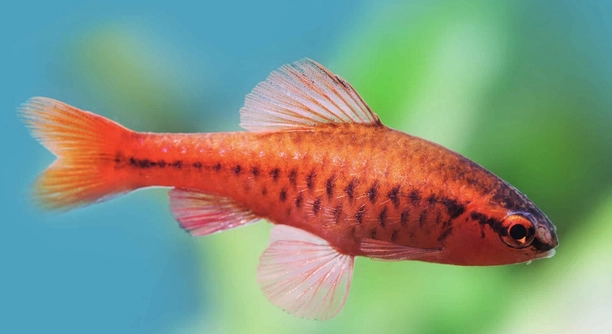
Setting up a healthy and thriving tank for Cherry Barbs requires some careful consideration. These small, active fish are a beautiful addition to any aquarium, but they have specific needs to stay happy and healthy.
Creating a suitable environment for Cherry Barbs involves proper water conditions, a well-balanced diet, appropriate tank mates, and the right amount of space. Ensuring these factors are met will keep your Cherry Barbs healthy and stress-free in their home.
By considering these essentials, you’ll be able to create an environment that promotes both the well-being of your Cherry Barbs and the overall aesthetic of your aquarium.
The Importance of Water Quality
Water quality is essential for Cherry Barbs. These fish thrive in clean, stable environments with specific water parameters. They prefer slightly acidic to neutral water (pH 6.5–7.5), and the temperature should be between 74–80°F (23–27°C). Poor water quality can lead to stress and illness, so regular water changes are a must. You should also monitor ammonia, nitrite, and nitrate levels. Ammonia and nitrites should always be at zero, while nitrates should stay below 20 ppm. Filtration is key to maintaining water quality, but it should not be too strong, as Cherry Barbs are small and can be pushed around in strong currents.
Maintaining stable water conditions is more than just checking the basics. Regular testing, using a good water filter, and making sure the water temperature is constant are all part of the process. This ensures your Cherry Barbs are living in the best environment possible.
Investing in water conditioners and adding plants to your tank can also help keep the water clean. The plants will absorb excess nutrients and provide hiding spots for the fish. A balanced environment will lead to happy, healthy Cherry Barbs who feel comfortable and safe in their habitat.
Proper Tank Size
A proper tank size is critical for Cherry Barbs. They need space to swim and explore, and a cramped environment will lead to stress and poor health.
A 20-gallon tank is the minimum size for a group of Cherry Barbs. While they are small fish, they are active and need enough space to move around. Overcrowding can lead to aggression and territorial issues. Adding plants and decorations will help create a natural, stimulating environment.
More space also helps maintain stable water conditions. Smaller tanks are harder to keep balanced, as water parameters can change more quickly. A larger tank provides more room for filtration and oxygen exchange, making it easier to keep the water quality in check.
Diet and Nutrition
Cherry Barbs are not picky eaters, but providing a varied diet is key to their health. A mix of high-quality flakes, pellets, and occasional live or frozen food like brine shrimp or daphnia works best. It ensures they get all the nutrients needed to thrive.
While they’ll eat almost anything, a balanced diet promotes bright colors and active behavior. Feeding them twice a day is usually sufficient. Overfeeding can lead to water quality issues, so be mindful of the amounts you provide. A good rule of thumb is to only feed what they can consume in 2–3 minutes.
Be sure to include some plant matter in their diet, like algae wafers or blanched vegetables. This helps to keep them in optimal health and encourages natural behavior like foraging. Offering variety not only supports their well-being but also enhances their long-term growth and vitality.
Tank Mates
Cherry Barbs are peaceful fish, but choosing the right tank mates is crucial for their happiness. They do well with other small, non-aggressive species.
Avoid placing them with larger, more aggressive fish that may stress or harm them. Good tank mates include other barbs, tetras, or small catfish. Avoid fish that nip fins or compete for food aggressively.
When choosing tank mates, consider the water parameters that all fish need. Cherry Barbs prefer slightly acidic to neutral water, so picking other species that share similar conditions will ensure harmony. A peaceful community tank benefits everyone.
Lighting Needs
Cherry Barbs prefer moderate lighting. Too much light can stress them out, while too little can affect plant growth in the tank.
A gentle light will help maintain a balanced environment, promoting plant health and reducing stress for your fish. Keeping a day-night cycle with 8-10 hours of light is ideal.
Having proper lighting also encourages natural behaviors like foraging and swimming in the open. It mimics their natural environment and provides a sense of security. Avoid harsh lighting that can cause algae blooms or discomfort to your Cherry Barbs.
Filtration
A reliable filtration system is essential for maintaining clean water. Cherry Barbs need stable water conditions, and a good filter helps achieve this.
Pick a filter that’s gentle but effective, as Cherry Barbs can’t handle strong currents. It should be able to handle the size of your tank while maintaining clear water. Regular filter maintenance is necessary for best results.
Temperature Control
Cherry Barbs thrive in warm water, so maintaining a consistent temperature between 74°F and 80°F is key to their health.
A reliable heater is a must for keeping the temperature stable, especially in cooler environments. Rapid temperature changes can stress out your fish and make them vulnerable to illness.
FAQ
Do Cherry Barbs need a heater?
Yes, Cherry Barbs need a heater to maintain a stable water temperature. They thrive in water temperatures between 74°F and 80°F. Without a heater, temperature fluctuations can cause stress, leading to weakened immune systems and potential health issues. A reliable aquarium heater will help ensure their well-being.
What size tank is best for Cherry Barbs?
A 20-gallon tank is the minimum recommended size for a group of Cherry Barbs. They are small but active fish that need space to swim. Overcrowding can lead to stress and aggressive behavior. A larger tank with enough swimming space also helps maintain stable water conditions.
Can Cherry Barbs live with other fish?
Yes, Cherry Barbs are peaceful and can live with a variety of other small, non-aggressive fish. Good tank mates include other barbs, tetras, and small catfish. Avoid placing them with larger or aggressive fish that may stress them out. Peaceful community tanks are ideal.
How often should I feed Cherry Barbs?
Cherry Barbs should be fed twice a day. Give them only as much food as they can consume in 2-3 minutes. Overfeeding can lead to poor water quality and health problems. A varied diet of high-quality flakes, pellets, and occasional live or frozen foods will keep them healthy and active.
Are Cherry Barbs hardy fish?
Cherry Barbs are relatively hardy and can adapt to a range of water conditions. However, they still require stable water quality and proper care. If the water quality isn’t maintained or if they’re kept in a stressful environment, they can become sick. Regular water changes and proper tank maintenance are essential.
Can Cherry Barbs live in a tank without plants?
While they can survive in a tank without plants, Cherry Barbs thrive when there are plants. Plants provide hiding spots, reduce stress, and help maintain water quality by absorbing excess nutrients. They also give Cherry Barbs a more natural and comfortable environment.
Do Cherry Barbs need a lot of space to swim?
Yes, Cherry Barbs are active swimmers and need ample space to move around. A tank that’s too small will stress them out and lead to territorial issues. A 20-gallon tank is the minimum recommended size for a group, but more space is always better.
What water conditions do Cherry Barbs prefer?
Cherry Barbs prefer slightly acidic to neutral water with a pH of 6.5–7.5. The water temperature should be between 74°F and 80°F. They also prefer soft to moderately hard water. Regular testing and water changes help keep these parameters stable and ensure the health of your fish.
How do I prevent diseases in Cherry Barbs?
Maintaining good water quality is the key to preventing diseases. Regular water changes, proper filtration, and avoiding overcrowding are essential. You should also monitor your fish regularly for any signs of illness, such as unusual behavior or physical symptoms. Quarantining new fish before introducing them to the tank can also reduce the risk of disease.
Can Cherry Barbs breed in captivity?
Yes, Cherry Barbs can breed in captivity. However, breeding them requires some effort. You’ll need a separate breeding tank with soft, slightly acidic water. The female will lay eggs on plants or surfaces, and the male fertilizes them. After the eggs hatch, the fry will need separate care until they are big enough to join the main tank.
How can I tell if a Cherry Barb is male or female?
Male Cherry Barbs are typically more colorful than females, with bright red and orange hues on their bodies, especially around the belly. Females are usually duller, with more of a transparent or pale color. During breeding season, the males’ colors become more vibrant, making it easier to distinguish them.
Can Cherry Barbs jump out of the tank?
While Cherry Barbs are not known to be big jumpers, they can still leap out of the tank if the water level is too low. To prevent this, make sure there’s a lid or cover on your aquarium, especially if the water level is near the top. This will keep your fish safe from escaping.
What is the lifespan of Cherry Barbs?
Cherry Barbs typically live for about 3 to 5 years when properly cared for. With stable water conditions, a balanced diet, and proper tank maintenance, they can live longer. Regular monitoring of water parameters and health checks will help them live a long and happy life.
Do Cherry Barbs get along with each other?
Yes, Cherry Barbs are social fish and do well in groups. They feel more secure and display more natural behavior when kept in groups of at least 5 to 6 individuals. Keeping them in a group also helps spread out any aggression and provides a more dynamic environment.
Final Thoughts
Cherry Barbs are relatively easy to care for, making them an excellent choice for beginner aquarium enthusiasts. With the right tank setup, attention to water quality, and a balanced diet, they can live a long and healthy life. These small, colorful fish add beauty and movement to any aquarium, while their peaceful nature makes them great additions to community tanks. Proper care, including maintaining stable water conditions and choosing compatible tank mates, will ensure they thrive in their environment.
The most important aspects to remember when caring for Cherry Barbs are water quality, space, and diet. Regular water changes, a reliable filter, and consistent temperature control are essential for creating a healthy environment. Cherry Barbs do best in a well-maintained tank where water parameters remain stable. Additionally, they need enough space to swim and explore, so it’s crucial to avoid overcrowding. Providing a variety of foods, including high-quality flakes, pellets, and occasional live or frozen treats, will keep them healthy and active.
By understanding their needs and creating an ideal living space, Cherry Barbs can bring joy and color to your aquarium for years to come. Whether you’re a beginner or a more experienced aquarium keeper, these fish offer a rewarding experience. They are easy to care for as long as their basic requirements are met. With a bit of attention and care, your Cherry Barbs will flourish, creating a peaceful and vibrant aquatic environment.

Hello,
If you enjoy the content that we create, please consider saying a "Thank You!" by leaving a tip.
Every little bit helps us continue crafting quality advice that supports the health, happiness, and well-being of pets around the world, for pets of all shapes, sizes, and species.
We really appreciate the kindness and support that you show us!