
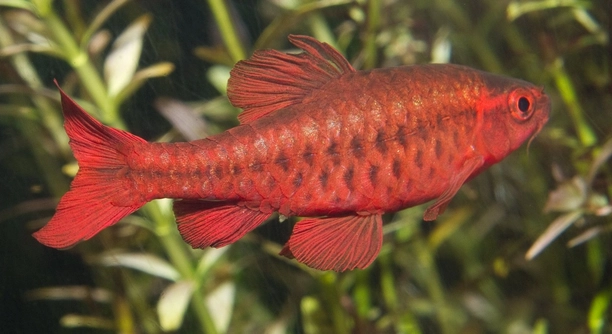
Cherry barbs are small, peaceful freshwater fish often kept in aquariums. If you’re a fish owner, you might worry about how they handle sudden changes in their environment, especially when something goes wrong with the filter.
Cherry barbs can survive a filter malfunction for a short period, but prolonged exposure to dirty water can harm their health. The filter is essential for keeping the water clean, so it’s crucial to fix the issue quickly.
Knowing how to manage a filter malfunction can help you avoid unnecessary stress for your fish. Let’s explore the best steps to ensure their safety and well-being during a filter issue.
What Happens When the Filter Malfunctions?
When your filter stops working, it’s more than just an inconvenience. It means the water in your aquarium won’t be properly filtered, and toxins like ammonia and nitrites can build up. This can lead to poor water quality, which harms the health of your cherry barbs. Without the filter, the beneficial bacteria that help break down waste will also be affected. As a result, your fish may become stressed, or worse, sick. In the short term, cherry barbs can survive in unfiltered water, but over time, the water quality will deteriorate, making it unsafe for them.
If you notice your filter isn’t working, act fast. Cherry barbs can handle a few hours without a filter, but after that, the situation gets riskier.
To prevent long-term damage, you’ll need to take quick action. Adding an air stone can provide temporary oxygen to the water, but it won’t replace the filtration system entirely. Keep an eye on your fish, and if the filter stays broken, it’s vital to replace it as soon as possible.
How to Protect Your Fish Until the Filter Is Fixed
If your filter breaks, the first thing to do is keep the water as clean as possible.
You can manually remove any debris or waste using a net, and do partial water changes to keep the water fresh. It’s also important to monitor the water’s ammonia and nitrite levels regularly. Consider using a water test kit to check the quality and act quickly if levels start rising. If you have a backup filter, now is the time to use it.
Without the proper filtration, cherry barbs are at risk of suffering from poor water quality. This can lead to stress, disease, or even death if not managed. While your fish can survive for short periods without a working filter, it’s critical to act swiftly. A temporary fix like manual cleaning and water changes can help, but these measures are no substitute for a functioning filter. You’ll need to prioritize replacing or repairing your filter to ensure the health and safety of your fish.
What to Do If You Can’t Fix the Filter Right Away
If your filter can’t be repaired immediately, you’ll need to take extra steps to ensure your fish stay healthy. Cherry barbs are resilient, but they need clean water to thrive.
In the short term, using a bucket or container to house your fish can help. This temporary solution gives you the chance to replace or fix the filter while keeping the fish in a clean environment. You’ll still need to perform water changes regularly to keep the water quality high.
If you have no extra filter, you can use an air pump to keep oxygen levels up in the temporary tank. It’s essential to avoid overcrowding, as this can lead to even more waste, which worsens water quality. While the filter isn’t in place, keeping your fish in a smaller space can help manage waste levels. Keep the temperature stable and check the water daily.
How to Prevent Future Filter Failures
To avoid filter malfunctions in the future, regular maintenance is key. Clean the filter every month to ensure it continues working efficiently.
Make sure to remove any debris or dirt build-up from the filter parts to prevent clogging. Check the filter’s motor to ensure it’s functioning properly. If you notice any unusual sounds or drops in flow, it could indicate a potential issue, so addressing it quickly can prevent further damage. Replacing worn-out parts, like the filter media or impeller, can also prolong the filter’s lifespan.
Additionally, keep an eye on the water levels in your tank. A filter can struggle if the water is too low or the intake is blocked. Ensuring the filter is the right size for your tank size will also help. Regular checks and cleaning will extend the filter’s life and improve the overall health of your aquarium environment.
How to Spot Early Signs of Stress in Cherry Barbs
Cherry barbs are sensitive to poor water conditions, and stress can show in various ways. Keep an eye on your fish for any changes in behavior.
If they start hiding more than usual or swimming erratically, it could indicate stress. Additionally, loss of color or faded fins is another sign to watch for. These can all be signs that the water is becoming unhealthy.
To prevent these issues, check the water regularly, especially during a filter malfunction. Quick action can help reduce the risk of long-term damage to your fish’s health.
The Role of Water Quality in Fish Health
Water quality is crucial for the well-being of your cherry barbs. Ammonia, nitrites, and nitrates can quickly build up in unfiltered water, causing harm to your fish.
Testing the water is the most reliable way to monitor the levels of harmful substances. When the filter isn’t working, perform water changes more often to reduce these toxins. A simple water test kit can be a lifesaver in situations like this. Clean water helps maintain the overall health of your fish and keeps them active and colorful.
The Importance of Proper Tank Setup
A proper tank setup is vital for cherry barbs, especially when dealing with filter malfunctions.
Ensure there’s enough space for your fish and that the tank is properly decorated. A well-planted aquarium can help absorb some of the excess nutrients and support water quality.
FAQ
Can cherry barbs survive without a filter?
Yes, cherry barbs can survive without a filter for a short time, but it’s not ideal. The filter plays a crucial role in maintaining water quality by removing toxins and waste. Without it, ammonia and nitrites can build up quickly, causing stress and potential harm to the fish. If the filter fails, it’s essential to act quickly by doing regular water changes to keep the water clean. The longer the fish stay in unfiltered water, the higher the risk of disease or death.
How long can cherry barbs live without a filter?
Cherry barbs can survive up to a few days without a filter, but their health will decline rapidly after that. The key factors are water quality and oxygen levels. If the filter breaks, you should immediately take steps to manually clean the water and possibly provide temporary filtration or aeration. However, without proper filtration, the water will quickly become toxic, which will eventually lead to the fish’s death if not addressed.
What should I do if my filter breaks?
If your filter breaks, first check if you can repair it. If the filter is beyond repair, move your fish to a separate container with clean water. While the filter is being fixed, make sure to do frequent water changes, ideally every 12–24 hours. Also, consider using an air pump to keep oxygen levels up. Keep an eye on your fish for any signs of stress, such as erratic swimming or loss of color. If you can, try to get a replacement filter as soon as possible.
How do I keep my cherry barbs healthy during a filter malfunction?
To keep cherry barbs healthy during a filter malfunction, focus on maintaining water quality. Regular water changes (about 25% every 24 hours) will help remove toxins. You can also use a sponge filter or an air pump temporarily if available. Ensure the water temperature remains stable and avoid overfeeding, as extra food will increase waste and harm water quality. Testing the water regularly for ammonia and nitrite levels is also essential. Take quick action to restore the filtration system to ensure long-term health.
How do I know if my cherry barbs are stressed?
Cherry barbs may show signs of stress in a variety of ways. Common symptoms include hiding more than usual, swimming erratically, or scratching against objects. You might also notice a loss of color or a change in their behavior, such as a lack of appetite or lethargy. If these signs occur, it’s a strong indicator that the water quality has declined or the environment is unsuitable. In such cases, improving the water conditions and reducing stressors is essential for recovery.
Can cherry barbs tolerate high levels of ammonia?
Cherry barbs, like most fish, cannot tolerate high levels of ammonia. Ammonia poisoning can cause serious damage to their gills and organs, leading to death. If your filter fails and ammonia levels rise, your fish are at risk. It’s important to monitor ammonia levels regularly and perform water changes to dilute it. Using ammonia detoxifiers can also help in extreme cases. The quicker you address the problem, the better the chances your fish will have of surviving the ammonia spike.
How can I prevent a filter malfunction in the future?
To prevent future filter malfunctions, regular maintenance is key. Clean the filter monthly to prevent debris build-up, and check the filter components for wear and tear. Replace the filter media as recommended by the manufacturer. Also, ensure the filter is properly sized for your tank; if it’s too small, it might not work effectively. Regularly check for any unusual noises or signs of clogging, and perform a quick inspection every few weeks to avoid unexpected issues.
Should I feed my cherry barbs differently when the filter is broken?
Yes, you should be more cautious with feeding when the filter is broken. Overfeeding can cause excess waste in the water, which worsens water quality. Feed your cherry barbs small amounts and remove any uneaten food promptly to avoid contaminating the water. It’s essential to avoid introducing more waste into the tank until the filter is fixed. Also, try to reduce the feeding frequency to help minimize waste while maintaining water quality.
How often should I change the water when the filter is malfunctioning?
When your filter is malfunctioning, you should perform water changes at least every 12–24 hours, depending on the size of your tank and the number of fish. Frequent water changes help remove waste and toxins, preventing ammonia and nitrites from building up. If your tank is heavily stocked, you may need to change the water more often. Keep an eye on the water parameters and adjust the water change schedule accordingly.
Can I use a sponge filter temporarily?
Yes, a sponge filter can be a great temporary solution if your main filter is broken. Sponge filters are easy to use, and they provide gentle filtration and aeration. They can help maintain water quality by removing debris and providing oxygen for your fish. While they aren’t as powerful as a regular filter, they can help reduce toxins in the water until you can replace or repair your main filter.
Is it safe to use chemicals to treat water during a filter malfunction?
Using chemicals to treat water during a filter malfunction can be risky, and it’s usually better to focus on manual methods like water changes and aeration. While some products claim to detoxify ammonia or nitrites, they don’t fix the underlying water quality issues. Relying on chemical treatments instead of addressing the source of the problem may harm your fish in the long run. Always use chemicals cautiously and as a last resort, making sure to follow the instructions carefully.
What is the best way to keep oxygen levels up without a filter?
To keep oxygen levels up without a filter, you can use an air pump to provide aeration. An air pump with a sponge or airstone will help oxygenate the water and improve gas exchange. Another option is to gently stir the water’s surface, which allows oxygen to dissolve. Avoid overcrowding your tank, as more fish will consume more oxygen. Additionally, ensuring your tank is well-planted can help increase oxygen levels by promoting natural oxygenation.
Final Thoughts
When your filter malfunctions, it’s crucial to act quickly to maintain a healthy environment for your cherry barbs. While they can survive without a filter for a short time, the longer the water goes untreated, the more dangerous it becomes for your fish. Ammonia and nitrite levels can rise rapidly in an unfiltered tank, leading to stress and even death. By keeping the water clean through regular changes and using alternative methods like an air pump, you can help your cherry barbs stay safe until you get the filter back in working order.
It’s important to remember that cherry barbs are relatively hardy fish, but they do require stable water conditions to thrive. A broken filter should be addressed as quickly as possible, and the longer you wait to fix it, the greater the risk to your fish. By staying on top of water quality, monitoring fish behavior for signs of stress, and keeping up with maintenance, you can help ensure that your aquarium remains a safe, healthy space for your fish.
In the long run, the best way to avoid filter issues is through regular maintenance. Cleaning your filter and checking it for wear and tear can prevent unexpected breakdowns. Investing in a quality filter that’s appropriately sized for your tank will also help reduce the chances of malfunctions. In case of emergencies, having a backup filter or sponge filter can be a lifesaver. Keeping your cherry barbs in a well-maintained aquarium will keep them happy and healthy for years to come.

Hello,
If you enjoy the content that we create, please consider saying a "Thank You!" by leaving a tip.
Every little bit helps us continue crafting quality advice that supports the health, happiness, and well-being of pets around the world, for pets of all shapes, sizes, and species.
We really appreciate the kindness and support that you show us!