
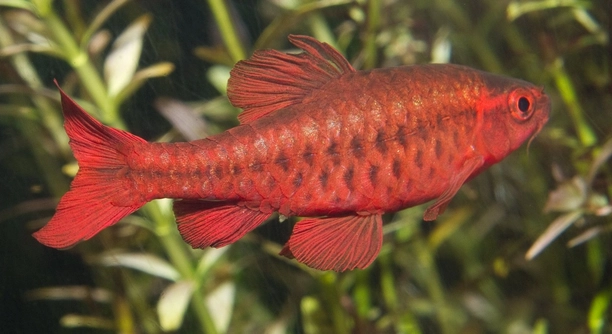
Cherry barbs are known for their vibrant color and social nature, but they don’t always act as expected in a tank. Some owners find their cherry barbs refuse to school, which can be frustrating.
The primary reason cherry barbs fail to school often relates to environmental stressors, such as inadequate tank size, improper water conditions, or insufficient tank mates. Cherry barbs rely on specific factors to thrive in groups, influencing their behavior significantly.
Understanding these factors will help you address the issues preventing your cherry barbs from schooling effectively, ensuring a more harmonious aquarium.
Tank Size and Space for Cherry Barbs
A common issue for cherry barbs refusing to school is insufficient space in their tank. These fish are naturally active and social, needing room to move freely and interact with their tank mates. If they feel cramped, they will likely be stressed, which may prevent them from grouping together. A small or overcrowded tank forces cherry barbs to find shelter away from others, rather than swimming in schools. Ensuring your tank is large enough for the number of fish you have can make a significant difference in their behavior.
With a minimum of 20 gallons, a larger tank will help promote better schooling behavior. Adding a few plants or decorations also helps them feel secure and reduces stress, but too many can block their movement.
A spacious environment fosters comfort and security, encouraging your cherry barbs to come together and school. Be sure to regularly check water conditions and avoid overstocking, both of which can affect their health and behavior.
Water Temperature and Quality
Water quality plays an essential role in a cherry barb’s behavior.
Keeping the water clean, with stable temperature and pH levels, is crucial for ensuring the fish’s well-being. Fluctuating or unsuitable water conditions can lead to stress, making it difficult for cherry barbs to school properly.
Maintain a consistent water temperature between 74°F and 79°F. Keep the pH level between 6.5 and 7.5 for optimal comfort. A good filtration system will help maintain water quality, but regular water changes are equally important. High levels of ammonia or nitrites can cause stress and prevent schooling.
Ensuring your tank’s water is clear, clean, and stable is one of the easiest ways to promote better behavior from your cherry barbs. Stability in water conditions supports not only schooling but overall health as well.
Tank Mates and Social Dynamics
The presence of other fish can significantly impact cherry barbs’ schooling behavior. If housed with aggressive or overly dominant species, cherry barbs may become shy and avoid swimming in groups. Incompatible tank mates lead to stress, preventing them from forming schools.
Cherry barbs do best with peaceful species that won’t threaten their space or food. Fish like tetras, rasboras, or peaceful catfish make ideal companions. In contrast, aggressive species such as cichlids or fin-nipping fish may cause the cherry barbs to retreat. Ensuring your tank has a calm, non-threatening environment helps cherry barbs feel secure enough to school.
When choosing tank mates, it’s essential to consider their temperament. If aggression arises, cherry barbs will likely isolate themselves, leaving you with a tank of separated fish. Keep this in mind when setting up your aquarium to maintain harmony and encourage schooling behavior.
Lighting and Its Impact on Cherry Barbs
Lighting in your aquarium plays a significant role in your cherry barbs’ behavior. Too bright or harsh lighting can cause stress, making them reluctant to interact with others. Soft, natural lighting is often more conducive to creating a peaceful environment.
Strong, intense lighting can cause anxiety, making cherry barbs feel exposed and vulnerable. Providing shaded areas with plants or decorations can help reduce their stress. Gradually adjusting the lighting to match the natural day-night cycle also supports their comfort.
Proper lighting mimics their natural habitat, giving cherry barbs a sense of security and stability. The right light helps them feel more comfortable, encouraging them to school rather than hiding.
Stress from Sudden Changes
Cherry barbs are sensitive to sudden changes in their environment, including temperature fluctuations, water changes, and movement around the tank. These stressors can disrupt their natural behaviors, causing them to avoid schooling.
Rapid changes create a feeling of instability, making cherry barbs feel unsafe. Gradually acclimating them to any changes can help reduce stress. This ensures they feel secure enough to interact with others in their group.
Maintaining a consistent environment helps keep cherry barbs calm and encourages their social behavior.
Overcrowding and Tank Size
Overcrowding is a significant factor affecting cherry barbs. When too many fish are placed in a small tank, stress levels rise, and schooling behavior diminishes.
Cherry barbs need adequate space to move freely and interact. When overcrowded, they may feel trapped and avoid socializing. Ensure your tank has enough room for all your fish to prevent this.
Space is crucial to their well-being and schooling habits.
Feeding and Feeding Times
Feeding times can influence the behavior of cherry barbs. If there is competition for food, they may become more aggressive or hesitant to school.
To reduce aggression, provide enough food for each fish. You can also distribute food evenly across the tank to ensure all cherry barbs have access to it. A calm, steady feeding routine promotes peaceful interactions among them.
FAQ
Why aren’t my cherry barbs schooling?
Cherry barbs may not school due to several factors. These include stress from poor water quality, inadequate tank size, incompatible tank mates, or sudden changes in their environment. Lack of a secure space or poor lighting can also prevent them from schooling. Ensuring a consistent and peaceful environment with plenty of space helps promote group behavior.
What water conditions do cherry barbs need to school?
Cherry barbs prefer slightly acidic to neutral water, with a pH between 6.5 and 7.5. They also thrive in temperatures ranging from 74°F to 79°F. Keeping the water clean and stable is crucial. Regular water changes, proper filtration, and avoiding sudden temperature fluctuations will support their schooling behavior.
Can cherry barbs school with other species?
Yes, cherry barbs can school with peaceful species, such as tetras, rasboras, or peaceful catfish. Aggressive or fin-nipping fish may cause stress, leading cherry barbs to isolate themselves. When choosing tank mates, prioritize calm, compatible fish to encourage social behavior among your cherry barbs.
How many cherry barbs should I keep together?
Cherry barbs are best kept in small groups, ideally 5 or more. Keeping them in larger groups helps them feel more secure and promotes natural schooling behavior. A larger school also reduces stress, as they feel less vulnerable to perceived threats.
Can lighting affect my cherry barbs’ behavior?
Yes, lighting can affect cherry barbs. Harsh or overly bright lighting can cause stress and prevent them from schooling. Soft, natural lighting or adjustable light cycles are more beneficial. You can use plants or tank decorations to provide shaded areas and make your fish feel more secure.
What size tank is best for cherry barbs?
A minimum of 20 gallons is recommended for cherry barbs, especially if you’re keeping multiple fish. A larger tank provides enough space for them to swim freely and form schools. It also allows you to maintain better water quality and avoid overcrowding.
Do cherry barbs need plants in their tank?
While not mandatory, plants can improve the environment for cherry barbs. They provide hiding spots, reduce stress, and help mimic the natural habitat. However, ensure that plants don’t overcrowd the tank, as cherry barbs still need space to move and school freely.
Can cherry barbs live alone?
Cherry barbs are social fish and do best in groups. Keeping them alone can lead to stress and hinder their natural behavior. If you have a single cherry barb, consider adding a few more to create a comfortable school.
What do cherry barbs eat?
Cherry barbs are omnivores and will eat a variety of foods. They enjoy flake foods, small pellets, and live or frozen foods like brine shrimp and daphnia. Providing a balanced diet with both plant-based and protein-rich foods supports their health and natural behavior.
How do I know if my cherry barbs are stressed?
Stressed cherry barbs may display unusual behavior, such as hiding, rapid swimming, or staying near the surface. They might also become lethargic or stop eating. If these signs appear, check the water conditions, tank mates, and environment to identify the source of stress.
Why do my cherry barbs swim in different directions?
If your cherry barbs swim in different directions, it may be due to stress or a lack of security in their environment. This can happen if the tank is too small, if there are aggressive tank mates, or if water quality is poor. Ensure a peaceful, spacious environment to encourage schooling.
Can I add new cherry barbs to my tank?
Yes, adding new cherry barbs is possible, but you should do so gradually. Adding too many fish at once can cause stress and disrupt the tank’s balance. Quarantine new fish for a week before introducing them to ensure they are healthy and reduce the risk of introducing diseases.
Why aren’t my cherry barbs eating?
If your cherry barbs are not eating, stress could be the cause. Poor water quality, sudden changes in their environment, or aggressive tank mates may make them reluctant to feed. Ensure a stable and calm environment, and offer food at regular intervals. If the issue persists, check for signs of illness.
Can cherry barbs live with other barbs?
Cherry barbs can live with other types of barbs, but it depends on the species. Peaceful barbs, such as the Odessa barb, are compatible with cherry barbs, but more aggressive types, like tiger barbs, may cause stress. Always ensure the tank mates are compatible to promote harmony.
What are the signs of illness in cherry barbs?
Common signs of illness in cherry barbs include faded coloration, erratic swimming, staying near the surface, or loss of appetite. They may also display abnormal gill movements or lesions on their skin. Regularly monitor water quality and tank conditions to catch potential issues early.
How do I keep my cherry barbs healthy?
To keep your cherry barbs healthy, maintain proper water conditions with regular changes, keep the tank clean, and provide a balanced diet. Avoid overcrowding, and ensure they have compatible tank mates. Monitoring their behavior for signs of stress or illness will help ensure they remain in good health.
Final Thoughts
Cherry barbs are peaceful and social fish, but they may not always exhibit schooling behavior. Several factors influence their tendency to school, including tank size, water quality, lighting, and the presence of compatible tank mates. Providing a stable, secure environment is key to encouraging them to form schools. When cherry barbs feel stressed or unsafe, they are less likely to interact with one another, often swimming alone or hiding. By creating an environment that mimics their natural habitat, you can help reduce stress and promote their natural schooling instincts.
Choosing the right tank mates is another essential factor. Cherry barbs thrive in peaceful communities. If kept with aggressive or overly active fish, they may become anxious and avoid forming schools. Fish that are non-threatening, such as other peaceful barbs, tetras, or rasboras, are ideal companions for cherry barbs. By maintaining calm and compatible tank mates, you can ensure that your cherry barbs feel comfortable and safe, which encourages their natural social behavior.
In addition to tank mates, maintaining proper water conditions is critical for cherry barbs to thrive. Regular water changes, stable temperatures, and clean water are necessary for their well-being. Cherry barbs also prefer soft, slightly acidic water, with a pH range between 6.5 and 7.5. Ensuring that these conditions are met helps reduce stress and encourages natural behavior like schooling. It’s important to pay attention to these factors if you want your cherry barbs to school regularly. With the right setup and care, these vibrant fish will feel secure enough to swim together in peaceful groups.

Hello,
If you enjoy the content that we create, please consider saying a "Thank You!" by leaving a tip.
Every little bit helps us continue crafting quality advice that supports the health, happiness, and well-being of pets around the world, for pets of all shapes, sizes, and species.
We really appreciate the kindness and support that you show us!