
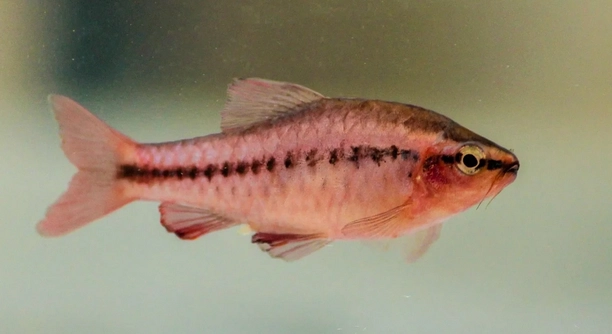
Have you ever watched your cherry barbs swim around their tank and noticed some unusual behavior after they spawn their eggs?
Cherry barbs do eat their own eggs, which is a natural behavior seen in many fish species. This tendency is especially common in home aquariums where there is limited space and no separation between the adults and their eggs.
Protecting cherry barb eggs can improve survival rates and help maintain a healthier aquarium environment for future generations of fry.
Why Cherry Barbs Eat Their Eggs
Cherry barbs often eat their own eggs because they don’t recognize them as future offspring. In the wild, eggs are usually scattered and hidden in dense plants, giving them a chance to survive. In home aquariums, there’s less cover, and the adults can easily find the eggs. Hunger and stress may also lead to egg eating, especially in smaller or overcrowded tanks. This behavior is instinctive and not unique to cherry barbs—many fish do the same when they feel threatened or when space is limited. While it can be frustrating, it’s a natural response that doesn’t mean something is wrong with the fish.
Egg-eating behavior is common and mostly tied to instinct and environmental conditions.
If you’re planning to breed cherry barbs, separating the adults from the eggs after spawning is one of the best ways to protect the eggs. Use a breeding tank with fine-leaved plants or a spawning mop to give the eggs a better chance of staying hidden. Once the eggs are laid, promptly remove the adult fish. This reduces the chance of the eggs being eaten. Keep the breeding tank clean, maintain stable water conditions, and avoid sudden changes in temperature or pH. These simple steps can increase the survival rate of your cherry barb fry.
Preventing Egg Loss in Your Tank
Separating eggs from adults is the most reliable way to prevent egg loss during breeding.
Setting up a separate breeding tank with proper hiding spaces and gentle filtration will help protect the eggs from being eaten. Use dense plants or a mesh netting at the bottom so eggs fall out of reach. Once spawning is complete, move the adult fish back to the main tank. Maintain the breeding tank at around 78°F with a gentle air stone to keep the water oxygenated without disturbing the eggs. Avoid bright lighting, which can stress the fry once they hatch. Feed the baby cherry barbs infusoria or powdered fry food until they are large enough to eat baby brine shrimp. Consistent water changes, about 10% daily, will keep the water clean and improve fry survival. These adjustments help keep your breeding setup functional and support the development of healthy young cherry barbs.
How to Spot Egg-Eating Behavior
Cherry barbs may linger near the area where eggs were laid, often pecking at surfaces or plants. This behavior usually happens soon after spawning, when the eggs are still soft and visible to the adult fish.
You might notice the adult fish circling the bottom of the tank or hovering near plants where eggs were scattered. They may appear more active, constantly pecking or nibbling around those areas. These signs usually occur within a few hours after spawning. If you’re unsure, monitor their behavior closely after breeding activity. Cherry barbs don’t guard their eggs, so any return to the spawning site likely signals they’re eating them. Dim lighting can make it harder to spot the eggs, but checking early and often helps. Clear visual cues, such as sudden darting or nibbling on specific tank areas, make it easier to tell when the fish are consuming their eggs.
If you’re planning to breed them, recognizing this behavior early is key to protecting the eggs. Remove adults within an hour or two after spawning. Keep an eye on areas with dense plants, as this is where eggs are often hidden. Even if you don’t see the eggs clearly, continued pecking in one spot is a strong indicator. Use a flashlight if needed to check for eggs in shaded corners. If you miss the right window, the eggs may be eaten quickly, so being prepared and observant makes a difference.
Ideal Tank Setup for Protecting Eggs
Creating a dedicated breeding setup helps reduce stress and increases egg survival. A smaller, 10-gallon tank with soft lighting and fine-leaved plants works well. Use a sponge filter to maintain water quality without disturbing the eggs.
Add Java moss or spawning mops to provide a soft surface where eggs can settle safely. Keep the temperature between 76°F and 78°F and test water parameters daily. Soft, slightly acidic water mimics their natural habitat and helps encourage spawning. After the eggs are laid, move the adults back to their usual tank. Cover the bottom with a mesh or marbles, which allows eggs to fall through while keeping them out of reach. A gentle air stone will keep oxygen levels stable. Keep lighting low and avoid sudden water changes. Feed hatched fry with infusoria or commercially available fry food. Consistency is important, so maintain a stable routine for the best outcome.
Feeding Adults After Spawning
Feeding the adults right after spawning can help distract them from eating the eggs. Offer high-protein foods like brine shrimp or daphnia to keep them full and focused away from the egg-laying area.
Keeping the adults well-fed during breeding periods can lower the chances of egg-eating behavior. Always feed in a separate part of the tank if possible.
What to Do If Eggs Are Eaten
If the eggs are eaten, remove the adults and prepare for the next spawning attempt. Make adjustments to the setup—add more plants or a mesh bottom. Monitor behavior closely and be ready to separate adults earlier next time. Consistent care increases the chances of saving eggs in future spawnings.
Monitoring Egg Development
Check the eggs daily for fungus or discoloration. Healthy eggs remain clear or slightly amber. Remove any white or fuzzy ones to avoid spreading fungus.
FAQ
Do Cherry Barbs Lay Eggs or Give Birth?
Cherry barbs lay eggs. They are egg-laying fish that require a suitable environment to breed successfully. After spawning, the eggs are usually scattered across plants or other surfaces in the tank. The female cherry barb lays the eggs, which are then fertilized by the male.
How Can I Tell if My Cherry Barbs Are About to Spawn?
You may notice increased activity and the male chasing the female. The female’s belly will appear rounder and more filled with eggs. They often spawn early in the morning. Once they begin, the male will nudge and encourage the female to release the eggs, which are fertilized almost immediately.
Can I Keep Cherry Barbs with Other Fish During Spawning?
It’s not advisable to keep cherry barbs with other fish during spawning, especially if you want the eggs to survive. Other fish may eat the eggs, or the adults may become stressed by the presence of other tank mates. It’s best to isolate them in a separate breeding tank.
How Long Does It Take for Cherry Barb Eggs to Hatch?
Cherry barb eggs typically hatch in about 24 to 48 hours. The exact timing depends on water temperature. Warmer water will speed up the hatching process, while cooler water will slow it down. After hatching, the fry will initially rely on their yolk sacs before transitioning to external food.
How Can I Protect Cherry Barb Eggs from Being Eaten?
The best way to protect cherry barb eggs is by separating the adults from the eggs as soon as spawning is finished. A breeding tank with fine-leaved plants or spawning mops can help hide the eggs from the adults. You can also use mesh or marbles at the bottom to allow the eggs to fall but prevent the adults from reaching them.
Do Cherry Barbs Eat Their Fry?
Yes, adult cherry barbs may eat their fry, especially if there’s not enough hiding spots for the young fish. It’s important to keep the fry in a separate tank or use a breeder box to protect them. Once the fry are large enough to swim freely and are less vulnerable, you can introduce them back into the main tank.
What Do I Feed Cherry Barb Fry?
After hatching, cherry barb fry require small, nutrient-rich food like infusoria or liquid fry food. As they grow, you can start feeding them crushed flakes or baby brine shrimp. It’s important to provide them with small food that’s easy to eat while they’re still developing.
Can I Use a Community Tank for Cherry Barbs?
Cherry barbs are peaceful fish, so they can be kept in a community tank with other non-aggressive species. However, if you want to breed them, a separate breeding tank is ideal. Keeping cherry barbs in a tank with other fish during spawning can increase the likelihood of egg-eating or fry predation.
What Temperature Is Best for Cherry Barb Breeding?
The ideal water temperature for cherry barb breeding is between 76°F and 78°F. This range encourages spawning behavior and ensures healthy development of eggs and fry. Water temperature outside of this range can slow down the breeding process and affect egg fertilization.
How Often Do Cherry Barbs Breed?
Cherry barbs can breed regularly, especially if the environmental conditions are favorable. They will spawn more often in a stable tank with clean water and a proper diet. However, frequent breeding can sometimes lead to exhaustion for the fish, so it’s important to allow them recovery time between spawning attempts.
How Do I Encourage Cherry Barbs to Spawn?
To encourage cherry barbs to spawn, mimic the rainy season by performing a large water change with slightly cooler water. This temperature drop can trigger their breeding instincts. Additionally, provide a well-planted tank and a varied diet, including live or frozen foods like brine shrimp or bloodworms.
What Are the Signs of Stress in Cherry Barbs?
Stressed cherry barbs may display erratic swimming patterns, hide more frequently, or lose their vibrant coloration. They may also stop eating or become overly aggressive toward tank mates. It’s essential to check water parameters, like pH and temperature, and reduce any factors that could be causing stress.
How Can I Help Cherry Barbs Adjust to a New Tank?
Cherry barbs can be sensitive to changes in their environment. To help them adjust to a new tank, slowly acclimate them by floating the bag in the new tank for 15-20 minutes to equalize the temperature. Gradually add small amounts of water from the tank to the bag before releasing them. This reduces the risk of shock.
Do Cherry Barbs Need a Filtered Tank?
Yes, cherry barbs need a well-filtered tank to maintain good water quality. A sponge filter is ideal as it provides gentle filtration, preventing fry from being sucked into the filter. Regular water changes and consistent filtration will help keep the environment clean, which is vital for the health of both adults and fry.
Are Cherry Barbs Easy to Care For?
Cherry barbs are relatively easy to care for, making them a great choice for beginners. They don’t require complicated setups and adapt well to a variety of water conditions. With proper care, such as regular water changes, good filtration, and appropriate feeding, they will thrive in your tank.
Final Thoughts
Cherry barbs are relatively easy to care for, making them a popular choice among fishkeepers. Their peaceful nature and vibrant colors add beauty to any tank. However, breeding them successfully requires careful attention to detail, especially when it comes to protecting eggs and fry. By creating the right environment and providing proper nutrition, you can improve your chances of having healthy offspring.
If you decide to breed cherry barbs, it’s important to manage the tank conditions carefully. Separate breeding tanks or breeding boxes can help ensure that the eggs are not eaten by the adults. Providing plants and hiding spots is also crucial for the survival of the fry. By paying attention to these small details, you can help your cherry barbs thrive and possibly enjoy watching the cycle of life unfold in your aquarium.
Ultimately, while there are some challenges in breeding cherry barbs, the rewards can be quite satisfying. These fish are hardy and resilient, and with the right care, they will live a long, healthy life. Whether you choose to breed them or simply enjoy their presence in your community tank, cherry barbs are an excellent addition to any aquarium.

Hello,
If you enjoy the content that we create, please consider saying a "Thank You!" by leaving a tip.
Every little bit helps us continue crafting quality advice that supports the health, happiness, and well-being of pets around the world, for pets of all shapes, sizes, and species.
We really appreciate the kindness and support that you show us!