
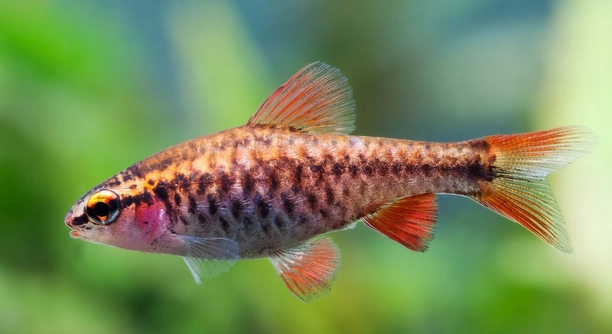
Do your cherry barbs seem less active or show signs of stress without a clear reason? Water quality might be the issue.
Testing water at the right times is essential for maintaining a healthy environment for cherry barbs. Fluctuations in parameters like ammonia, nitrites, and pH can directly impact their health and behavior, making regular monitoring a necessary part of care.
Knowing when to test helps prevent problems before they start and keeps your cherry barbs thriving in their aquatic home.
After Adding New Cherry Barbs
When you add new cherry barbs to your tank, it’s important to test the water. New fish increase the biological load, which can lead to spikes in ammonia and nitrite. These changes might not be visible immediately but can affect the fish quickly. Test the water daily for the first week after introducing new cherry barbs. This ensures the tank is handling the increased waste properly. If you notice any parameter changes, act quickly by performing a partial water change or adjusting filtration. Doing this helps your fish adjust to their new home safely and without added stress.
Water changes may seem simple, but without monitoring, they can shift water chemistry. Checking parameters keeps everything stable.
Cherry barbs can be sensitive to sudden environmental changes. Testing helps you catch any imbalances early, especially if your tank is smaller or heavily stocked. Keeping a stable environment supports healthy behavior and lowers the risk of illness.
After a Water Change
Even small water changes can shift tank chemistry, especially if your tap water differs in pH or hardness. Test the water an hour after each change to confirm that parameters remain stable.
Testing after water changes helps you catch sudden shifts in water quality before they stress your cherry barbs. It also lets you compare old and new water conditions. If you use conditioners or additives, checking the water ensures they’re working properly. Pay attention to pH, hardness, and ammonia levels. If you’re seeing a sudden change in behavior, such as darting or gasping at the surface, something might have changed during the water change. This step is especially important in smaller tanks where even a 25% water change can create noticeable differences. By testing after each change, you’ll gain a better understanding of how your water source interacts with your tank and prevent ongoing issues from developing.
When Your Cherry Barbs Act Unusual
Unusual behavior like hiding, loss of appetite, or gasping near the surface often points to poor water quality. Testing helps identify what’s wrong and gives you a chance to act before it becomes serious.
If your cherry barbs are not swimming normally or staying near the surface more than usual, ammonia or nitrite could be high. These changes in behavior are often the first signs something is off in the tank. Check for ammonia, nitrites, nitrates, and pH shifts. Even if the water looks clear, parameters can still be unstable. Address any imbalances immediately by doing a partial water change or improving filtration. Waiting too long can cause long-term damage to your fish’s health or even lead to death. Testing right when you notice something strange is one of the most effective steps in keeping your cherry barbs safe.
Sometimes even a small change in behavior tells you something’s wrong with the water. If one fish hides or swims differently, don’t ignore it. Testing during these moments helps you catch spikes in toxins or drops in oxygen levels early. Don’t rely on appearance alone—cherry barbs often try to adapt until the issue becomes severe. Quick testing and action can prevent stress-related illness and help them recover faster.
After a Missed Maintenance Schedule
Missing a scheduled water change or filter cleaning can cause water conditions to decline faster than expected. Testing right after helps you see how far the water quality has shifted and decide what needs correcting.
If you’ve skipped a water change, waste and uneaten food may have started building up. This raises ammonia and nitrate levels, even if the water looks clear. Testing immediately shows you the exact levels and lets you take the right steps. In some cases, a single large water change may not be enough to restore balance. You may need to do a series of small changes and adjust your feeding. Testing helps avoid overcorrecting or stressing your fish with sudden changes. Keeping a backup test kit nearby is useful for these moments. Even with a missed routine, you can still stabilize the tank before your cherry barbs are affected too much.
After a Power Outage
Power outages can affect your tank’s temperature and oxygen levels quickly. Test the water right after power returns, especially for ammonia and nitrites, since the filter may have stopped working during the outage.
Low oxygen and stalled filtration can lead to dangerous conditions fast. Testing helps you take immediate action to protect your cherry barbs.
During Algae Blooms
If you notice a sudden algae bloom, test for nitrates and phosphates. These often spike when excess waste or light is present. High levels not only fuel algae but also stress your fish. Testing helps you make targeted adjustments like reducing feeding or lighting. Don’t just clean the algae—look at what’s feeding it. Identifying nutrient imbalances gives you a clearer path to restore balance. Regular testing during and after blooms helps prevent them from returning. Even if your cherry barbs seem fine, unseen changes in water quality could be affecting their long-term health.
When Using New Water Treatments
New treatments can shift your water parameters quickly. Testing ensures they don’t cause unexpected issues.
FAQ
How often should I test the water for cherry barbs in a stable tank?
In a stable tank with no issues, testing once a week is usually enough. This helps you keep track of long-term trends and catch slow changes before they cause problems. Test for ammonia, nitrites, nitrates, and pH. You don’t need to check all parameters every time, but rotating between them each week helps maintain balance. If you notice anything unusual, test immediately, even if it hasn’t been a full week. For tanks with live plants or more frequent feeding, weekly testing becomes even more important. Keeping a simple log can help spot patterns over time.
What should I do if my cherry barbs are gasping at the surface?
Start by testing for ammonia, nitrites, and oxygen levels. Gasping often means there’s a lack of oxygen or an issue with water quality. Make sure your filter and air pump are running correctly. If the test shows high ammonia or nitrites, perform a partial water change right away. You may also need to increase surface agitation to boost oxygen levels. Avoid overfeeding and clean up any leftover food. If oxygen is low due to high temperature or overcrowding, adjust conditions slowly. It’s important to act quickly, as poor oxygen levels can be dangerous for cherry barbs.
Why is testing during an algae bloom so important?
Algae blooms are often caused by high nitrate or phosphate levels. Testing during a bloom helps you understand what’s feeding the algae, so you can fix the issue instead of just scrubbing it away. If the nutrients stay high, the algae will return quickly. High levels also stress your cherry barbs, especially if oxygen drops. Use your test results to make changes like cutting back on light, feeding less, or doing extra water changes. Avoid using algae-killing chemicals unless you’ve confirmed water quality first. Testing is the best way to stop future blooms from forming.
Can poor water quality make cherry barbs stop eating?
Yes. Cherry barbs may stop eating if ammonia or nitrites are high or if the pH has shifted. They’re sensitive to sudden changes and often lose their appetite as an early sign of stress. Test the water as soon as you notice they’re ignoring food. If something is off, a water change usually helps. Once levels are normal, their appetite should return. Don’t keep feeding if they’re not eating, as uneaten food adds to the waste and makes the issue worse. Clean any leftovers and wait for behavior to return to normal before feeding again.
Do I need to test if everything seems fine in the tank?
Yes. Water can look clean but still contain harmful substances. Parameters like ammonia or nitrate can rise slowly without obvious signs. Cherry barbs might act normal for a while, even in declining conditions. Weekly testing keeps you informed and helps prevent surprise issues. Think of it like checking your car’s oil—it’s routine maintenance that prevents bigger problems. Over time, regular testing helps you learn what’s normal for your tank and when something’s off, even before symptoms appear.
How do I know which water parameters to test?
Start with the basics: ammonia, nitrites, nitrates, and pH. These give a clear picture of the tank’s health. If you’re having specific issues, you might also check hardness (GH/KH), temperature, or phosphates. For example, if you’re seeing algae, test phosphates. If fish are acting odd but everything else looks normal, check oxygen or hardness. Most test kits come with guides, and you don’t need to test everything at once unless there’s an active problem. Focus on what’s relevant and adjust based on how your cherry barbs are doing.
Final Thoughts
Keeping cherry barbs healthy starts with paying attention to water quality. Even if the tank looks clean and the fish appear active, issues can still be present. Regular testing helps you notice changes before they lead to health problems. Water conditions can shift due to feeding, changes in room temperature, equipment issues, or even new decorations. By testing water during key moments—like after a power outage or when adding new fish—you can act quickly and avoid bigger issues. It’s easier to correct a small imbalance early than to fix a larger problem later.
Testing might seem like an extra step, but it doesn’t have to be complicated. Most test kits are easy to use and don’t take much time. The information they provide gives you a better understanding of your tank. When you know your water parameters, you’re better prepared to support your cherry barbs through changes. Whether you’re cycling a new tank or adjusting after using medication, testing offers clear guidance. It removes guesswork and helps you make decisions based on facts, not just what you think might be going on. Over time, these habits create a safer and more stable environment.
Caring for cherry barbs is more than just feeding them and watching them swim. Their health depends on conditions you can’t always see. Water testing is one of the simplest ways to make sure they stay safe. You don’t need to test every day, but knowing when to test—and which parameters matter most—can make a big difference. Whether you’re new to fishkeeping or have had tanks for years, this practice remains important. It helps keep your cherry barbs active, colorful, and thriving in a tank that supports their needs. Regular care, paired with the right tools and attention, builds a strong foundation for their well-being.

Hello,
If you enjoy the content that we create, please consider saying a "Thank You!" by leaving a tip.
Every little bit helps us continue crafting quality advice that supports the health, happiness, and well-being of pets around the world, for pets of all shapes, sizes, and species.
We really appreciate the kindness and support that you show us!