
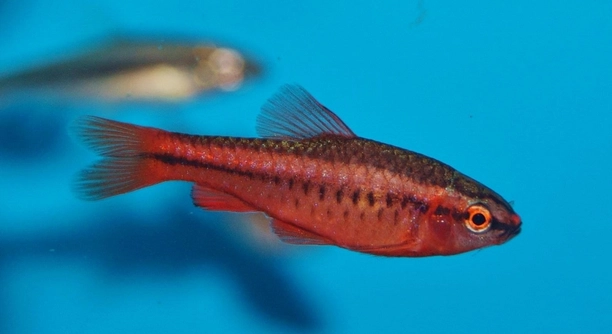
Cherry barbs are beautiful and lively fish, making them a favorite among aquarium enthusiasts. If you’re hoping to breed them in captivity, understanding their needs is key. This guide will help you create the right environment for breeding.
To breed cherry barbs in captivity, you need to replicate their natural conditions. Ensuring a stable, clean environment with proper water temperature, pH, and lighting is essential. Additionally, providing nutritious food and creating a peaceful tank setting promotes successful breeding.
By following these simple tips, you’ll be on the path to successfully breeding cherry barbs. Learn how to create the ideal conditions that will encourage these vibrant fish to thrive in your aquarium.
Creating the Right Environment for Cherry Barbs
To encourage cherry barbs to breed in captivity, it’s crucial to set up the right environment in your aquarium. The water conditions must closely mimic their natural habitat, which means maintaining the right temperature, pH, and water hardness. Cherry barbs prefer a water temperature of 74-80°F (23-27°C) and a pH level between 6.0 and 7.5. Ensure the water is clean and well-filtered, as they are sensitive to poor water quality. Soft to moderately hard water is ideal for breeding.
In addition to water conditions, creating a stress-free environment is important. Cherry barbs feel most at ease in planted tanks with hiding spots. Live plants not only provide shelter but also act as spawning sites. Adding some fine-leaved plants, like Java moss, can give the fish a safe area to lay eggs.
For breeding, males should be active and display vibrant colors, while females tend to be rounder and larger. It’s essential to introduce both genders into the tank together so the males can court the females, encouraging the spawning process.
Water Temperature and pH Balance
Water temperature and pH play a significant role in getting cherry barbs to breed successfully. Without the proper balance, the fish may not feel comfortable enough to spawn.
Cherry barbs thrive in stable water conditions. Keep the water temperature between 74-80°F (23-27°C) and maintain a slightly acidic to neutral pH. Sudden temperature fluctuations or incorrect pH levels can cause stress and disrupt breeding behavior.
Feeding Cherry Barbs for Successful Breeding
Proper nutrition is key to encouraging cherry barbs to breed. Offering a varied diet ensures they’re healthy and ready to spawn. A balanced mix of live, frozen, and high-quality flake foods is essential.
Feed your cherry barbs multiple times a day, focusing on small portions. Live or frozen foods, such as brine shrimp and daphnia, will stimulate breeding behavior. These foods are rich in nutrients, which boost the fish’s health and vitality. Offering a variety of foods also mimics their natural diet, encouraging natural spawning instincts.
Avoid overfeeding, as this can lead to water quality issues. Keeping the tank clean is crucial for breeding success, so remove any uneaten food. A well-fed, active cherry barb is much more likely to breed successfully. Consistently offering nutritious food will promote their overall well-being, making them more likely to spawn.
Using a Breeding Tank
Using a separate breeding tank can increase the chances of success. A smaller tank reduces stress and gives the fish space to focus on breeding.
Set up a breeding tank with soft, acidic water, as this will mimic their natural environment. Include fine-leaved plants and a spawning mop for the fish to lay their eggs on. A 10-gallon tank is often ideal, with gentle filtration to avoid disturbing the eggs. The breeding tank should be kept at the same temperature range as their main tank, ensuring the fish feel comfortable enough to spawn.
Once the fish start laying eggs, remove them from the breeding tank. Cherry barbs can sometimes eat their eggs, so separating the adults helps protect the future generation. After about 24-48 hours, the eggs will hatch, and you’ll see the fry swimming around.
Simulating Rainy Seasons
Simulating rainy conditions can encourage cherry barbs to spawn. In their natural habitat, they breed during the rainy season, so mimicking this can trigger the breeding process.
You can simulate the rainy season by performing water changes with cooler, soft water. This drop in temperature and change in water conditions mimics the seasonal rains, triggering their natural spawning behavior. A water change of about 25-30% will help provide the right conditions for breeding.
When the rainy conditions are simulated correctly, the males will become more active and colorful, and the females will begin to show signs of readiness for spawning.
Creating the Right Light Cycle
Cherry barbs need a proper light cycle to feel comfortable and to breed successfully. Maintaining a consistent day-night light cycle is important for breeding.
Provide around 10-12 hours of light daily to simulate a natural environment. A consistent light schedule helps regulate their internal clocks, encouraging them to breed. Use gentle, indirect lighting in the tank, which helps reduce stress and promotes a comfortable atmosphere for the fish.
FAQ
How can I tell when my cherry barbs are ready to breed?
When cherry barbs are ready to breed, the males become more vibrant in color, showing shades of red and orange. They will also display more active behavior, often chasing the females and engaging in courtship rituals. The females, on the other hand, will become rounder and slightly larger, indicating they’re carrying eggs. Pay attention to these physical signs to know when the fish are ready for spawning.
Do I need to separate the males and females to breed cherry barbs?
It’s a good idea to keep the males and females together in the same tank, as this encourages natural courtship. However, if you want to control the breeding process more closely, you can separate them for a short period before reintroducing them. This can stimulate breeding behavior once they’re back together, as the absence of the female for a short time can increase the male’s interest.
Can cherry barbs breed with other types of barbs?
It’s not recommended to breed cherry barbs with other types of barbs, as crossbreeding can lead to weak offspring. Each species of barb has different breeding habits and water condition preferences. If you want to ensure healthy, viable offspring, it’s best to only breed cherry barbs with other cherry barbs.
How long does it take for cherry barb eggs to hatch?
Cherry barb eggs typically hatch within 24 to 48 hours after being laid. The fry will remain attached to the plants or substrate for a short period before they become free-swimming. Once they start swimming, it’s important to provide them with tiny foods like infusoria or liquid fry food to support their growth.
What should I do if my cherry barbs aren’t breeding?
If your cherry barbs aren’t breeding, it could be due to several factors. First, check the water conditions—make sure the temperature, pH, and hardness are all within the optimal range. Stress from poor water quality, overcrowding, or aggressive tank mates can also prevent breeding. Try adjusting the light cycle or simulating rainy conditions, and ensure the fish are well-fed with nutritious foods.
Can I leave the adult cherry barbs in the breeding tank with the eggs?
It’s generally best to remove the adult cherry barbs from the breeding tank once the eggs have been laid. Cherry barbs can eat their eggs or fry, so separating them helps protect the next generation. Once the eggs hatch, you can place the fry back into a larger community tank once they are large enough to survive with other fish.
What temperature is ideal for breeding cherry barbs?
Cherry barbs breed best at a temperature range of 74-80°F (23-27°C). Keeping the water within this range creates a more natural environment and encourages the fish to spawn. A slight drop in temperature, achieved by performing water changes with cooler water, can also help stimulate breeding.
How often should I feed my cherry barbs during the breeding process?
During the breeding process, feed your cherry barbs several small meals throughout the day. A diet rich in live foods like brine shrimp or daphnia will stimulate breeding behavior and improve their overall health. Avoid overfeeding, as uneaten food can deteriorate water quality, which could negatively impact breeding.
Do cherry barbs need special lighting to breed?
Yes, cherry barbs benefit from a consistent light cycle when breeding. A natural day-night cycle of about 10-12 hours of light can help regulate their breeding cycles. Avoid harsh, bright lighting as it may cause stress. Gentle, indirect lighting helps the barbs feel comfortable, creating a conducive environment for breeding.
How many cherry barbs should I have in a breeding tank?
For a breeding tank, aim to have at least 2-3 males for every female. This encourages competition among the males and increases the chances of successful mating. A ratio of 2 females per male is ideal for promoting a natural breeding environment. Overcrowding, however, can lead to stress, so keep the tank appropriately stocked.
Are there any specific plants that help with cherry barb breeding?
Yes, plants like Java moss, Vallisneria, and hornwort work well in breeding tanks. They provide hiding spots and surfaces for eggs to be laid on. Fine-leaved plants, such as Java moss, are especially useful as they create safe areas for the eggs to attach to. Providing ample plant coverage also reduces stress for the fish.
Do I need to change the water regularly in the breeding tank?
Yes, water changes are important, but they should be done carefully to avoid stressing the fish. Perform a partial water change (25-30%) weekly to maintain clean water and stable conditions. Ensure that the water added is at the correct temperature and pH to prevent shocking the fish.
Can cherry barbs breed year-round in captivity?
Yes, cherry barbs can breed year-round in captivity if the environmental conditions are maintained correctly. By adjusting the light cycle, water temperature, and simulating rainy conditions, you can encourage them to breed at any time. However, keeping these factors in check will make breeding more successful.
Final Thoughts
Breeding cherry barbs in captivity is a rewarding experience, but it requires attention to detail and a few key steps to ensure success. By providing the right water conditions, including temperature and pH, you create an environment where these small, colorful fish can thrive. It’s essential to mimic their natural habitat as much as possible, which means maintaining a clean tank with proper filtration. With the right setup, cherry barbs can breed successfully, adding new life to your aquarium.
Feeding your cherry barbs the right diet is another critical part of the breeding process. A varied diet that includes live and frozen foods will keep your fish healthy and help stimulate the breeding behavior. It’s important not to overfeed, as this can affect water quality and make the breeding process more difficult. Along with feeding, creating a peaceful environment is essential. Avoid overcrowding and ensure the tank is spacious enough for the fish to feel comfortable. The presence of fine-leaved plants or spawning mops will provide a place for the female to lay her eggs, making the breeding process smoother.
While breeding cherry barbs can seem challenging at first, following these tips will give you the best chance for success. Simulating seasonal changes, providing proper lighting, and maintaining a consistent water temperature can all encourage your cherry barbs to spawn. Once the eggs hatch, it’s a matter of providing the fry with the care they need to grow and thrive. With patience and attention to their needs, you can enjoy watching your cherry barbs reproduce and add new members to your aquarium family.

Hello,
If you enjoy the content that we create, please consider saying a "Thank You!" by leaving a tip.
Every little bit helps us continue crafting quality advice that supports the health, happiness, and well-being of pets around the world, for pets of all shapes, sizes, and species.
We really appreciate the kindness and support that you show us!