
Cherry Barbs and Rasboras are both popular fish choices for home aquariums, known for their colorful and peaceful nature. Many hobbyists enjoy keeping these fish together, but how compatible are they really in a shared tank environment?
Cherry Barbs and Rasboras can typically coexist peacefully in a community tank. Both species are calm and non-aggressive, making them suitable tankmates when provided with adequate space, proper water conditions, and a balanced diet.
Creating a harmonious aquarium involves understanding the specific needs of each species. There are factors to consider, such as tank size and water parameters, which can help maintain a peaceful environment for both types of fish.
Understanding Cherry Barbs
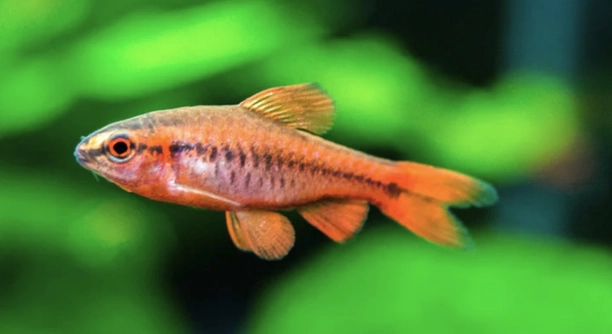
Cherry Barbs are small, peaceful fish that add a burst of color to an aquarium. They are native to South Asia and are relatively hardy, making them ideal for beginner aquarium owners. With their vibrant red or orange hues, they can bring a lively atmosphere to your tank. Cherry Barbs are typically 2 to 2.5 inches long, so they don’t require much space. They thrive in schools of at least six individuals, which helps reduce any territorial behavior. These fish are omnivores, feeding on a mix of algae, worms, and small invertebrates.
Cherry Barbs are active swimmers but are not overly demanding. They prefer slightly acidic to neutral water conditions and do well in temperatures between 72°F and 79°F. Keeping them in a tank with plenty of hiding spaces and plants will ensure they feel secure. They generally coexist well with other peaceful species, including Rasboras.
Their calm nature means they do not tend to pick on other fish, which is why they often make great tankmates. However, Cherry Barbs can sometimes become slightly more assertive during breeding, so it’s essential to monitor their behavior during these periods.
Exploring Rasboras
Rasboras are another peaceful fish commonly kept in aquariums. These small fish are native to Southeast Asia and are known for their easy-going temperament. Most species of Rasboras grow to about 2 to 3 inches, making them an excellent choice for small to medium-sized tanks. They come in various colors, including red, gold, and yellow, and are often seen swimming in schools.
Rasboras also enjoy slightly acidic to neutral water and similar temperature ranges as Cherry Barbs. This makes them compatible with other species that prefer these conditions. They are schooling fish, so keeping them in groups of six or more helps reduce stress and promotes natural behaviors. Like Cherry Barbs, they are omnivores and eat a wide variety of foods.
While Rasboras are peaceful, they can sometimes be shy, especially if kept with more aggressive tankmates. In contrast, they become more active and visible when surrounded by other calm fish, making them an ideal companion for Cherry Barbs.
Key Differences and Similarities
Cherry Barbs and Rasboras are quite similar in many ways, making them suitable for sharing the same tank. Both fish prefer the same water temperature, pH levels, and tank setup. They thrive in aquariums with plants and plenty of space to swim. Moreover, both species are peaceful and do not show aggression towards each other, which is vital for maintaining a harmonious tank environment.
One main difference between the two is their appearance. Cherry Barbs are known for their striking red or orange colors, while Rasboras are often more translucent with a subtle hint of color. Rasboras also tend to be a bit shyer and less active than Cherry Barbs, but they still require a group for their well-being.
Despite these small differences, the two species share similar care requirements, which is why they often do well together. However, it’s important to note that both species are small, and larger or more aggressive fish could pose a threat to them. Additionally, while they’re generally peaceful, keeping them in larger schools can help reduce any potential stress or territorial disputes.
Tank Setup Considerations
The tank setup plays a crucial role in keeping both Cherry Barbs and Rasboras happy. A larger tank is always better, as both species prefer plenty of swimming space. A minimum of 20 gallons is recommended, especially if you plan on keeping multiple fish. Plants and decorations are essential for both species, as they enjoy having hiding spots and areas to explore.
Additionally, having a well-maintained filtration system will help maintain the water quality, as both Cherry Barbs and Rasboras are sensitive to poor water conditions. Regular water changes and keeping the water temperature stable are key to keeping them healthy. Ensure the tank is well-planted with soft plants to mimic their natural environment and reduce stress.
A peaceful tank environment can be achieved by choosing compatible species and providing the right conditions. Since both Cherry Barbs and Rasboras are peaceful and adaptable, they generally won’t cause issues when housed together. However, it’s important to maintain a close eye on the fish, particularly during feeding times, to ensure everyone gets enough food.
Water Conditions for Cherry Barbs and Rasboras
Both Cherry Barbs and Rasboras thrive in slightly acidic to neutral water with a pH between 6.0 and 7.5. Water temperature should range from 72°F to 79°F, providing a comfortable environment for both species. It’s crucial to maintain consistent water conditions to avoid stress or health issues.
To keep the water quality stable, you should use a good filtration system to remove debris and waste. Regular water changes, about 25% weekly, are necessary to prevent toxic buildups. Cherry Barbs and Rasboras are sensitive to poor water quality, which can lead to disease or premature death. Monitoring ammonia and nitrate levels is essential to ensure the water stays safe for them.
Additionally, maintaining a well-balanced environment is vital. If you’re planning to keep both species together, it’s important to maintain a neutral to slightly soft water hardness. Keeping the tank water clean, free of pollutants, and within the appropriate range will promote healthy growth and behavior for both species.
Tank Size and Space Requirements
Both Cherry Barbs and Rasboras are small, but they still need enough space to thrive. A 20-gallon tank is a good minimum size for a small school of both species. More space allows them to swim freely, reducing stress and encouraging natural behavior. Overcrowding can lead to territorial issues and health problems.
When choosing tank mates for Cherry Barbs and Rasboras, consider how much space each fish will need. Both species are relatively active swimmers, so the tank should offer enough room for them to explore without feeling cramped. A larger tank not only benefits these two species but also helps maintain water quality and keeps the environment stable. With proper space, you’ll see fewer signs of aggression and more peaceful interaction between the fish.
A well-planted tank provides the perfect setting for Cherry Barbs and Rasboras. Both species enjoy hiding and swimming through plants, which help mimic their natural environment. The extra space also offers more hiding spots and reduces stress, ensuring both species feel safe and comfortable in their shared home.
Diet and Feeding Practices
Both Cherry Barbs and Rasboras are omnivores and will eat a wide range of foods. A balanced diet for them includes high-quality flakes or pellets, supplemented with frozen or live food like brine shrimp or daphnia. Feed them two to three times a day, providing small portions each time.
It’s important not to overfeed these species, as uneaten food can pollute the tank and affect water quality. Cherry Barbs and Rasboras typically have good appetites, but feeding them more than necessary can lead to issues such as obesity and excess waste. Rotating their diet with both plant-based and protein-rich foods is key to maintaining good health.
Offering a variety of foods also helps stimulate natural foraging behavior, which both species enjoy. This practice can help prevent boredom, encourage activity, and ensure they are getting all the necessary nutrients. Both species are not overly picky eaters, so they will happily accept most foods you offer, making feeding easy.
Compatible Tank Mates for Cherry Barbs and Rasboras
Cherry Barbs and Rasboras are peaceful fish, so they do well with other non-aggressive species. Good tank mates include tetras, small catfish, and other mild-mannered fish. These species help maintain a balanced and calm aquarium environment, reducing stress among all inhabitants.
Avoid adding larger or overly territorial fish, as these could harass or stress out both Cherry Barbs and Rasboras. Species like bettas, cichlids, or aggressive barbs may cause issues in a tank with these species. It’s important to select fish that share similar water conditions and temperament to avoid conflict.
By carefully choosing compatible fish, you ensure that all species live peacefully together and the tank remains harmonious. Observing their behavior will help you spot potential issues early, allowing you to intervene before any problems arise.
Breeding Cherry Barbs and Rasboras
Breeding Cherry Barbs and Rasboras in a home aquarium is possible with proper care. Both species lay eggs, and they typically breed during the breeding season. To encourage breeding, increase the water temperature slightly and ensure the tank is well-maintained. Adding live plants will also give them more suitable spaces to lay eggs.
Cherry Barbs may breed more easily, especially with males showing their brightest colors to attract females. Rasboras tend to spawn in groups, and having a breeding tank or separate space for eggs is helpful. After breeding, remove the adult fish to prevent them from eating the eggs.
Once the eggs hatch, the fry will need special care. They require very fine food like infusoria or powdered flakes in the early stages of development. It’s important to keep them in calm water with no disturbances so they can grow safely.
Tank Maintenance for Cherry Barbs and Rasboras
Proper tank maintenance is essential for the health of Cherry Barbs and Rasboras. Regular water changes and good filtration are vital to maintain water quality. Clean the tank decorations and substrate as needed to prevent debris buildup. Routine checks on the tank’s temperature and pH levels will ensure stability.
Also, monitor the fish for any signs of illness or stress. Early intervention can prevent the spread of diseases and ensure both species stay healthy. Regular maintenance helps promote a long lifespan for your fish, keeping them active and vibrant.
FAQ
Can Cherry Barbs live with other fish?
Yes, Cherry Barbs are generally peaceful and can live with many other non-aggressive species. They do well in community tanks, especially with other small fish like tetras, Rasboras, and some species of catfish. However, avoid keeping them with aggressive fish like cichlids or large barbs, as these may stress them out or bully them. A peaceful, well-balanced tank setup is key for Cherry Barbs to thrive.
Do Rasboras require a school?
Rasboras are schooling fish, meaning they do best when kept in groups of at least six individuals. Keeping them in a group helps reduce stress, encourages natural behavior, and makes them more confident. They tend to hide when kept alone or in small groups, so providing a larger school makes them more active and visible in the tank.
What temperature is best for Cherry Barbs and Rasboras?
Both Cherry Barbs and Rasboras prefer a water temperature between 72°F and 79°F. Maintaining this range ensures they stay active and healthy. A stable water temperature is important because sudden fluctuations can stress the fish, leading to potential health issues. Make sure your tank heater keeps the temperature consistent.
How do you breed Cherry Barbs?
To breed Cherry Barbs, start by separating a male and female into a breeding tank. Increase the water temperature slightly to stimulate breeding. The male will display his brightest colors to attract the female. After spawning, remove the adults to prevent them from eating the eggs. The eggs will hatch within a few days, and you can start feeding the fry very fine foods like infusoria or powdered flakes.
Are Rasboras easy to breed in captivity?
Breeding Rasboras in captivity can be slightly more challenging than breeding Cherry Barbs, but it’s still possible. Rasboras tend to breed in groups, and providing a breeding tank with plants is ideal. After the eggs are laid, remove the adults to prevent them from eating the eggs. Rasbora fry require very fine foods until they grow large enough to eat regular flakes or pellets.
Do Cherry Barbs need a lot of space?
Cherry Barbs are small fish, but they do need enough space to swim freely. A tank size of at least 20 gallons is recommended for a small school of Cherry Barbs. A larger tank gives them more room to swim and explore, reducing stress and promoting natural behaviors. It’s also essential to provide hiding spots and plants for them to feel secure.
What should I feed Cherry Barbs and Rasboras?
Both Cherry Barbs and Rasboras are omnivores, so their diet should include a mix of high-quality flakes or pellets, supplemented with live or frozen foods like brine shrimp, daphnia, and bloodworms. You can also offer vegetables like blanched spinach or zucchini. Feeding them twice a day with small portions will keep them healthy and prevent overfeeding, which could harm the water quality.
Can Cherry Barbs and Rasboras live in hard water?
Both species prefer slightly soft to neutral water, but they can tolerate moderately hard water. If your water is too hard, you can try to soften it by adding specific aquarium products or using a reverse osmosis filter. Regular water changes and good filtration will also help maintain a stable environment that works for both species.
How can I prevent stress in my Cherry Barbs and Rasboras?
Stress in Cherry Barbs and Rasboras often comes from poor water quality, aggressive tankmates, or lack of space. To reduce stress, make sure you provide a tank with plenty of hiding spots, plants, and sufficient room for swimming. Keep the water clean with regular changes and use a good filtration system. Avoid keeping aggressive or overly active fish with them, as this can lead to bullying and stress.
Are Cherry Barbs and Rasboras compatible in the same tank?
Yes, Cherry Barbs and Rasboras are compatible in the same tank. Both are peaceful, non-aggressive species that prefer similar water conditions. They also enjoy the same temperature range, pH levels, and tank setup. Keeping them in groups of at least six individuals per species will help reduce any potential stress or territorial behavior. Just ensure there is plenty of space and that other tankmates are also peaceful.
Do Cherry Barbs and Rasboras need a filter?
Yes, both species require a filter to maintain water quality. Filters help remove waste and debris from the water, ensuring that harmful substances like ammonia and nitrites don’t build up. A strong filter is important for keeping the tank clean, but make sure it doesn’t create too much water movement, as both Cherry Barbs and Rasboras prefer calm waters.
Can Cherry Barbs be kept with shrimp?
Cherry Barbs can generally be kept with shrimp, as long as the shrimp are large enough to avoid being eaten. Small shrimp, such as baby cherry shrimp, may be at risk, but larger species like Amano shrimp are often safe. Cherry Barbs are peaceful and not known to actively hunt shrimp, but they may nibble on small shrimp if food is scarce. Providing plenty of hiding spots for shrimp can help protect them from any potential threats.
Are Cherry Barbs and Rasboras suitable for beginners?
Yes, both Cherry Barbs and Rasboras are suitable for beginner aquarists. They are hardy and adaptable fish that do well in a wide range of conditions, making them great for new aquarium owners. As long as their basic needs, such as water temperature, filtration, and a varied diet, are met, they will thrive in most tanks. They’re also peaceful, which reduces the chance of problems with tankmates.
Final Thoughts
Cherry Barbs and Rasboras are both excellent choices for community aquariums. They share many similarities, including their peaceful nature and preference for similar water conditions, making them compatible tankmates. These fish are relatively easy to care for, especially for beginners, as long as their basic needs—such as a clean tank, proper water temperature, and a balanced diet—are met. They are also hardy and adaptable, so they tend to do well in most aquarium setups. When kept in appropriate conditions and with compatible tankmates, both species can thrive and bring color and life to your aquarium.
The key to successfully keeping Cherry Barbs and Rasboras together lies in maintaining a stable and peaceful environment. Both species require adequate space to swim and explore, so it’s important to provide them with a sufficiently large tank. A 20-gallon tank is typically recommended as a minimum for a small group of these fish. The tank should also have plenty of plants and hiding spots to give them a sense of security. With regular water changes and proper filtration, the water quality can be maintained, ensuring the health and happiness of the fish. Overcrowding or poor water quality can lead to stress, so it’s essential to keep the tank clean and well-maintained.
While these two species are generally peaceful, it’s still important to choose other tankmates wisely. Fish that are too large, aggressive, or territorial can cause stress and even harm. It’s best to stick with other peaceful species that share similar water conditions and temperaments. By providing a harmonious environment and understanding their needs, you can create a thriving community aquarium with Cherry Barbs, Rasboras, and other compatible fish. Overall, both Cherry Barbs and Rasboras make fantastic additions to a peaceful tank and are a joy to watch as they interact with each other and their surroundings.

Hello,
If you enjoy the content that we create, please consider saying a "Thank You!" by leaving a tip.
Every little bit helps us continue crafting quality advice that supports the health, happiness, and well-being of pets around the world, for pets of all shapes, sizes, and species.
We really appreciate the kindness and support that you show us!