
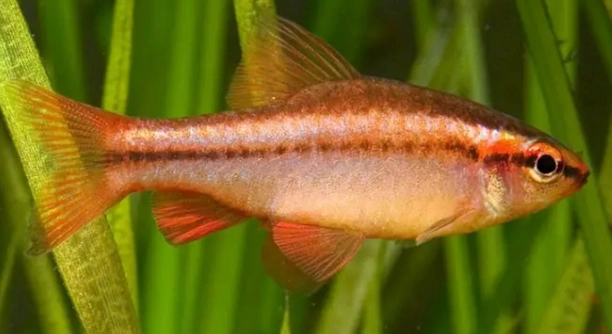
Cherry barbs are vibrant and playful fish, but they can be sensitive to temperature changes. Ensuring they stay at the right temperature is essential for their health. In this article, we explore how to tell if your cherry barbs are cold.
Cherry barbs are cold when their behavior slows down, and they may stay near the bottom of the tank. This change in activity often indicates the water temperature is too low for their comfort, affecting their overall well-being.
It’s important to notice early signs of cold temperatures so you can take action to help your cherry barbs thrive. The following tips will guide you through spotting the symptoms and ensuring they stay healthy in your aquarium.
How Cherry Barbs React to Cold Water
When cherry barbs are exposed to cold water, they show clear signs of discomfort. These small fish prefer water temperatures between 72°F and 80°F (22°C to 27°C). When the temperature drops, their activity level decreases. Instead of swimming actively, they may float near the bottom, looking sluggish. Their colors can also become dull, and they may stop eating as much. In some cases, they might appear stressed, hiding in plants or decorations. It’s important to observe these behavioral changes as a signal that the water might not be warm enough for them. Consistent cold stress can lead to weakened immune systems, making them more vulnerable to diseases.
Understanding the effect of cold water on cherry barbs is key to keeping them healthy. These temperature-sensitive fish rely on stable, warm water to thrive. Without it, their immune system becomes compromised, and they are more likely to fall ill.
In addition to these visible signs, cherry barbs might also breed less frequently when the water is too cold. Maintaining the right temperature encourages their natural behaviors, such as socializing and spawning. Ensuring your aquarium’s water remains at the proper temperature is crucial for their overall well-being and happiness.
Signs of Stress in Cherry Barbs
Stress is a common response to cold water in cherry barbs. Their behavior and health can quickly decline. When these fish experience cold temperatures, their immune systems weaken, making them more susceptible to infections. Maintaining a proper temperature is essential for their health.
If the water temperature remains too cold for extended periods, cherry barbs might experience more than just inactivity. They could develop diseases like ich or fin rot. Furthermore, prolonged exposure to cold conditions could lead to their untimely death if not addressed quickly. Regular monitoring of the aquarium’s temperature is essential for preventing these issues.
To help your cherry barbs stay healthy, invest in a good aquarium heater. A consistent water temperature ensures they remain active and vibrant. It’s also important to regularly check the water temperature with a thermometer. A stable environment supports their natural behaviors and reduces stress levels, keeping them happy and thriving in your aquarium.
Reduced Activity in Cherry Barbs
When cherry barbs are cold, they tend to slow down significantly. Instead of swimming around the tank, they often stay near the bottom or in shaded areas. Their usual playful behavior becomes less frequent, and they might only move when necessary. This lethargic behavior is a clear sign that the water is not at an ideal temperature.
You may also notice your cherry barbs becoming less interactive with other tank mates. They might avoid swimming in groups, which is a typical trait of these social fish when they’re comfortable. Instead, they might isolate themselves, possibly hiding in plants or decorations. These changes are common signs that their environment needs adjustment.
In extreme cases, a drop in water temperature can cause cherry barbs to become completely inactive. This lack of movement can lead to serious health issues. If not addressed promptly, prolonged periods of inactivity can weaken their immune system and make them more prone to disease. Keeping an eye on their activity levels is essential to detecting when the water temperature is too low.
Impact on Eating Habits
Cold temperatures often make cherry barbs lose their appetite. When the water is too cold, they may show little interest in food, which can cause them to become malnourished if the issue continues. Fish rely on a stable temperature to maintain their feeding routines, and any drastic changes affect their eating habits.
Not eating is a sign of stress, and cherry barbs, like many other fish, can experience it when their environment isn’t right. This can lead to further complications in their health. Over time, a lack of proper nutrition can result in stunted growth, weakened immune systems, and even death. So, if your cherry barbs are not eating, it’s a clear signal that something might be wrong with the water temperature.
As soon as you notice them eating less or refusing food, check the water temperature. If it’s too cold, adjust it gradually with a reliable aquarium heater. This simple adjustment can help restore your fish’s appetite and prevent further stress. A stable temperature will encourage normal eating behaviors, ensuring your cherry barbs remain healthy and active.
Hiding in Plants and Decorations
When the water is too cold, cherry barbs often seek shelter in plants and decorations. This behavior is a survival instinct, helping them avoid stress and conserve energy. They may spend more time hidden away, avoiding open spaces.
This hiding behavior is more common in stressed cherry barbs. Normally, they are social fish and enjoy interacting with their tank mates. However, when exposed to cold water, their instinct is to retreat to a safe space. If you notice them spending more time in these hiding spots, it’s a sign that the water temperature may need adjusting.
In their natural habitat, cherry barbs hide to protect themselves from predators. In the aquarium, however, this behavior is triggered by environmental stressors, like low water temperature. If the temperature isn’t corrected, they might remain in hiding, leading to further decline in their health and behavior. It’s essential to fix the temperature to encourage them to feel comfortable again.
Decreased Social Interaction
Cherry barbs are naturally social fish that enjoy swimming in groups. When they’re exposed to cold water, they often become less active and may isolate themselves from other tank mates. This change in behavior can be a sign of stress.
When cherry barbs are cold, their social behaviors become less prominent. Instead of swimming in the middle or upper parts of the tank, they might remain near the bottom or hide in corners. They may even avoid interacting with other fish. This is a clear indication that they’re not feeling comfortable in their environment, and the water temperature might need adjustment.
In an ideal setting, cherry barbs thrive when kept in groups. They are known to be peaceful and enjoy swimming together. When the water temperature drops, however, they tend to become more solitary. Correcting the water temperature can restore their usual social behavior, encouraging them to interact again.
Unusual Breeding Behavior
Cold water can have a negative effect on the breeding behavior of cherry barbs. These fish require stable, warmer temperatures to trigger their natural breeding instincts. When the water is too cold, they may stop breeding altogether.
Cherry barbs are known for their vibrant colors and active spawning behaviors when they are in optimal conditions. A drop in water temperature can lead to reduced courtship displays and lower chances of successful breeding. It’s important to maintain a stable temperature in the aquarium to encourage these natural behaviors.
If you’re attempting to breed cherry barbs, keeping the water within their ideal temperature range is critical. Cold conditions can cause a significant delay or halt in breeding attempts, leaving you with fewer chances of seeing your fish reproduce. Keeping the water warm is essential for encouraging this natural behavior.
FAQ
How do I know if the water temperature is too cold for my cherry barbs?
If the water temperature is too cold for your cherry barbs, you’ll notice several signs. They may become less active, spending most of their time near the bottom or in hiding spots like plants or decorations. Their color might also fade, and they may stop eating as much. A reliable way to check the temperature is by using an aquarium thermometer. If the water is below 72°F (22°C), it’s too cold for cherry barbs, and you should adjust the temperature accordingly. It’s important to make gradual changes, as sudden temperature shifts can cause additional stress.
Can cherry barbs survive in cold water for a long time?
Cherry barbs can survive short periods in cold water, but prolonged exposure to low temperatures can harm their health. Extended cold stress weakens their immune system, making them more susceptible to diseases. It can also cause them to stop eating and become lethargic, eventually leading to poor health or even death if not corrected. Keeping the water temperature stable between 72°F and 80°F (22°C to 27°C) is crucial for their well-being. Avoid leaving them in cold water for long periods, and make adjustments promptly to maintain a healthy environment.
What should I do if my cherry barbs are not eating due to cold water?
If your cherry barbs stop eating due to cold water, the first thing you should do is check the water temperature. If it’s below 72°F (22°C), it’s likely causing the loss of appetite. Gradually raise the temperature with a reliable aquarium heater to within the ideal range. Once the temperature is corrected, give your fish some time to adjust. You might also want to try offering different foods to tempt them back to eating. In the meantime, monitor their behavior and ensure the water stays stable to prevent further stress.
Can I use a heater to adjust the water temperature for my cherry barbs?
Yes, using a heater is the best way to maintain a stable and comfortable water temperature for your cherry barbs. A good aquarium heater will help you gradually raise the temperature if it’s too cold. Make sure to choose a heater that is the appropriate size for your tank. Use an aquarium thermometer to monitor the temperature closely to avoid overheating. Heating the water slowly is key, as rapid changes can stress out the fish and worsen their condition. Keeping the temperature in the 72°F to 80°F range ensures they stay healthy and active.
What other factors could be causing my cherry barbs to act sluggish or stressed?
While cold water is a common cause of stress for cherry barbs, there are other factors that could lead to sluggish behavior. Poor water quality, such as high ammonia levels, low oxygen, or incorrect pH, can also cause stress. Overcrowding, aggressive tank mates, and lack of hiding spots can further contribute to their discomfort. Make sure to perform regular water changes, check for any imbalances in the tank, and ensure your cherry barbs have enough space to swim freely. Also, keep an eye on your tank mates to ensure a peaceful environment.
How long can I leave my cherry barbs in colder water before it becomes harmful?
Cherry barbs can tolerate cooler water for short periods, but prolonged exposure to temperatures below 72°F (22°C) can start to negatively affect their health. If the temperature remains too low for more than a couple of days, they will become stressed, stop eating, and may become more susceptible to diseases. It’s best to act quickly to adjust the water temperature back to a comfortable range. However, if the water has been cold for an extended period, the barbs might need extra care, including possibly treating for any signs of illness caused by weakened immunity.
Can cherry barbs breed in cooler water?
No, cherry barbs need warmer water to breed successfully. Their natural breeding behavior is triggered when the water is in the optimal range of 72°F to 80°F (22°C to 27°C). If the temperature drops too low, their breeding activity can stop altogether. If you’re trying to breed your cherry barbs, ensure the water temperature stays consistent and within this range. Other factors, like water quality, also play a role in successful breeding. Keeping the environment stable will encourage the barbs to show their usual courtship behaviors.
What’s the ideal temperature for cherry barbs in the aquarium?
The ideal temperature for cherry barbs is between 72°F and 80°F (22°C to 27°C). This range promotes optimal health, activity, and breeding behavior. Temperatures below 72°F (22°C) can cause stress and lead to a decrease in appetite, inactivity, and even illness. It’s important to avoid fluctuations in temperature, as sudden drops or increases can also cause stress. A good aquarium heater can help maintain a consistent temperature, ensuring your cherry barbs stay comfortable and healthy.
How do I prevent my aquarium water from getting too cold?
To prevent your aquarium water from getting too cold, invest in a quality aquarium heater that can maintain the temperature within the ideal range. Regularly monitor the water temperature with an aquarium thermometer. If your home gets cold, place the tank away from drafts or windows that might cause temperature fluctuations. Additionally, consider adding a tank cover or insulating materials around the aquarium to keep the heat in. Avoid placing the tank near air conditioning or heating vents, as these can cause rapid temperature changes that are harmful to your fish.
Can cold water affect the lifespan of cherry barbs?
Yes, prolonged exposure to cold water can shorten the lifespan of cherry barbs. Cold stress weakens their immune systems, making them more susceptible to diseases. Over time, this stress can lead to reduced overall health, slower growth, and premature death. Maintaining a stable and warm water temperature is key to ensuring that your cherry barbs live a long and healthy life. Regularly monitor the water temperature and keep it within the ideal range to prevent long-term damage to your fish’s health.
Final Thoughts
Keeping cherry barbs healthy and happy in your aquarium requires attention to their environmental needs. One of the most important factors to monitor is the water temperature. These fish thrive in temperatures between 72°F and 80°F (22°C to 27°C). When the water drops below this range, cherry barbs can become stressed. They may show signs of discomfort, like reduced activity, faded colors, and a lack of appetite. If the temperature remains low for too long, it can lead to health problems and even shorten their lifespan. Regularly checking the water temperature with a thermometer and adjusting it with a reliable aquarium heater is essential to their well-being.
In addition to temperature, other factors like water quality and tank conditions also play a role in the health of your cherry barbs. Make sure to maintain clean water by doing regular water changes and checking for ammonia or nitrite buildup. It’s also important to ensure your tank isn’t overcrowded, as this can stress out your fish. Proper tank decorations, like plants and hiding spots, can help your fish feel secure and comfortable. Keeping the environment stable and safe will not only improve your cherry barbs’ health but also encourage natural behaviors like breeding and socializing.
If you notice any changes in your cherry barbs’ behavior, such as hiding more often or losing their appetite, it’s crucial to check the water temperature immediately. Cold water is one of the main causes of stress for these fish, but other issues like poor water quality can also affect them. By staying attentive to their needs and making adjustments when necessary, you can ensure your cherry barbs remain active, vibrant, and healthy. Providing a stable and comfortable environment will help your fish thrive for many years.

Hello,
If you enjoy the content that we create, please consider saying a "Thank You!" by leaving a tip.
Every little bit helps us continue crafting quality advice that supports the health, happiness, and well-being of pets around the world, for pets of all shapes, sizes, and species.
We really appreciate the kindness and support that you show us!