
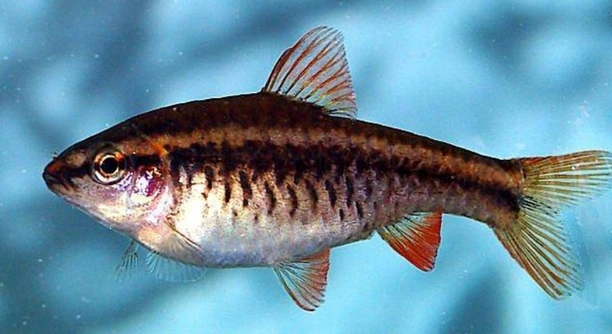
Have you ever watched your cherry barbs swimming at night and wondered how well they can see in low light? These colorful fish are known for their activity, but nighttime behavior can raise some questions.
Cherry barbs cannot see in complete darkness, but they do have good low-light vision due to a specialized layer in their eyes. This adaptation allows them to navigate dim environments, though they rely on other senses as well.
Understanding how cherry barbs experience nighttime can help you create a more natural and supportive environment for their daily rhythm.
How Cherry Barbs See in Low Light
Cherry barbs are naturally equipped to handle dim lighting thanks to their eye structure. These small fish have a layer in their retinas called the tapetum lucidum, which helps them detect movement and shapes even when light is limited. This feature is common in many fish species that live in shaded or murky environments. It reflects available light within the eye, making better use of what’s around them. While they can’t see in pitch darkness, their enhanced low-light vision allows them to move around and respond to their surroundings after the lights go out. This is especially helpful in tanks that mimic natural habitats with floating plants or subdued lighting. Their behavior may slow slightly at night, but they do not become completely inactive. It’s part of their adjustment to the rhythms of their environment. Providing a calm, dark space at night helps them settle into a routine.
These fish benefit from a tank setup that respects their natural behavior and light sensitivity.
Although cherry barbs can function in low light, they still depend on daily light and dark cycles to stay healthy. Their internal rhythm aligns with these changes, influencing how they eat, rest, and swim. Artificial lighting should simulate sunrise and sunset as closely as possible. A gradual light change is better than a sudden shift. Timers can help keep things consistent without you having to do it manually every day. This supports their well-being and reduces unnecessary stress. Lights should be turned off at the same time each night to reinforce that routine. If the room has some ambient light at night, it’s fine—they don’t need total darkness. Just avoid sudden bursts of bright light during resting hours. If they’re startled too often, it could affect their behavior over time. Creating a steady lighting schedule goes a long way in helping cherry barbs feel secure in their tank.
Supporting Their Nighttime Behavior
Most cherry barbs will naturally reduce activity when the lights go out, using the time to rest or hover near the bottom.
To support this, keep their environment predictable and calm. Avoid loud noises or tank maintenance late at night, as it can disturb their quiet time. Adding live plants or decorations that give them shelter also makes a difference. These fish feel safer when they have places to tuck into or explore without too much exposure. While they’re not nocturnal, they do enjoy hiding spots at night. If you use a background light in the room, keep it dim. Their enhanced vision can still pick up on subtle shifts, so a small amount of ambient light won’t harm them. Just keep it consistent. If you notice them swimming around a lot at night, check if there’s too much light or noise nearby. A steady, calm environment helps them maintain balance and stay relaxed after dark.
Ideal Lighting for Cherry Barb Tanks
Cherry barbs do best with moderate lighting during the day and complete darkness or soft ambient light at night. Keeping a balance helps reduce stress and supports their natural daily rhythm in a home aquarium setup.
Use an adjustable aquarium light set to mimic daylight for about 8 to 10 hours each day. This simulates a typical daytime cycle and helps with plant growth if you have live plants. Avoid lighting that’s too intense, as it can make the fish feel exposed and stressed. Floating plants or shaded areas created with decorations can help soften the light. At night, turn off the main light and allow the room’s ambient lighting to create a gentle transition to darkness. Avoid night lights unless necessary for other tank inhabitants. Stick to a routine—cherry barbs benefit from consistency. A timer can help maintain the schedule without requiring daily manual adjustment.
LED lighting with adjustable brightness is a good choice for cherry barb tanks. It allows you to set a consistent cycle and gently dim the light as evening approaches. Avoid blue night lights, as they can still disturb the fish during their rest phase. Blue light penetrates water more deeply and can disrupt sleep behaviors. If you’re using a planted tank setup, choose lighting that supports plant health without becoming overwhelming for the fish. Plants also offer natural shading that cherry barbs appreciate. Position the tank away from windows to prevent irregular natural lighting from confusing their routine. Monitor your fish for signs of light-related stress, like frantic swimming or hiding more than usual. These small signs help you adjust the lighting to better suit their needs and comfort. A consistent light-dark rhythm helps regulate their mood, appetite, and general well-being.
Cherry Barb Behavior in Darkness
Cherry barbs usually become still or swim slowly in low light. They may gather in sheltered spots or near the tank bottom where they feel safe and secure.
They use more than just vision to move around when it’s dark. Cherry barbs rely on their lateral line system, a sensory organ that detects water movement and vibrations. This helps them understand their surroundings even when visibility is low. You might notice they stay close to cover like plants or caves—this is normal and helps them feel protected. It doesn’t mean they’re scared, just cautious. If the lighting stays soft and the environment is quiet, they remain relaxed and calm. Sudden noise or a burst of light might cause a quick reaction, but they typically settle down again quickly. Observing them at night can give insight into their comfort level and the effectiveness of your tank setup.
Adjusting the Environment at Night
Keep tank surroundings quiet and free from sudden activity after the lights go out. Loud sounds or tapping on the glass can startle cherry barbs, even in low light, and cause them unnecessary stress.
Covering the tank partially with a cloth or background screen helps block out sudden bursts of light. This keeps their space more stable overnight and reduces stimulation from nearby lamps, TVs, or moving shadows.
How Tank Mates Affect Nighttime Behavior
Cherry barbs are peaceful and do well with other calm species that share similar day-night patterns. Avoid pairing them with overly active fish that swim around during the night. Nocturnal or aggressive tank mates can disturb the barbs during rest periods, leading to stress or hiding behavior. Look for species that also prefer low activity after dark and enjoy quiet environments. Good tank mates include small tetras, rasboras, or peaceful bottom dwellers like corydoras. All fish benefit from a steady light cycle, so aim to match the needs of your community to prevent disruptions in behavior or health. A balanced mix makes for a calmer nighttime tank.
Signs of Stress in Cherry Barbs
If cherry barbs swim erratically or hide constantly, their environment may not be comfortable at night. Adjust lighting and check for disruptions.
FAQ
Can cherry barbs see in total darkness?
No, cherry barbs cannot see in complete darkness. They have a special layer in their eyes called the tapetum lucidum, which helps them see in low light. This adaptation allows them to navigate and detect movement in dimly lit environments, but they still need some light to function properly. Total darkness will leave them unable to see, although they may rely on other senses, like their lateral line, to sense vibrations and movement in the water.
How much light do cherry barbs need?
Cherry barbs need moderate lighting, especially during the day. Aim for 8 to 10 hours of light per day to mimic natural sunlight cycles. Too much light can stress them out, while too little can affect their activity and health. At night, they prefer complete darkness or soft, ambient light. A consistent light-dark cycle helps maintain their internal rhythms and makes them feel secure.
Do cherry barbs need a nighttime light?
No, cherry barbs do not require a nighttime light. In fact, bright lights at night can disrupt their rest. They do well in natural light cycles, with the main light turned off after a set period. If your tank is in a bright room, consider using a dark cloth or background to block out excess light. This helps maintain a peaceful and secure environment for the fish.
Do cherry barbs get stressed in the dark?
Cherry barbs are not afraid of the dark, but they may feel stressed if exposed to abrupt changes in lighting or an environment that lacks suitable shelter. They prefer a calm, consistent setting where they can retreat into plants or decorations during the night. A sudden bright light or loud noise could startle them and cause stress. Their low-light vision allows them to feel comfortable in dim settings as long as the environment remains stable.
Can cherry barbs be kept with other species at night?
Yes, cherry barbs can be kept with peaceful tank mates that share similar lighting preferences. However, if you have fish that are more active at night or prefer low-light environments, you may need to adjust your setup. It’s important to ensure that the overall tank environment is calm, and all fish are able to rest during the night. Aggressive or overly active species can disturb cherry barbs, especially during their resting periods, so choose tank mates carefully to avoid stress.
What’s the best tank setup for cherry barbs at night?
The best setup includes moderate lighting during the day and a soft transition to darkness in the evening. Avoid harsh light and aim for gradual dimming, either through a timer or manual control. Adding live plants, caves, or decorations provides hiding spots for the fish, which makes them feel secure. Keep the tank environment quiet during the night and avoid sudden movements or loud sounds. If your tank is in a brightly lit room, use a background screen or cover the tank to block out unwanted light.
Can cherry barbs tolerate dim lighting during the day?
Yes, cherry barbs can tolerate dim lighting during the day, but they thrive with moderate, consistent lighting. If your tank is too dim, it could affect their ability to see properly and lead to poor health, especially for plants in the tank. Providing natural daylight or low-intensity LED lights is ideal. Keep in mind that while they can manage in dim conditions, they do better with a light cycle that mimics a natural day-night rhythm, which helps regulate their behavior.
How can I tell if my cherry barbs are comfortable at night?
Comfortable cherry barbs will rest in their favorite hiding spots or hover near the bottom of the tank at night. If they are constantly swimming or seem more active than usual, it could be a sign that they are stressed by lighting, noise, or other tank conditions. Look for signs of stress like erratic swimming, hiding more than usual, or refusal to eat. A calm tank setup with soft lighting and hiding spaces helps them settle in and relax during nighttime hours.
Is it okay to use blue lighting for cherry barbs?
Blue lighting should be avoided for cherry barbs at night. While it might look visually appealing, blue light can interfere with their ability to rest and disrupt their natural sleep patterns. Cherry barbs, like many fish, prefer a soft, warm light during the day, and no intense light at night. If you must use lighting at night, choose a gentle white or red light instead of blue, as it will cause less disturbance to their natural behavior.
How often should I adjust the lighting for cherry barbs?
Adjust the lighting schedule for cherry barbs based on a consistent 8 to 10 hours of light during the day. At night, turn off the main light and allow the fish to experience complete darkness or soft ambient lighting. There is no need for frequent adjustments; just ensure the lighting changes gradually. You can use a timer to maintain consistency in the tank’s light cycle, which helps reduce stress and supports the health of both the fish and any plants in the tank.
Can I use a filter light or a tank heater light with cherry barbs?
It’s best to avoid using a filter light or tank heater light as a primary light source for cherry barbs. These lights can be too bright and may disturb their rest periods. Instead, focus on providing natural or soft artificial lighting during the day and ensure that the tank is dark at night. If you do need to use a heater light for temperature control, ensure that it doesn’t emit too much light and that the rest of the tank is still dimly lit during the evening.
How can I make my cherry barbs feel safe at night?
Cherry barbs feel safest at night when they have plenty of hiding spots in their tank. Use plants, rocks, or caves to create areas where they can retreat and rest comfortably. Keeping the environment quiet and free from disturbances like sudden movements or noise will also help them feel secure. The lighting should gradually dim in the evening to match natural day-night cycles, ensuring that the fish aren’t startled by abrupt changes.
Final Thoughts
Cherry barbs are adaptable and easy to care for, making them a popular choice for many aquarium owners. They do well in a variety of light conditions, though they do have preferences when it comes to nighttime environments. Their ability to see in low light and navigate their surroundings helps them feel secure during the night, but they still rely on some light to avoid total darkness. Maintaining a stable environment with appropriate lighting and reducing disturbances at night will allow your cherry barbs to thrive.
When setting up their tank, it’s important to keep their needs in mind. While they can manage dim lighting, they thrive best with a consistent light cycle that mimics natural day and night rhythms. Ensuring the tank is quiet and free from stressors like bright lights, loud noises, or aggressive tank mates will help reduce any potential anxiety. They feel most comfortable when they have spaces to hide and rest, so providing plants and other hiding spots is essential for their well-being.
Caring for cherry barbs involves making small adjustments to their environment to keep them comfortable. By maintaining the right balance of light, temperature, and tank mates, you can create a peaceful, secure space for these fish. Cherry barbs, like all pets, require a bit of attention, but they are generally low-maintenance and enjoy a calm atmosphere. As long as their basic needs are met, they will likely flourish in your aquarium.

Hello,
If you enjoy the content that we create, please consider saying a "Thank You!" by leaving a tip.
Every little bit helps us continue crafting quality advice that supports the health, happiness, and well-being of pets around the world, for pets of all shapes, sizes, and species.
We really appreciate the kindness and support that you show us!