
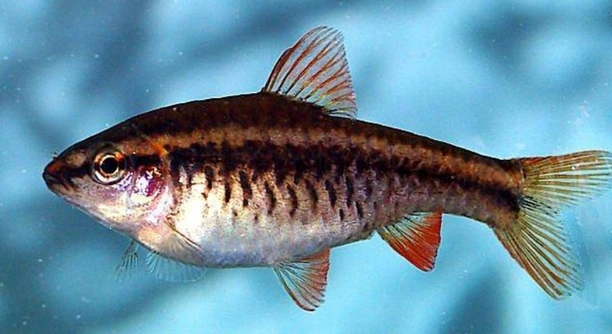
Cherry Barbs are popular aquarium fish known for their vibrant colors and active nature. However, certain tank conditions can stress them, leading to health problems. It’s essential to understand these factors to provide the best environment for your fish.
There are several key tank conditions that can cause stress to Cherry Barbs, including improper water temperature, poor water quality, insufficient tank size, high noise levels, aggressive tankmates, inadequate filtration, and low oxygen levels. Maintaining these conditions is vital for their well-being.
By maintaining optimal tank conditions, you can ensure your Cherry Barbs thrive and live healthily. Addressing these factors will make a significant difference in their comfort and happiness.
Water Temperature
Cherry Barbs prefer a consistent water temperature between 74°F and 80°F (23°C and 27°C). Any fluctuation beyond this range can cause stress, affecting their health and behavior. If the water is too warm or too cold, they may become lethargic or more susceptible to diseases. It’s crucial to use a reliable aquarium heater with a thermostat to maintain the ideal temperature range. Regularly check the water temperature with an aquarium thermometer to ensure stability. Sudden temperature changes, like from a water change or cold drafts, can be particularly harmful.
Water temperature affects more than just comfort; it plays a role in your Cherry Barb’s immune system. A stable temperature supports their metabolism and overall health, making them less prone to stress and disease. A heater with a thermometer is your best friend for preventing temperature-related issues.
In some cases, if the temperature is unstable or incorrect, Cherry Barbs may exhibit signs of distress such as increased breathing, erratic swimming, or loss of color. By keeping the water at a steady temperature, you’re ensuring your Cherry Barbs stay vibrant and active.
Water Quality
Maintaining water quality is essential for keeping your Cherry Barbs healthy. Poor water quality leads to stress and potential illness, and it’s crucial to keep ammonia, nitrites, and nitrates at safe levels. Regular water changes, filtration, and monitoring of water parameters will help maintain a balanced environment.
High levels of ammonia or nitrites are toxic to your Cherry Barbs and can cause severe stress. Excessive nitrates can also lead to poor health, manifesting in symptoms like lethargy or fin damage. Using a good filtration system and testing the water regularly will help you stay on top of these levels.
To reduce stress, aim for regular 20% to 25% water changes every one to two weeks. This helps maintain clean and safe water, improving the overall well-being of your Cherry Barbs. Proper filtration ensures harmful toxins are removed, keeping the water fresh for your fish.
Tank Size
Cherry Barbs need enough space to swim freely. A tank that’s too small will make them feel confined and stressed. Aim for at least a 20-gallon tank for a small group of Cherry Barbs. A larger tank is always better, as it helps maintain water quality and offers more room for movement.
In a cramped tank, Cherry Barbs might become aggressive or overly territorial. These behaviors can cause stress, leading to weakened immune systems. A 20-gallon tank or bigger will help keep the fish calm and ensure the water quality remains stable. Overcrowding in smaller tanks can also cause water conditions to deteriorate quickly.
Additionally, providing a larger space helps your Cherry Barbs feel more secure, reducing stress caused by other tank mates. The more room they have, the more natural their behavior will be. The extra space can also help keep their colors vibrant and their energy levels high, contributing to a healthier aquarium overall.
Tankmates
Cherry Barbs are peaceful fish, but aggressive tankmates can cause them significant stress. It’s important to avoid keeping them with overly territorial or large species that might intimidate or nip at them. Choose calm, community-friendly fish to keep them comfortable.
Ideal tankmates for Cherry Barbs include small tetras, rasboras, and other peaceful species that won’t threaten or dominate. These peaceful companions help keep Cherry Barbs relaxed and encourage natural behaviors. If you add any new fish, consider their temperament and size before introducing them to avoid stressing your Cherry Barbs.
Aggressive tankmates can lead to physical damage or constant stress, which can weaken your Cherry Barb’s health. A peaceful community tank not only reduces stress but also ensures that your Cherry Barbs can swim freely and interact with others in a calm environment.
Filtration
Proper filtration is essential for maintaining clean water. Without it, waste can quickly build up, leading to poor water quality that stresses Cherry Barbs. A filter with the right capacity for your tank size will help keep the water clean and your fish healthy.
Filters also help oxygenate the water, promoting better breathing conditions for your Cherry Barbs. Inadequate filtration can result in toxins like ammonia and nitrites building up, which can be harmful and cause stress. It’s important to clean the filter regularly to maintain efficiency and prevent clogging.
Ensure your filter doesn’t create too much current, though. While Cherry Barbs enjoy gentle water flow, strong currents can make them feel anxious and stressed, affecting their movement and behavior.
Oxygen Levels
Cherry Barbs thrive in well-oxygenated water. Low oxygen levels can cause stress and make them struggle to breathe properly. Using a good filtration system and an air stone can help maintain the right oxygen levels.
Stagnant water with low oxygen is a breeding ground for harmful bacteria, which can contribute to illness. Adding an air stone to your tank increases oxygenation and improves water circulation. Keep an eye on oxygen levels, especially in warmer water, as higher temperatures reduce the amount of dissolved oxygen.
When oxygen levels are adequate, your Cherry Barbs will be more active and healthy. It’s an easy step to ensure they stay comfortable and stress-free.
Lighting
Cherry Barbs are sensitive to lighting, and bright, harsh lights can cause stress. Providing a natural light cycle with dim lighting will help them feel more at ease. Make sure to avoid too much direct sunlight or intense artificial light in the tank.
FAQ
What are the signs that my Cherry Barbs are stressed?
Stressed Cherry Barbs will show changes in behavior, such as swimming erratically or hiding more than usual. They may also lose their color, become lethargic, or show signs of illness like faded fins or fin rot. If they seem to be more aggressive or territorial than normal, stress might be the cause. Monitoring their behavior closely can help you spot the issue early.
Can Cherry Barbs tolerate cold water?
Cherry Barbs are tropical fish, meaning they prefer warmer water temperatures between 74°F and 80°F (23°C to 27°C). While they can tolerate brief fluctuations outside this range, prolonged exposure to cold water (below 70°F/21°C) can weaken their immune system and lead to stress, making them more susceptible to diseases. It’s important to keep the water temperature stable to ensure their health and comfort.
How do I fix poor water quality in my Cherry Barb tank?
The best way to improve water quality is by performing regular water changes and using a good filtration system. Test the water regularly for ammonia, nitrites, and nitrates, ensuring that all levels are safe. If the levels are too high, increase the frequency of water changes, and make sure your filter is working properly. Also, remove any decaying plant matter or uneaten food that might contribute to poor water quality.
What type of filter is best for Cherry Barbs?
A filter with moderate water flow is ideal for Cherry Barbs. Too strong of a current can stress them out. A sponge filter or hang-on-back filter typically works well, as they provide efficient filtration without creating too much turbulence. Make sure the filter is sized properly for your tank, and clean it regularly to maintain its efficiency.
Can Cherry Barbs live with other fish?
Yes, Cherry Barbs are peaceful and do well in community tanks with other non-aggressive species. They get along with small tetras, rasboras, and other peaceful fish. However, avoid keeping them with large, aggressive fish that may stress or harm them. Tankmates should be similar in size and temperament to ensure a peaceful environment.
How many Cherry Barbs should I keep together?
Cherry Barbs are social fish and should be kept in groups. A minimum of 5 to 6 is recommended for a healthy and stress-free environment. Keeping them in a group helps reduce their stress levels, as they will feel safer and more comfortable in numbers. A larger group can also improve their social behavior and encourage more natural interactions.
Do Cherry Barbs need live plants in their tank?
While live plants are not a strict necessity, they help create a more natural environment for Cherry Barbs. Plants provide hiding spots, which can reduce stress and give your fish a sense of security. They also help maintain water quality by absorbing excess nutrients and providing oxygen. If you don’t have live plants, you can use artificial ones, but they won’t provide the same benefits.
How often should I change the water in a Cherry Barb tank?
Water changes are crucial for maintaining a healthy tank. For a Cherry Barb tank, aim to change 20% to 25% of the water every 1 to 2 weeks. Regular water changes help keep water quality high, remove waste, and prevent the buildup of harmful substances like ammonia and nitrates. Be sure to test the water before and after changes to ensure the levels are stable.
What temperature should the water be for Cherry Barbs?
The ideal temperature for Cherry Barbs is between 74°F and 80°F (23°C to 27°C). They can tolerate small fluctuations, but keeping the temperature within this range is key to their well-being. Avoid sudden temperature changes, as they can cause stress. Use an aquarium heater with a thermostat to maintain the temperature consistently.
Why are my Cherry Barbs hiding all the time?
If your Cherry Barbs are hiding frequently, it could be due to stress. Stress can be caused by poor water conditions, aggressive tankmates, or improper tank setup. Ensure the water quality is good, and check that the temperature is stable. Also, make sure they have enough hiding places or plants in the tank to feel secure. If they’re hiding all the time, it’s important to address any potential stress factors.
Final Thoughts
Cherry Barbs are vibrant and peaceful fish that thrive in well-maintained aquariums. By understanding their specific needs, such as tank size, water quality, and proper tankmates, you can create an environment where they feel comfortable and stress-free. Maintaining stable water conditions, such as proper filtration and temperature, is key to keeping them healthy. These fish are social creatures, so having a small group in a spacious tank is essential for their well-being.
When it comes to tankmates, it’s important to select peaceful species that won’t stress your Cherry Barbs. Aggressive or overly large fish can cause unnecessary tension and harm. Similarly, Cherry Barbs require a balanced diet to stay healthy. Providing them with high-quality fish food along with occasional live or frozen foods will help them thrive. Proper care also includes regular water changes to ensure the water remains clean and free of harmful toxins.
In conclusion, taking the time to understand the needs of Cherry Barbs and providing them with a suitable environment will lead to happier, healthier fish. By managing their living conditions—temperature, water quality, and tankmates—you can ensure that your Cherry Barbs live long, fulfilling lives. Regular maintenance and observation of their behavior will also help you spot and address any potential stressors early. With the right care, these small fish can bring beauty and joy to your aquarium for years to come.

Hello,
If you enjoy the content that we create, please consider saying a "Thank You!" by leaving a tip.
Every little bit helps us continue crafting quality advice that supports the health, happiness, and well-being of pets around the world, for pets of all shapes, sizes, and species.
We really appreciate the kindness and support that you show us!