
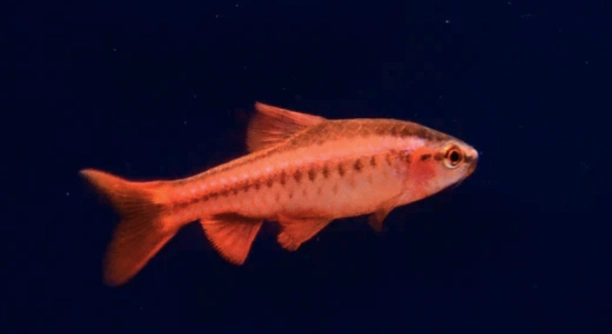
Cherry Barbs are popular aquarium fish that can be tricky to identify when young, especially when determining their sex. If you’re raising them and are curious about how to tell if a Cherry Barb is male, there are some key differences to observe. Knowing these traits early can help with tank planning and breeding.
The main way to identify a male Cherry Barb is by its bright, vibrant coloration, which becomes more intense as it matures. Males typically have a smaller, slimmer body compared to females and may display more pronounced colors, especially when they’re ready to breed.
Learning how to spot these differences will help you better understand their behavior and needs in your tank. Keep reading to explore the key characteristics that distinguish male Cherry Barbs from females at a young age.
Physical Characteristics of Male Cherry Barbs
Male Cherry Barbs are known for their vibrant and colorful appearance. As they mature, their colors become more intense, especially during the breeding season. While both males and females are red in color, the males have a brighter, more vivid hue. The male’s body is also smaller and slimmer compared to the female’s rounder, fuller shape. These physical traits make males stand out more, especially in a group of Cherry Barbs.
Males have an elongated body shape, with a noticeable slenderness that females lack. Their fins tend to be more pointed and they often show a stronger contrast in color, especially when they are displaying courtship behaviors.
Understanding these traits will help you accurately identify male Cherry Barbs at a young age. These differences are essential for anyone looking to breed or simply observe the fish’s natural behaviors. The males are generally more active, swimming around more, and often chase after females when they are ready to mate.
Behavior of Male Cherry Barbs
Male Cherry Barbs exhibit specific behaviors that are key indicators of their sex. When they are courting, they display their vibrant colors and perform little displays by swimming around females. Their movements are quick and erratic, showing off their bright colors to attract attention. The males also tend to be more assertive when it comes to feeding, sometimes pushing other fish away from food sources.
These behaviors are noticeable early on, even if the males haven’t fully matured. As they grow older, the intensity of their display increases. Male Cherry Barbs will engage in this behavior when there is a female present or when they feel territorial. This activity is often most apparent when the males are around other males, showing dominance through displays of color and swift movements.
Recognizing these behavioral patterns can help you distinguish between male and female Cherry Barbs even when they are still young. This will be especially useful if you’re trying to ensure a balanced tank or are preparing for breeding.
Size Differences Between Male and Female Cherry Barbs
Male Cherry Barbs are typically smaller than females. This size difference becomes more noticeable as they mature. While both genders are similar in length early on, the males tend to have a more compact, slender body. This is part of their overall streamlined look.
Females, on the other hand, have a fuller, rounder belly, especially when they are carrying eggs. This difference is visible even at a young age if you observe closely. Male Cherry Barbs also generally grow at a slower rate, which leads to the noticeable size gap between them and the females as they mature.
While size isn’t the most prominent trait in identifying sex, it still plays an important role. If you compare a group of young Cherry Barbs, the males will often be noticeably thinner and shorter than their female counterparts. This can make it easier to sort out the males, especially if you’re looking to breed them.
Color Changes Over Time
The color of male Cherry Barbs becomes more vibrant and intense as they grow older. When they are young, both sexes share similar coloring, usually a dull red. However, as they approach maturity, the males begin to exhibit a much brighter, more vivid red coloration. This is one of the most reliable ways to tell if a Cherry Barb is male, especially when they reach the breeding age.
As the males get older, their coloration deepens and becomes a more saturated red with hints of orange along their bodies. The males may also develop darker markings on their fins and tails, creating a more striking appearance. These color changes are a sign that the male is becoming sexually mature, which helps in identifying their gender.
If you have a group of young Cherry Barbs, it’s important to note that the color change might not be immediate. It may take several months for the males to show their full color, making it tricky to differentiate them from females early on. However, once the males’ bright red hues appear, it becomes clear who the males are in the group.
Fins and Tail Differences
Male Cherry Barbs have more distinct fins compared to females. Their dorsal and anal fins are typically longer and more pointed. This sharpness in the fins becomes more evident as they mature. Females have rounder, softer fins that are less pronounced.
Additionally, the tail fin of male Cherry Barbs is usually more elongated and pointed, while the female’s tail fin is more rounded. These differences may not be immediately noticeable in younger fish but become clearer as the males grow. The males’ fins and tail are part of what makes them stand out from females.
Activity Levels and Aggression
Male Cherry Barbs are generally more active and aggressive than females. This behavior is especially visible during the breeding season when they actively chase and display their bright colors to attract mates. They will swim around more frequently and aggressively interact with each other.
Females, on the other hand, tend to be more passive and relaxed in comparison. They spend more time near the bottom of the tank, feeding or resting. The males’ increased activity levels and territorial behavior are clear signs of their readiness to mate and show dominance.
Swimming Patterns
Male Cherry Barbs are known to swim in quick, darting movements. They often chase each other or the females, displaying their bright colors in the process. These energetic swimming patterns are typically seen when they are trying to impress a female or assert dominance over other males.
Females, however, swim in a more leisurely and slower manner. They are less likely to engage in fast, territorial displays. This difference in swimming behavior is another clue to identifying male Cherry Barbs, especially during the breeding season when the males become more visibly active.
FAQ
How can I tell the difference between a male and female Cherry Barb when they are young?
When Cherry Barbs are young, it can be tricky to tell the males apart from the females. At this stage, both genders tend to look quite similar. However, you can start noticing subtle differences in size and body shape. Males are usually smaller, with a more slender and elongated body, while females are rounder, especially around the belly when they carry eggs. The males might also show the early stages of color development, with their hues beginning to brighten slightly. As they grow, these differences become much clearer.
Do male Cherry Barbs always have brighter colors than females?
Yes, male Cherry Barbs typically have brighter, more vivid colors compared to females. The males often develop a deep red or orange-red hue, especially as they mature. Females, on the other hand, tend to have a paler or more muted coloration. This color difference becomes most noticeable when the males are ready to breed, as they intensify their red hues to attract mates. If you notice a more intense, vibrant red on a Cherry Barb, it’s likely a male.
Can I identify a male Cherry Barb by its fins?
Yes, male Cherry Barbs have more prominent, elongated fins compared to females. The males’ dorsal and anal fins are usually longer and pointier, while the females’ fins are shorter and rounder. These differences become more noticeable as the fish mature, especially when they are in breeding condition. The males’ fins help them stand out from females, making it easier to identify them once you are familiar with their traits.
How long does it take for a Cherry Barb to develop male characteristics?
It typically takes a few months for male Cherry Barbs to start showing their distinguishing features, such as their vibrant color and more prominent fins. While the exact timeline can vary, you can usually start to see clear signs of their male traits by the time they are around 3 to 4 months old. However, the brightest colors and more noticeable fin differences might not appear until they are closer to 6 months or older.
Are male Cherry Barbs more aggressive than females?
Yes, male Cherry Barbs are generally more aggressive and active than females. This is particularly true during the breeding season when they display their bright colors and chase after females. Males will often engage in territorial behavior, especially when other males are present, and they may swim quickly and erratically. Females tend to be less aggressive and more passive, spending more time near the bottom of the tank.
Can a Cherry Barb male’s color change over time?
Yes, the color of male Cherry Barbs can change as they grow older. When they are young, they might have a duller coloration, but as they mature, their red hues become more vibrant. During breeding periods, males will intensify their colors to attract females. These changes can occur over several months, with the colors becoming more vivid and pronounced as the male reaches full maturity. This change is one of the most noticeable signs of a male Cherry Barb.
Do male Cherry Barbs require different care than females?
No, male and female Cherry Barbs require the same general care. Both sexes thrive in similar tank conditions, such as a well-maintained tank with clean water and a balanced diet. However, males may require more space due to their active nature, especially if you’re keeping more than one male. Since males can sometimes be territorial, it’s important to make sure your tank has enough hiding spots and space to reduce stress and aggression.
Can male Cherry Barbs live with other males?
Male Cherry Barbs can live with other males, but there might be some aggression, especially in smaller tanks or when they are in breeding condition. Males tend to be territorial, so having more than one male in the same tank can sometimes lead to fights. However, if the tank is large enough with plenty of hiding spots, multiple males can coexist peacefully. It’s a good idea to have a higher ratio of females to males in the tank to keep aggression levels lower.
What should I do if I can’t tell if my Cherry Barb is male or female?
If you’re having trouble telling whether your Cherry Barb is male or female, don’t worry. You can wait for a few more months as the fish grow and develop. As the fish mature, the differences between males and females become more noticeable, especially in terms of color, size, and behavior. You can also monitor their swimming patterns and activity. If your fish is more active and has brighter colors, it’s likely a male. If it’s rounder and more passive, it’s likely a female.
How can I encourage my male Cherry Barb to show its colors?
To encourage a male Cherry Barb to show its full color, you should ensure it has an environment that mimics its natural habitat. Provide a well-planted tank with plenty of space to swim and a varied diet. Males tend to show off their colors more during breeding season, so having females in the tank can trigger this behavior. Regular water changes and maintaining optimal water conditions will also help the male reach its full color potential.
Final Thoughts
Identifying male Cherry Barbs when they are young can be challenging, but it’s not impossible. By looking for key physical and behavioral differences, you can start to spot the males. Their smaller, slimmer bodies, along with their vibrant red colors that become more intense as they mature, are the main indicators. As the males grow, they also develop longer, more pointed fins compared to the females, making it easier to tell them apart. Even though these traits may not be visible right away, you will begin to notice them more clearly as the fish mature.
Understanding the behaviors of male Cherry Barbs also helps with identification. Males tend to be more active and aggressive, especially when it comes to courting females or establishing territory. Their energetic movements, darting around and showing off their colors, are typical of a male preparing to breed. On the other hand, females are generally less active and more passive. They spend more time near the bottom of the tank, and their behavior is not as focused on displaying or chasing. These behavior differences can be just as helpful as physical traits when it comes to distinguishing between the sexes.
In the end, knowing how to tell if a Cherry Barb is male when young can help you with tank management, breeding, and simply understanding your fish better. While it may take some time for the males to develop their full appearance, patience and observation will give you the answers you need. It’s important to create an environment where both males and females feel comfortable, so they can thrive. By paying attention to size, color, fin shape, and activity levels, you’ll be able to confidently identify your male Cherry Barbs as they grow.

Hello,
If you enjoy the content that we create, please consider saying a "Thank You!" by leaving a tip.
Every little bit helps us continue crafting quality advice that supports the health, happiness, and well-being of pets around the world, for pets of all shapes, sizes, and species.
We really appreciate the kindness and support that you show us!