
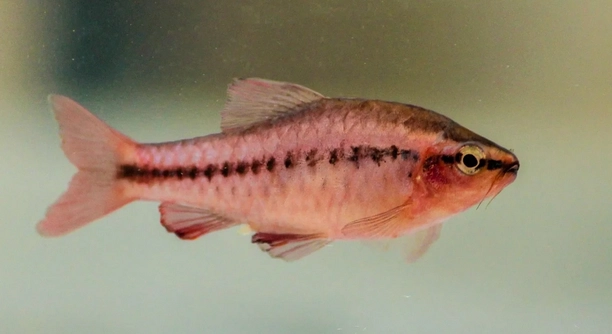
Setting up the perfect tank for your cherry barb goes beyond the basics of water conditions and plants. A few extra items can enhance their environment and enrich their lives, leading to a thriving tank.
The addition of specific items such as hiding spots, substrate, and live plants can significantly improve your cherry barb’s health and well-being. These tank additions provide comfort, reduce stress, and encourage natural behaviors, ultimately creating a balanced ecosystem.
These simple additions can make a big difference in your cherry barb’s life. Understanding what works best will ensure a healthy and vibrant environment for your fish.
The Best Hiding Spots for Your Cherry Barbs
Cherry barbs are naturally shy, and providing hiding spots is essential to help them feel secure. These fish are not aggressive but appreciate having places to retreat to when they feel threatened or stressed. Adding caves, rocks, or plants to the tank will give them the space they need to swim freely while also ensuring they have privacy when needed.
To set up hiding spots effectively, use smooth rocks or ornaments with wide openings. Avoid sharp or jagged edges that could injure your fish. Dense plants are also an excellent choice, as they offer both shelter and a natural appearance to your tank.
Remember, these hiding spots should be spread throughout the tank to avoid overcrowding in one area. This setup gives your cherry barbs enough options to feel comfortable. You can place them near the back or corners of the tank, ensuring the fish have plenty of space to explore without feeling cornered.
Ideal Substrate for Cherry Barb Tanks
The right substrate is crucial for maintaining a healthy tank. Opt for a soft, fine substrate like sand or small gravel that won’t hurt your cherry barbs’ delicate barbels.
Incorporating the right substrate also plays a role in promoting healthy plant growth. Plants like Java moss or Anubias thrive in a substrate that doesn’t compact too easily. The right balance will help with both your fish’s comfort and the overall aesthetics of the tank.
Live Plants for Cherry Barbs
Live plants are a must for any cherry barb tank. They not only enhance the aesthetic of the aquarium but also help create a more natural environment. Plants provide oxygen, absorb excess nutrients, and offer your fish a sense of security.
In addition to the visual benefits, plants play an essential role in maintaining water quality. They act as natural filters, reducing algae growth and stabilizing water parameters. Easy-to-maintain plants like Java fern, Anubias, or Hornwort are perfect for cherry barb tanks.
When selecting plants, make sure they won’t overcrowd the tank. Leave space for your fish to swim comfortably. You can also anchor plants to rocks or driftwood for better placement and visual appeal. Proper plant care ensures your cherry barbs enjoy a clean, natural environment.
Water Conditions for Cherry Barbs
Cherry barbs thrive in slightly acidic to neutral water conditions. Maintaining a stable water temperature between 72°F and 80°F is essential to their health. Regular testing of water parameters can help keep them in an optimal range.
Stable water conditions reduce stress on your fish, improving their overall well-being. Fluctuating water conditions can lead to illness or abnormal behavior in cherry barbs. Always monitor ammonia, nitrate, and nitrite levels to ensure the water remains safe for them. Investing in a reliable water testing kit will make it easier to stay on top of these parameters.
Make sure to perform regular water changes to keep your tank’s environment clean and healthy. Consistent water maintenance ensures your cherry barbs remain in their ideal living conditions, supporting both their growth and longevity.
Filter Type for Cherry Barbs
A good filter is essential for keeping your cherry barbs’ tank clean. A gentle filter works best, as strong currents can stress out your fish. Ensure the filter doesn’t create too much turbulence, as cherry barbs prefer calm water.
Use a filter that provides mechanical, biological, and chemical filtration to maintain water quality. It’s important to choose a filter suited to your tank size to prevent overworking the system. A filter with adjustable flow settings allows you to control the current, ensuring a peaceful environment for your fish.
Tank Size for Cherry Barbs
For optimal growth and health, a tank size of at least 20 gallons is recommended. Larger tanks provide more room for swimming and reduce the stress that can come with overcrowding.
A spacious tank also allows for a better plant setup and hiding spots. Additionally, a larger tank is easier to maintain as it keeps water parameters more stable, which is beneficial for your cherry barbs. Make sure to leave plenty of space for your fish to thrive.
FAQ
How many cherry barbs should be kept together?
Cherry barbs are social fish and should be kept in groups. Ideally, you should have at least five or six cherry barbs in a tank to ensure they feel comfortable and secure. A larger group helps them display their natural behavior and reduces stress. In smaller groups, individual fish may become skittish and hide more often, making it harder for them to thrive. A school of six or more cherry barbs provides a more relaxed, natural environment, encouraging their active and playful nature.
Can cherry barbs live with other fish?
Yes, cherry barbs are peaceful and make excellent community fish. They do well with a variety of non-aggressive species, such as tetras, rasboras, or small gouramis. Avoid keeping them with larger, more aggressive fish that might intimidate or harm them. Also, keep an eye on water conditions, as different species may have slightly varying needs. As long as you select compatible tankmates and provide proper space, cherry barbs will coexist peacefully with other community fish.
Do cherry barbs need a heater in their tank?
Yes, a heater is recommended for cherry barbs, especially if the water temperature in your home fluctuates. These fish thrive in a temperature range of 72°F to 80°F, and maintaining a consistent temperature is crucial for their health. A reliable aquarium heater helps ensure the water stays within the appropriate range, preventing temperature stress. If your home’s temperature stays steady and within this range, you might not need a heater, but it’s generally safer to provide one to avoid unexpected temperature drops.
What should I feed my cherry barbs?
Cherry barbs are omnivorous and will eat a variety of foods. A balanced diet is key to their health. Offer them high-quality flake food or pellets, supplemented with live or frozen foods like brine shrimp, bloodworms, or daphnia. You can also include vegetables like spinach or peas, but make sure to remove uneaten food promptly to avoid water contamination. Feeding them twice a day is generally enough, and ensure the food you provide is suitable for their small size.
How can I tell if my cherry barbs are stressed?
Stressed cherry barbs may exhibit unusual behavior such as excessive hiding, lack of appetite, or rapid swimming. Their colors may also fade, and they might appear lethargic or swim erratically. Stress can be caused by poor water conditions, incompatible tankmates, or insufficient hiding spots. Regularly test the water for ammonia, nitrate, and nitrite levels, and ensure the temperature is stable. Adding more hiding spots or increasing the number of fish in their group may help reduce stress.
Do cherry barbs breed in a community tank?
While it’s possible for cherry barbs to breed in a community tank, it’s not very common. These fish prefer to breed in a separate breeding tank, where conditions like water temperature and lighting can be carefully controlled. If you do want to encourage breeding in a community tank, ensure that you have a good balance of males and females and provide plenty of plants for the eggs to stick to. Keep in mind that the adult fish may eat the eggs, so having a separate tank or breeding net can improve your chances of successful breeding.
What is the lifespan of a cherry barb?
Cherry barbs typically live for 3 to 5 years, though some may live longer with proper care. Their lifespan is influenced by water conditions, diet, and tank maintenance. Keeping your tank clean, maintaining stable water parameters, and providing a balanced diet can help extend their lifespan. Regular water changes and careful monitoring of their health will also contribute to a longer, healthier life.
Can cherry barbs jump out of the tank?
Yes, cherry barbs can sometimes jump out of the tank, especially if they are startled. To prevent this, make sure your aquarium has a secure lid or cover. Even though they are not known for jumping excessively, it’s always better to be cautious, especially in tanks with open tops. A secure lid will prevent accidents and keep your fish safe.
What are the signs of disease in cherry barbs?
Cherry barbs are generally hardy fish, but they can still fall ill. Common signs of illness include faded or discolored skin, clamped fins, lethargy, loss of appetite, or abnormal swimming patterns. If you notice any of these symptoms, it’s important to isolate the affected fish and treat them immediately. Common diseases in cherry barbs include ich (white spot disease) and fin rot. Make sure to keep the water clean and stable to prevent illness and seek advice from a professional if necessary.
Do cherry barbs require special lighting?
Cherry barbs do not have specific lighting requirements, but it’s essential to provide a balanced light cycle. A standard aquarium light, with 8-10 hours of light per day, is usually enough to support plant growth and mimic the natural day-night cycle. However, ensure the lighting is not too intense, as excessive lighting can cause algae growth and stress the fish. Low-to-medium lighting works best for these fish, creating a peaceful environment while supporting plant life in the tank.
Final Thoughts
Cherry barbs are a great addition to any aquarium, offering a peaceful and vibrant presence. Their small size and calm nature make them ideal for community tanks, where they can interact with other peaceful species. With proper care, including a balanced diet, stable water conditions, and appropriate tankmates, cherry barbs thrive and can live a healthy life. They are relatively easy to care for, making them suitable for both beginner and experienced aquarium owners.
Maintaining the right water temperature and parameters is crucial for their well-being. Regular water changes, monitoring water quality, and providing hiding spots and plants help create a safe environment. Ensuring that your cherry barbs have enough space and companions can make a significant difference in their happiness. They are social fish, and having at least five or six in a tank will help them feel secure and comfortable. A large tank can also help provide a more stable environment, which is essential for their health.
While cherry barbs are hardy fish, attention to detail in their care will help them flourish. Regularly checking the water quality and avoiding tankmates that may cause stress will prevent common issues. By understanding their basic needs and ensuring they have a well-maintained tank, you can enjoy the beauty and activity of cherry barbs for years. Their simple yet lively nature makes them an excellent choice for anyone looking to add color and movement to their aquarium.

Hello,
If you enjoy the content that we create, please consider saying a "Thank You!" by leaving a tip.
Every little bit helps us continue crafting quality advice that supports the health, happiness, and well-being of pets around the world, for pets of all shapes, sizes, and species.
We really appreciate the kindness and support that you show us!