
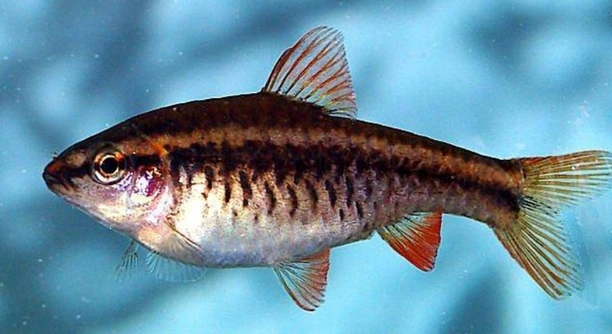
Are your cherry barbs looking a little too round or acting less lively than usual after feeding time? It might be time to take a closer look at their daily meal portions and habits.
Overfeeding cherry barbs can lead to health problems such as bloating, digestive issues, and water contamination. These issues can reduce their activity level, increase stress, and shorten their lifespan. Maintaining a balanced feeding routine is essential for their well-being.
Small signs can go unnoticed, but understanding them will help you keep your cherry barbs healthy and active for longer.
1. Bloated Appearance
A bloated cherry barb isn’t always easy to spot at first, but over time, the difference becomes more noticeable. Their round bellies can be a clear sign they’re being overfed, especially if they start to appear swollen or puffy right after meals. Fish naturally expand a little after eating, but persistent roundness or an uneven body shape could mean they’re getting too much food. This excess can lead to internal pressure, impacting their ability to swim properly and potentially affecting their organ function. Overfeeding also puts stress on their digestive system, which can lead to other health issues if not corrected quickly.
Bloating can also increase the risk of constipation, which is uncomfortable for fish and may result in long-term damage if left unchecked.
Spotting this sign early gives you the chance to reduce feeding and improve their health before more serious problems develop.
2. Leftover Food in the Tank
Leftover food is one of the easiest signs that your cherry barbs are getting more than they need.
When uneaten food sinks to the bottom of the tank or floats around uneaten, it quickly begins to break down. This can raise ammonia levels and make the water unsafe, putting stress on your fish. Cherry barbs are not known to be wasteful eaters, so if they’re ignoring flakes or pellets, it often means they’ve had enough. Feeding them too much out of habit or routine can easily lead to buildup. Make sure to observe how much they eat within a few minutes and remove any extra right away. It helps keep the tank clean and your barbs healthy. Reducing the portion by small amounts can quickly fix this issue without making them go hungry. Over time, you’ll find a more balanced amount that keeps them full without leaving leftovers behind.
3. Decreased Activity Level
When cherry barbs are overfed, they may become less active and spend more time resting near the bottom of the tank. This sluggish behavior can signal discomfort or digestive stress from too much food.
Overfeeding impacts their energy levels and overall behavior. Fish that normally swim around playfully may slow down or isolate themselves. The excess food can overload their systems, making them feel heavy and bloated. This can also reduce their interest in interacting with other fish or exploring their environment. A drop in activity doesn’t always mean something serious, but when paired with other signs like bloating or leftover food, it’s worth taking action. Adjusting feeding schedules and portion sizes often brings their energy back. Monitor their response to these changes—if they perk up and become more active again, it’s a clear sign that overfeeding was affecting their mood and movement.
If ignored, prolonged inactivity may lead to more serious complications. A weakened immune system, stress-related illnesses, and a reduced ability to handle changes in water quality are all risks associated with overfeeding. Observing their behavior consistently and noting any shifts helps catch problems early. Healthy, well-fed cherry barbs are curious and alert, not slow or hiding away in corners.
4. Cloudy or Smelly Water
Cloudy or smelly water is a direct result of decaying uneaten food and excess waste. This makes the tank unsafe and stressful for your cherry barbs.
Overfeeding increases the amount of organic waste in the tank. As food breaks down, it releases compounds that affect water clarity and odor. These changes may not seem major at first, but they can quickly lead to ammonia spikes, affecting your fish’s health. A well-maintained tank should have clear, neutral-smelling water. If the smell is strong or the water looks murky, it’s likely due to rotting leftovers. Regular cleaning helps, but the problem often starts with feeding too much. By cutting back slightly and removing uneaten food after feeding, you can maintain a healthier balance. Clean filters, consistent water changes, and proper feeding habits work together to prevent build-up and keep your tank clear and fresh.
5. Frequent Waste Production
Cherry barbs that are overfed often produce more waste than usual. You might notice more debris settling at the bottom of the tank or being pulled into the filter. This extra waste can quickly affect water quality.
Extra waste not only looks messy but also increases the chances of ammonia buildup. Frequent water changes might become necessary, but they’re only a short-term fix if overfeeding continues.
6. Reduced Interest in Food
Overfeeding can cause your cherry barbs to lose interest in meals. If they start ignoring food or only nibble lightly, it may be because they’re already full. Fish that are fed too often may stop recognizing feeding time as necessary or exciting. Giving them a small fast period helps reset their appetite.
7. Gasping Near the Surface
Cherry barbs gasping near the surface could be reacting to poor water quality caused by overfeeding. Excess food and waste reduce oxygen levels and increase toxins, making it harder for them to breathe comfortably.
FAQ
How often should I feed my cherry barbs?
Cherry barbs should be fed once or twice a day, depending on their age and activity level. A single small pinch of food that they can finish within two to three minutes is usually enough. Overfeeding them leads to several problems like bloating, inactivity, and dirty water. If you notice food sinking to the bottom or being ignored, it’s time to reduce the portion. On certain days, especially if the tank has live plants or other natural food sources, skipping a feeding can actually be beneficial. Giving their digestive systems a short break helps prevent long-term health issues.
What happens if I accidentally overfeed them once?
One instance of overfeeding won’t likely cause harm, especially if you catch it quickly. The key is to remove any leftover food right away using a net or siphon before it starts to decay. Keeping a close eye on their behavior afterward helps spot any mild changes, like bloating or sluggishness. If symptoms appear, skip the next feeding to allow their system to reset. It’s also a good idea to check water quality after accidental overfeeding, since even one extra feeding can slightly impact the ammonia levels in smaller tanks.
Why is leftover food in the tank a problem?
Leftover food breaks down and releases waste into the water, which can raise ammonia, nitrites, and nitrates—compounds harmful to fish. It also clogs filters, leads to cloudy water, and causes foul smells. These conditions can stress your cherry barbs, making them more prone to illness or infections. A small tank will be affected faster than a larger one, so it’s important to remove uneaten food right after feeding. Good feeding habits are just as important as regular tank maintenance for keeping a healthy aquarium environment.
Can I skip feeding my cherry barbs sometimes?
Yes, skipping a day of feeding once a week is actually helpful for adult cherry barbs. It allows their digestive system to rest and clears out any excess food in their stomachs. This small break also reduces waste production in the tank and helps maintain water quality. As long as the fish are healthy and well-fed on other days, skipping a meal occasionally won’t harm them. Just be sure to monitor their behavior and keep portions under control during regular feedings.
What should I do if my cherry barb looks bloated?
First, stop feeding for 24 to 48 hours and observe the fish closely. Most mild bloating cases improve with a short fast. Make sure the water is clean and that your barb is still swimming comfortably. If the bloating continues, switch to easily digestible foods like shelled peas, which can help clear out their system. Avoid high-fat or dry foods for a few days. If the condition worsens or the fish begins floating oddly, a more serious issue could be present, and you may need to consult a vet who specializes in fish.
How do I know I’m feeding the right amount?
A good rule is to feed an amount your cherry barbs can eat within two minutes. If you notice food floating or settling in the gravel after that time, it’s likely too much. Try starting with a small pinch and only increase slightly if you have a larger group of fish. Watching how quickly they eat and how active they remain afterward can help you fine-tune the amount. It’s better to slightly underfeed than to risk overfeeding and dealing with bloating, dirty water, or reduced energy levels.
Can overfeeding cause death in cherry barbs?
Yes, in severe cases, overfeeding can lead to fatal conditions. The constant presence of uneaten food contributes to poor water quality, which stresses the fish and weakens their immune system. Prolonged bloating, swim bladder issues, or internal organ damage may follow. If untreated, these conditions can lead to death. Regular monitoring and consistent, moderate feeding help prevent these risks. Keeping an eye on their appearance and behavior gives early clues, and adjusting feeding habits promptly can keep your cherry barbs healthy and active.
Final Thoughts
Overfeeding cherry barbs may seem harmless at first, but it can lead to several health and tank issues. These small fish have simple dietary needs, and giving them more food than necessary can do more harm than good. When food is left uneaten, it affects water quality and creates an unhealthy environment. That’s why watching how much they eat and keeping their feeding schedule balanced is important. A small change in feeding habits can make a big difference in their health and the overall condition of the tank. Feeding less is often better than feeding too much.
It’s also helpful to observe your cherry barbs closely each day. Their behavior, appearance, and appetite will give you clues about their overall well-being. If you notice bloating, changes in energy, or a buildup of waste, it may be time to adjust how much and how often you feed them. Small corrections can prevent larger problems later on. Tank maintenance and water changes are still essential, but good feeding habits reduce how often those tasks need to be done. Clean water and a simple diet work together to support their health. These small fish thrive when their care is kept simple and steady.
Consistency is key. Stick to a basic feeding routine, and avoid feeding out of habit or emotion. It’s easy to give them an extra pinch of food because they look eager, but that doesn’t mean they need more. Over time, your cherry barbs will stay more active, colorful, and healthy when they are not overfed. Their tank will also be cleaner, making care easier for you. Building these habits early helps prevent problems and keeps things running smoothly. With regular observation and a gentle feeding approach, your cherry barbs can live longer, healthier lives in a stable environment.

Hello,
If you enjoy the content that we create, please consider saying a "Thank You!" by leaving a tip.
Every little bit helps us continue crafting quality advice that supports the health, happiness, and well-being of pets around the world, for pets of all shapes, sizes, and species.
We really appreciate the kindness and support that you show us!