
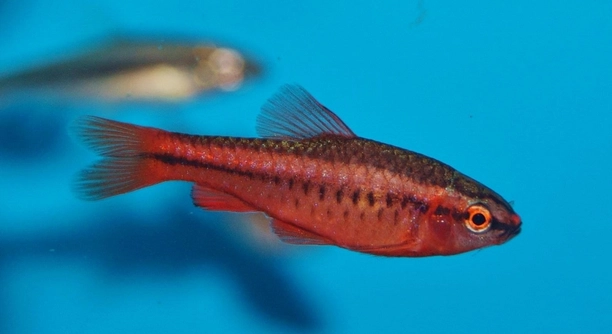
Cherry barbs are popular aquarium fish known for their vibrant colors. However, if you’ve noticed your cherry barb lying at the bottom of the tank, you might be concerned. Understanding why this happens can help you care for your fish.
The most common reasons why a cherry barb lies on the bottom of the tank include stress, poor water quality, or illness. It’s important to check the water parameters and the fish’s behavior for any signs of distress or health issues.
By identifying the underlying cause, you can help your cherry barb recover and thrive. Keep reading to learn how to address the situation and ensure your fish stays healthy.
Causes of Stress in Cherry Barbs
Stress is one of the main reasons your cherry barb might be lying on the bottom. Stress in fish can come from several sources, such as sudden changes in the water temperature, the introduction of new tankmates, or overcrowding. Fish are sensitive to their environment, and anything that disrupts their routine can affect their well-being. A stressed fish often seeks a quiet, secure spot at the bottom of the tank as a way to cope with discomfort. If you notice your cherry barb acting more skittish or hiding frequently, stress might be the issue.
To reduce stress, try to keep the tank’s environment as stable as possible. Regular water changes and maintaining proper filtration are essential. Avoid sudden temperature fluctuations, and be cautious about introducing new fish or moving things around in the tank. Providing plenty of hiding spots and plants can also help your cherry barb feel more secure.
If the stress is caused by new tankmates, ensure they are peaceful and compatible with cherry barbs. Aggressive fish can chase and intimidate them, leading to further stress and illness. Keeping the tank peaceful will help your cherry barb stay happy and healthy.
Poor Water Quality and Its Impact
Water quality is a crucial factor in the health of any fish. Dirty water, with high levels of ammonia, nitrites, or low oxygen, can harm your cherry barb, making it weak or lethargic.
When water quality drops, fish can suffer from poor gill function, making it harder for them to breathe and move. This could lead to them spending more time at the bottom, where the water is calmer. Regularly testing water parameters like pH, ammonia, and nitrate levels will help prevent these issues and keep your cherry barb healthy.
Illness and Disease
When a cherry barb is sick, it may retreat to the bottom of the tank as a sign of discomfort. Common illnesses like fin rot, swim bladder disease, or parasitic infections can make them weak and less active. Look for other signs of illness, such as faded colors, abnormal swimming, or swelling.
If you suspect an illness, separate the sick fish from others to prevent the spread of disease. Ensure the water is clean and stress-free, as good conditions can help in recovery. A medicated treatment may be necessary, depending on the illness. Always consult with a vet or expert if you’re unsure about the right course of action.
Preventative measures include maintaining a clean tank and avoiding overfeeding, as excess food can lead to harmful water conditions. Quarantine new fish before introducing them into the tank, as this can prevent the introduction of diseases. Early detection and action are key to keeping your cherry barb healthy.
Water Temperature and Oxygen Levels
Cherry barbs, like most fish, thrive in a specific temperature range. A drop in water temperature can cause them to become sluggish and retreat to the bottom of the tank.
If the water is too cold or too warm, it can affect the fish’s metabolism and overall health. Ensure the tank maintains a consistent temperature between 74°F and 80°F (23°C to 27°C). A reliable aquarium heater and thermometer will help regulate this. In addition, poor oxygen levels can contribute to lethargy. Make sure your aquarium has good water circulation to keep oxygen levels adequate. Adding a small air pump can also help if necessary.
Temperature fluctuations, combined with low oxygen, can stress the fish and make them more susceptible to disease. Regular water changes and checking the filtration system will also help maintain good water quality and oxygenation, ensuring a better environment for your cherry barb.
Overcrowding in the Tank
Overcrowding can cause stress for your cherry barb, pushing it to hide at the bottom. Too many fish in a small space lead to competition for resources and oxygen. This can make your cherry barb feel unsafe and uncomfortable.
To avoid overcrowding, ensure your tank has enough space for the number of fish you have. A general rule is one inch of fish per gallon of water. This provides each fish with enough space to swim and reduces stress. Regularly check on your fish’s health to ensure the tank isn’t overcrowded, especially if you’re adding new fish.
Tank Mates Compatibility
Not all fish are compatible with cherry barbs. Aggressive or territorial fish can cause stress and force your cherry barb to hide. This can make them less active and more likely to rest at the bottom.
Ensure your cherry barbs share the tank with peaceful species. Avoid putting them with fish that are known to be bullies or overly aggressive. Keeping the tank calm helps your fish thrive. Regularly observe how your fish interact to catch any issues early before they become serious. A harmonious tank will improve your cherry barb’s health.
Lack of Proper Hiding Spots
Cherry barbs feel more secure with places to hide, like plants or decorations. Without these hiding spots, they may become stressed and seek shelter at the tank’s bottom.
Adding plants, rocks, or other aquarium decorations can create safe spaces for your cherry barb. These areas help reduce stress and give your fish a sense of security. Providing hiding spots is an easy way to improve the overall environment and help your fish feel more comfortable and confident.
FAQ
Why is my cherry barb staying at the bottom of the tank?
Your cherry barb may be lying at the bottom of the tank due to stress, poor water quality, illness, or environmental issues. It is important to check the water conditions, such as temperature, oxygen levels, and cleanliness. A sudden change in the environment or the introduction of new fish can also cause stress, leading to the behavior you’re noticing. If the water is clean and the fish are otherwise healthy, check for signs of illness or aggression from other tank mates.
Can my cherry barb recover if it’s sick?
Yes, most cherry barbs can recover from illness if they receive proper care. If your fish shows signs of sickness, such as faded colors or abnormal swimming, it’s important to separate it from other fish to avoid the spread of disease. Make sure to clean the tank and check water parameters to ensure optimal conditions for recovery. Providing medicated treatments, when necessary, can speed up the healing process. Consulting with a vet or aquarium expert can guide you on the best approach for your specific situation.
How can I improve the water quality for my cherry barb?
Improving water quality involves regular water changes, maintaining a proper filtration system, and monitoring key water parameters. Test the water for ammonia, nitrites, nitrates, and pH levels. Ideally, ammonia and nitrites should be at 0 ppm, and nitrates should be below 20 ppm. A filter that is appropriate for the tank size will help remove waste and ensure good water circulation. You should also perform partial water changes of 25-30% weekly to maintain healthy conditions. Consider adding live plants to help naturally filter the water.
What temperature should my cherry barb tank be?
Cherry barbs thrive in temperatures between 74°F and 80°F (23°C to 27°C). Maintaining a stable temperature is important, as fluctuations can cause stress. Use an aquarium heater to regulate the water temperature and avoid sudden drops or spikes, which can make your fish more vulnerable to illness. A thermometer will help ensure that the temperature stays within the ideal range.
How do I know if my cherry barb is stressed?
Stressed cherry barbs often show signs such as hiding, lethargy, and erratic swimming. They may spend more time at the bottom of the tank or isolate themselves from other fish. Other signs include fading colors, clamped fins, or abnormal breathing. Stress can be caused by poor water quality, aggressive tankmates, or overcrowding. Reducing these stress factors and ensuring the tank is peaceful and clean can help improve your fish’s health.
Are cherry barbs sensitive to light?
Yes, cherry barbs can be sensitive to bright lighting. Intense lighting can cause stress, making them hide or stay inactive at the bottom of the tank. To avoid stressing your fish, use moderate lighting that mimics their natural environment. Providing hiding spots and plants can also give them a break from the light when needed. Keeping the lights on for 8-10 hours a day is generally recommended to maintain a healthy routine for your fish.
Can cherry barbs live with other fish?
Cherry barbs are peaceful and can live well with other non-aggressive fish. They do best in a community tank with other calm species. Avoid housing them with large, aggressive fish that might intimidate or harass them. Small schooling fish like tetras or rasboras make great tankmates. It’s important to monitor their interactions to ensure no one is being bullied, as this can lead to stress and health problems.
How often should I feed my cherry barb?
Feed your cherry barb once or twice a day, providing small portions of food that they can consume in a few minutes. Overfeeding can lead to poor water quality and health issues. A balanced diet that includes high-quality flake food, supplemented with live or frozen foods like brine shrimp or daphnia, is ideal for cherry barbs. Make sure to remove any uneaten food after feeding to keep the tank clean.
Can cherry barbs live in a tank without a filter?
While it’s possible for cherry barbs to live in a tank without a filter, it’s not recommended. A filter helps keep the water clean by removing waste and promoting proper circulation, both of which are important for the health of your fish. Without a filter, you would need to perform frequent water changes to maintain good water quality. A filter is a more reliable and efficient way to ensure a healthy environment for your cherry barb.
Why is my cherry barb hiding all the time?
Hiding could be a sign of stress, illness, or a lack of proper hiding spots. If your cherry barb is constantly hiding, check for factors like water quality, temperature, and tankmates. A peaceful tank environment with plenty of plants or decorations can make your fish feel more secure and reduce hiding behavior. If the hiding persists, you may want to examine the fish for signs of disease or check for aggression from other fish.
How can I tell if my cherry barb is healthy?
A healthy cherry barb is active, has bright colors, and swims well. It should have clear eyes, fully extended fins, and show no signs of disease, like swelling, lesions, or unusual marks. Healthy fish typically interact with their tankmates and don’t hide excessively. Regularly monitor your fish and check for signs of illness to ensure they stay in good condition.
Final Thoughts
Cherry barbs are generally hardy and easy to care for, but they can sometimes display unusual behaviors, like lying at the bottom of the tank. When this happens, it’s important to understand the possible causes so that you can address the issue quickly. Common reasons for this behavior include poor water quality, stress, illness, or environmental factors like temperature fluctuations. By checking the water conditions and observing your fish closely, you can often determine what’s causing the problem. Taking care of the water, maintaining a stable temperature, and ensuring your fish have a peaceful environment can go a long way in helping them thrive.
If you notice that your cherry barb is still lying at the bottom despite making improvements, consider consulting a fish care expert or veterinarian. Sometimes, underlying health problems like infections or parasites might not be obvious at first. In such cases, prompt treatment is essential to help your fish recover. Additionally, paying attention to tankmates and ensuring they are compatible with cherry barbs can prevent stress caused by aggression or competition for resources. Keeping a peaceful tank environment with plenty of hiding spots and plants will allow your cherry barb to feel more secure and comfortable.
Ultimately, with the right care and attention, most cherry barbs can recover from any issues and continue to live a healthy, active life in your tank. Regular maintenance, such as water changes, monitoring temperature, and checking on the health of your fish, will help avoid future problems. Cherry barbs are social, peaceful fish, and when they’re properly cared for, they’ll thrive and bring beautiful color to your aquarium. If you keep an eye on their behavior and respond to changes quickly, you can ensure your cherry barb lives a long and healthy life.

Hello,
If you enjoy the content that we create, please consider saying a "Thank You!" by leaving a tip.
Every little bit helps us continue crafting quality advice that supports the health, happiness, and well-being of pets around the world, for pets of all shapes, sizes, and species.
We really appreciate the kindness and support that you show us!