
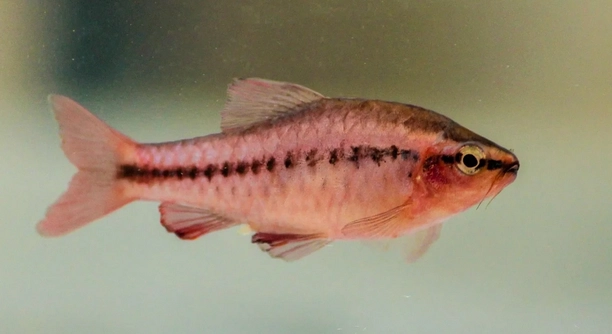
Adding fun decorations and elements to your Cherry Barb tank can create a lively and enriching environment. These small fish thrive in a well-decorated space, offering endless possibilities for creative aquarium setups.
To enhance a Cherry Barb tank, consider adding live plants, colorful rocks, driftwood, and aquarium caves. These elements provide shelter and promote natural behaviors, making the tank a stimulating environment. Additionally, adding schooling fish or shrimp can help create an interesting dynamic.
These additions will ensure a dynamic tank that both you and your Cherry Barbs can enjoy.
Live Plants for Cherry Barb Tanks
Live plants bring a natural touch to a Cherry Barb tank, enhancing both the aesthetic appeal and the well-being of your fish. Plants such as Java Fern, Anubias, and Hornwort offer hiding spots and places for your Cherry Barbs to explore. Live plants also help maintain water quality by absorbing excess nutrients and providing oxygen, which can reduce algae growth. In addition to their benefits, they make the tank look more vibrant and create a peaceful environment for the fish.
While adding plants, make sure to provide enough space for your Cherry Barbs to swim freely. Ensure that the plants are compatible with the water conditions of your tank, as some plants prefer soft, acidic water, while others thrive in harder, alkaline conditions.
Plants like Amazon Sword and Cryptocoryne provide lush, dense foliage that mimics natural habitats. Be mindful of trimming overgrown plants to prevent overcrowding. The combination of greenery and open spaces will allow the Cherry Barbs to feel secure and thrive.
Decorative Rocks and Substrate
Rocks and substrate can create visual interest and provide hiding spaces for your fish.
Gravel or sand works well for Cherry Barb tanks, as it allows for easy maintenance. Larger rocks can serve as shelters or to create a more natural landscape. Be cautious with sharp edges that may injure the fish.
Adding rocks and substrate not only improves the look of the tank but also provides surface area for beneficial bacteria, which help maintain water quality. You can stack rocks to create caves and tunnels, giving your Cherry Barbs additional places to explore. Just be sure the rocks are stable to avoid accidents.
Aquarium Caves
Aquarium caves provide essential hiding spots, allowing Cherry Barbs to feel secure and reduce stress. These caves mimic natural hiding places, which is particularly important for fish that are shy or territorial.
Caves made from ceramic, resin, or stone are durable options. You can place them strategically around the tank to give your Cherry Barbs more room to explore. Make sure the entrances are large enough for them to pass through comfortably. Too many caves may overcrowd the tank, so balance the layout to maintain free swimming space.
It’s important to place caves near plants or rocks, as this creates a more natural environment for the fish. You can choose caves that blend in with the rest of the décor or opt for eye-catching designs to add visual appeal. Caves also help fish feel less exposed, reducing the chance of aggression and promoting healthy social interactions.
Schooling Fish
Cherry Barbs thrive in tanks with other schooling fish. Adding peaceful tank mates, such as Neon Tetras or Corydoras, creates an engaging dynamic.
Schooling fish naturally cluster together, giving your Cherry Barbs more opportunities for interaction. When choosing compatible fish, ensure that they share similar water preferences and temperaments. Schools of small fish can create a harmonious, active environment.
Adding schooling fish helps reduce the stress of isolation for your Cherry Barbs, making them feel safer and more comfortable. The activity and movement of the other fish also encourage your Cherry Barbs to swim more freely. You may notice more playful behavior as the fish interact with one another. The tank will look more lively and balanced with this addition.
Driftwood
Driftwood provides both a natural look and practical benefits in a Cherry Barb tank. It offers hiding spots and adds to the visual appeal.
Driftwood can also help balance the water’s pH, particularly in softer water tanks. However, some types may release tannins, which stain the water brown but are harmless to the fish.
Ensure that the driftwood is properly soaked before adding it to the tank to prevent floating. Over time, driftwood will break down and may require occasional cleaning. The structure of the wood can be placed to create shaded areas and natural-looking landscapes.
Shrimp
Shrimp can be a great addition to a Cherry Barb tank. They help clean up excess food and algae.
Shrimp like Amano or Cherry Shrimp are peaceful and won’t compete with Cherry Barbs for food. They also provide movement, enriching the tank’s environment.
Shrimp can sometimes hide in plants or caves, but they’ll often interact with your fish. Just be mindful not to overpopulate the tank, as they need space to thrive. The presence of shrimp can improve water quality and keep the tank cleaner.
FAQ
What size tank is best for Cherry Barbs?
Cherry Barbs are small fish, but they still need enough space to swim and thrive. A tank size of at least 20 gallons is recommended for a small group. A larger tank will give them more room to explore and reduce stress.
A 20-gallon tank can house about six Cherry Barbs comfortably. However, if you plan to add other fish or plants, opt for a bigger tank to maintain a balanced ecosystem. A larger tank will also make water changes easier and help keep the environment stable.
How many Cherry Barbs should be kept together?
Cherry Barbs are social fish and do best when kept in groups. It’s recommended to have at least five or six Cherry Barbs in a tank.
When kept in a group, the fish exhibit natural schooling behavior, which helps reduce stress and promotes a healthy environment. Smaller groups may lead to shy or aggressive behavior. A larger group also encourages more active swimming and interaction, which adds to the tank’s liveliness.
Can Cherry Barbs live with other fish?
Yes, Cherry Barbs are peaceful and can live with many other types of fish. They are non-aggressive, making them great tank mates for small, peaceful species like Tetras, Corydoras, and smaller Gouramis.
Avoid keeping them with overly aggressive or large fish, as these can stress the Cherry Barbs or outcompete them for food. Fish with similar water temperature and pH requirements are ideal tank mates. Cherry Barbs are peaceful and often swim in the middle of the tank, so they won’t disturb bottom-dwelling or surface-dwelling fish.
What do Cherry Barbs eat?
Cherry Barbs are omnivores, which means they will eat a variety of foods, including flakes, pellets, and live or frozen foods.
A balanced diet should include high-quality fish flakes or pellets that provide essential nutrients. You can also supplement their diet with live or frozen foods, like brine shrimp or daphnia, which will encourage natural hunting and foraging behaviors. Occasionally offering vegetable matter like blanched spinach or peas can add variety to their diet.
How do I know if my Cherry Barbs are healthy?
Healthy Cherry Barbs are active, swim freely, and have bright, colorful markings. They should not appear lethargic or show signs of illness, such as faded colors, clamped fins, or unusual swimming behavior.
A healthy Cherry Barb has smooth, shiny scales and a rounded, firm body. If you notice any abnormal behavior or physical symptoms, such as swelling or sores, check the water quality and consider consulting a veterinarian. Proper care, like a good diet and clean water, is key to maintaining their health.
How often should I feed Cherry Barbs?
Feed Cherry Barbs once or twice a day, offering only as much food as they can consume in a few minutes.
Overfeeding can lead to water quality issues, as uneaten food will decompose and raise nitrate levels. It’s important to provide small portions that they can finish in a short period to avoid this problem. Cherry Barbs can thrive on a varied diet, so mix up their meals to keep things interesting for them.
Do Cherry Barbs need a filter in their tank?
Yes, a filter is important for maintaining water quality in a Cherry Barb tank. A filter helps remove waste, excess food, and debris from the water, ensuring it stays clean and oxygenated.
A gentle filter is best, as Cherry Barbs don’t like strong water currents. Choose a filter that suits the size of your tank and ensures proper water flow without overwhelming the fish. Regular maintenance, such as cleaning the filter and checking water parameters, will keep the tank environment stable.
What water conditions do Cherry Barbs prefer?
Cherry Barbs prefer slightly acidic to neutral water with a temperature range of 72-80°F (22-27°C). The water hardness should be moderate, and the pH should ideally be between 6.0 and 7.5.
These fish are adaptable and can tolerate a range of water conditions, but maintaining stable parameters is essential for their well-being. Regular water changes are necessary to keep the water clean and free from harmful toxins like ammonia and nitrites. Use a water test kit to monitor the tank’s water quality.
Can Cherry Barbs breed in a community tank?
Yes, Cherry Barbs can breed in a community tank, though the eggs and fry may not survive if there are other fish present that might eat them.
To encourage breeding, you can provide a separate breeding tank with gentle filtration and plenty of plants for the eggs to stick to. When the female is ready to spawn, she will lay her eggs, which will hatch in about 24-48 hours. The fry can be fed with infusoria or finely crushed fish food until they are large enough to eat regular fish flakes.
What is the lifespan of a Cherry Barb?
Cherry Barbs typically live for around 3 to 5 years in a well-maintained tank.
The lifespan of Cherry Barbs can vary depending on water quality, diet, and tank conditions. With proper care, including regular water changes, a balanced diet, and good tank mates, they can live a long and healthy life. Always monitor their health and environment to prevent common issues that could shorten their lifespan.
Final Thoughts
Adding Cherry Barbs to your aquarium can be a rewarding experience. These fish are not only visually appealing but also peaceful and easy to care for. With their bright colors and active behavior, they make a great addition to any tank. Providing them with the right environment and care ensures that they thrive. A well-maintained tank with proper water conditions, filtration, and tank mates will help keep your Cherry Barbs healthy and happy.
It’s important to remember that Cherry Barbs are social fish that do best in groups. They need space to swim, so a tank size of at least 20 gallons is ideal for a small group. Adding other peaceful fish, like Tetras or Corydoras, can help create a dynamic, active environment. Be mindful of their water temperature and pH requirements to keep them comfortable. With proper tank setup and regular maintenance, your Cherry Barbs will enjoy their new home for years to come.
Overall, Cherry Barbs are a low-maintenance and rewarding fish to care for. They thrive in community tanks, interact well with other species, and add a touch of color to any setup. By offering them a balanced diet, clean water, and adequate space, you’ll ensure they live a long and healthy life. Their peaceful nature and active behavior make them a great choice for both beginner and experienced fish keepers.

Hello,
If you enjoy the content that we create, please consider saying a "Thank You!" by leaving a tip.
Every little bit helps us continue crafting quality advice that supports the health, happiness, and well-being of pets around the world, for pets of all shapes, sizes, and species.
We really appreciate the kindness and support that you show us!