
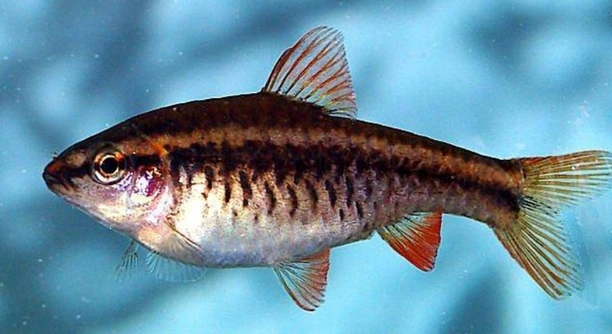
Cherry barbs are small, vibrant fish popular in aquariums. As they age, their physical and behavioral changes become noticeable. Understanding these changes is important for their care, ensuring a healthy life in the aquarium environment.
As cherry barbs age, they experience slower growth, changes in color, and a decline in activity levels. These fish may also become more prone to diseases due to weakened immune systems. Proper care can help prolong their lifespan.
With this knowledge, you can better manage the health of your aging cherry barbs and create a suitable environment for their well-being.
Physical Changes in Aging Cherry Barbs
As cherry barbs grow older, their physical appearance can change significantly. You may notice their bright red coloring fading or becoming duller over time. This natural color change happens as their bodies age and their ability to maintain vibrant hues decreases. Their fins may also show signs of wear, such as becoming ragged or losing their sharp edges. In addition, older cherry barbs may develop a more rounded body shape due to a decrease in muscle mass. These physical changes are normal but should be monitored to ensure they are not indicative of health problems.
While their physical changes may seem concerning, they are generally a sign of aging rather than illness. However, older fish may require more care to ensure they stay healthy. Their diet and environmental factors should be adjusted to suit their changing needs.
Older cherry barbs might also show a reduction in size due to decreased growth rates. This, paired with other physical changes, is a sign that they are reaching the later stages of life. Regularly inspecting their health is essential to make sure they continue to thrive.
Behavioral Changes in Aging Cherry Barbs
As cherry barbs age, their behavior often becomes less active. They may spend more time resting at the bottom of the tank instead of swimming around. This reduced activity is typical in older fish and can be influenced by their declining energy levels and slower metabolism.
Aging cherry barbs may also become less interactive with other fish. Their social behavior may decline, and they might show less interest in schooling or engaging in typical fish behaviors. Understanding these changes can help in providing the right environment for your aging fish.
An important consideration is that older cherry barbs are more likely to experience stress from environmental changes. Factors like water quality, temperature, and tankmates can have a greater impact on their well-being. They may need a quieter, more stable environment to feel secure and comfortable. Proper monitoring of tank conditions can help them adjust to these behavioral shifts.
Health Risks for Older Cherry Barbs
Older cherry barbs are more susceptible to diseases due to a weakened immune system. Common illnesses include fungal infections, parasites, and bacterial diseases. Their ability to fight off infections diminishes with age, making preventive care even more important. Regular water changes and keeping their tank clean can help reduce the risk of infection.
As cherry barbs age, they also become more vulnerable to stress. Stress weakens their immune system further, making them more prone to illness. Environmental factors, such as fluctuating water temperatures or poor water quality, can contribute to stress in older fish. Keeping their tank conditions stable is crucial for maintaining their health.
An aging fish may also develop internal health issues, such as organ failure or digestive problems. These conditions can be hard to detect until they are severe. Careful observation of their eating habits and behavior can help identify early signs of health decline. Prompt action can prevent further complications.
Feeding Aging Cherry Barbs
When cherry barbs get older, their dietary needs shift. Older fish tend to have slower metabolisms, which means they require less food. Overfeeding can lead to digestive issues, and it’s important to monitor portion sizes carefully. A balanced diet that includes high-quality flakes, pellets, and occasional live food is essential for their health.
At this stage, food designed for older fish can be beneficial. Specially formulated food can aid in digestion and improve the overall health of aging cherry barbs. It’s important to choose food that provides the right nutrients without overwhelming their digestive systems.
To make feeding easier for aging cherry barbs, try offering smaller portions more frequently throughout the day. This helps ensure that they receive enough nutrition without overeating. Keep an eye on their weight, as both underfeeding and overfeeding can lead to health problems.
Tank Conditions for Aging Cherry Barbs
Older cherry barbs need stable tank conditions to thrive. Water temperature, pH, and hardness should remain consistent to prevent unnecessary stress. Regular water changes are essential to maintain a healthy environment. Make sure the tank is free from sharp objects that could injure their delicate fins.
Keeping the tank clean and ensuring proper filtration is crucial for aging fish. Water quality can deteriorate more quickly in tanks with older fish, so it’s important to monitor nitrate and ammonia levels closely. Clean water promotes better health and reduces the risk of disease in older cherry barbs.
Tankmates for Older Cherry Barbs
Aging cherry barbs may not be as active as they once were. It’s important to choose tankmates that are calm and non-aggressive. Fish that are too fast or too aggressive can stress out the older barbs, which can lead to health problems. Ensure the environment is peaceful.
Consider adding peaceful species like tetras or other small barbs to their tank. These fish will not compete aggressively for food or space, creating a calm atmosphere that supports the well-being of aging cherry barbs. Proper tankmate selection is key to preventing stress and fostering a peaceful environment.
The Importance of Observation
Regularly observing your aging cherry barbs is essential for early detection of potential health issues. Watch for changes in behavior, eating habits, or appearance. Early signs of illness are often subtle, but spotting them quickly can make a big difference in treatment.
FAQ
How can I tell if my cherry barb is getting old?
As cherry barbs age, you will notice a gradual change in their appearance and behavior. Their colors may become duller, and their bodies might become more rounded. Older fish may swim less frequently and spend more time resting at the bottom of the tank. They may also become less interactive with other fish. Changes in eating habits or a decrease in activity are signs that your cherry barb is aging.
What should I feed my aging cherry barb?
Older cherry barbs have slower metabolisms, so they require less food. You can feed them the same high-quality flakes or pellets but be careful not to overfeed. Smaller portions given more frequently throughout the day can be beneficial. You may also consider offering food formulated for aging fish, which contains the nutrients they need without overloading their digestive system.
How often should I change the water for an aging cherry barb?
Water changes should be performed regularly to maintain a healthy tank environment for aging cherry barbs. Older fish are more sensitive to water quality, so it’s important to keep the water clean. Aim for at least a 25-30% water change every one to two weeks. In tanks with multiple fish, you may need to increase the frequency of water changes.
Can aging cherry barbs live with other fish?
Yes, aging cherry barbs can live with other fish, but it’s important to choose peaceful tankmates. Older cherry barbs are less active and may not be able to compete with faster, more aggressive species. Choose tankmates like small tetras or other peaceful species that won’t cause stress or territorial issues.
What kind of tank environment is best for aging cherry barbs?
A stable and clean tank environment is crucial for aging cherry barbs. Ensure that the water temperature remains consistent, and avoid sudden fluctuations that could stress them. Regular water changes and efficient filtration are important. Provide hiding spaces or plants so the fish can rest comfortably. Keep the water slightly softer and ensure the pH level stays within the ideal range.
Are aging cherry barbs prone to more diseases?
Yes, as cherry barbs age, their immune system weakens, making them more vulnerable to diseases. Common issues include bacterial infections, parasites, and fungal diseases. Maintaining a clean and stable tank environment, providing a proper diet, and reducing stress can help prevent diseases. Regular observation for signs of illness is essential for early detection.
How can I help my aging cherry barb stay healthy?
To keep your aging cherry barb healthy, provide a balanced diet and maintain stable water conditions. Avoid overcrowding the tank and ensure it is free from sharp decorations or objects that could harm the fish. Regularly check for signs of illness or stress, and be proactive about making adjustments to their environment as needed.
Can cherry barbs live longer with proper care?
Yes, with the right care, cherry barbs can live longer, even into their late years. Proper water quality, a nutritious diet, and a stress-free environment are key factors in extending their lifespan. Monitor their health closely and make adjustments to their care routine as needed. Providing optimal conditions can help your cherry barb live a longer, healthier life.
What are the signs that my cherry barb might be sick?
Common signs that a cherry barb may be sick include reduced activity, loss of appetite, changes in coloration, or abnormal swimming patterns. If you notice any unusual behavior, check for symptoms like swelling, lesions, or faded coloring. These can indicate illness, and timely intervention is necessary to prevent the spread of disease.
How can I prevent stress in aging cherry barbs?
Stress can significantly impact the health of aging cherry barbs. To prevent stress, keep the tank environment calm by choosing peaceful tankmates, avoiding overcrowding, and ensuring the water conditions remain stable. Also, minimize disturbances from handling or loud noises around the tank. Creating a quiet, stable environment will help your fish stay calm and healthy.
Final Thoughts
Caring for aging cherry barbs requires attention to their changing needs. As they grow older, these fish become more susceptible to stress and illness, so maintaining a stable and clean tank environment is key. Consistent water changes, proper filtration, and monitoring water quality are essential to keep them healthy. It’s also important to adjust their diet and feeding routine to accommodate their slower metabolism. Smaller, more frequent meals are a good way to ensure they get the right nutrients without overfeeding.
In addition to environmental care, paying close attention to their behavior and health is crucial. Early signs of illness can often go unnoticed, so regular observation can help catch any issues before they become serious. Changes in activity levels, eating habits, or physical appearance can indicate underlying problems. Being proactive with treatment and adjusting tank conditions when needed can make a big difference in their well-being. Even though aging cherry barbs may not be as active or vibrant as they once were, they still require the same level of care and attention to thrive.
Ultimately, caring for aging cherry barbs is about creating a peaceful, stable environment where they can live out their remaining years in comfort. With proper care, their quality of life can remain high, and they can still enjoy a healthy existence. While their activity levels may decrease, their presence in the tank can still be a rewarding experience for those who are dedicated to maintaining their health. Ensuring their tankmates are non-aggressive and their food is appropriate for their age will help them remain stress-free and content. By keeping their needs in mind, you can provide a good quality of life for your aging cherry barbs.

Hello,
If you enjoy the content that we create, please consider saying a "Thank You!" by leaving a tip.
Every little bit helps us continue crafting quality advice that supports the health, happiness, and well-being of pets around the world, for pets of all shapes, sizes, and species.
We really appreciate the kindness and support that you show us!