
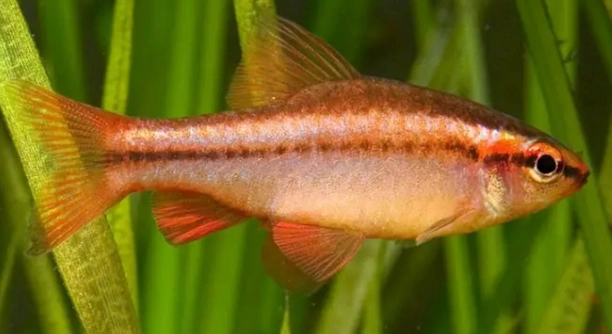
Is your cherry barb tank starting to smell a bit off, even though you’ve been keeping up with your regular cleaning routine?
The most common reasons for a smelly cherry barb tank include decaying food, poor filtration, overcrowding, and waste buildup. Inadequate water changes and unbalanced tank parameters can also contribute to persistent odors in freshwater aquariums.
Recognizing the root causes of tank odor can help you maintain a healthier environment for your cherry barbs.
Uneaten Food Left Behind
Leftover food quickly becomes a problem in fish tanks. When flakes, pellets, or freeze-dried pieces settle at the bottom and go uneaten, they start to break down. This process releases ammonia, which impacts water quality and produces a bad smell. Overfeeding your cherry barbs is one of the most common reasons food gets left behind. Even if they seem eager during feeding time, it’s better to feed less than too much. Uneaten food also encourages bacterial growth and algae blooms. These both contribute to that sour, musty odor that lingers in your tank. Stick to small amounts and observe how quickly your cherry barbs finish each meal. Remove anything they don’t eat within a few minutes. It may feel wasteful at first, but keeping uneaten food out of the tank helps reduce odor, improves water quality, and keeps your fish healthy over time. Clean feeding routines really make a difference.
Overfeeding also adds more waste, which adds to the smell. It’s a quick cycle once it starts.
Keeping a feeding schedule and scooping out extras is an easy fix. You don’t need complicated steps—just consistency and moderation each day. Your tank will smell fresher, and your cherry barbs will stay active and healthy.
Not Enough Filtration
A weak or clogged filter causes more than just cloudy water—it lets odor build up fast. Filters are your tank’s main defense against waste and decaying matter. When the filter is too small, clogged, or not running efficiently, debris remains in the water, and harmful bacteria begin to grow. These bacteria release gases that make your tank smell bad. Regular filter checks are necessary, especially in small tanks where waste builds up faster.
Every tank needs mechanical, biological, and sometimes chemical filtration to stay clean. Mechanical filtration removes particles like food and fish waste. Biological filtration supports beneficial bacteria that break down toxins. Chemical filtration, like activated carbon, helps absorb odor-causing substances. If any part of this system fails, the effects can be noticeable. Clean or replace filter media regularly, depending on the brand and usage. Avoid rinsing filter media in tap water—it kills helpful bacteria. Instead, rinse it in old tank water during water changes. Make sure your filter is properly rated for your tank’s size and bioload. A well-maintained filter system improves water clarity, reduces smell, and supports a stable, odor-free habitat for your cherry barbs. Keeping up with filter care really pays off in the long run.
Dirty Substrate and Decorations
Gravel and decorations collect waste, leftover food, and algae. If they aren’t cleaned regularly, odors will build up. Even small amounts of decay trapped under gravel can make a tank smell worse over time, especially in smaller setups.
Cleaning the substrate is more than just siphoning the top layer. Waste and uneaten food slip down between the gravel where they rot, causing water to smell stale. Use a gravel vacuum during each water change to reach deeper layers. Move decorations and lightly scrub off any buildup. Focus on spots around plants and hardscape pieces where debris collects. Rotting material left untouched creates an unhealthy cycle, encouraging bacteria growth that leads to foul odors and cloudy water. If the substrate hasn’t been cleaned in a while, you might notice a sudden spike in smell. It’s a sign that regular cleaning was missed, and a deeper clean is now needed.
Some tank setups use sand, which compacts more than gravel. While it looks clean on the surface, debris gets trapped underneath. Gently stirring the sand before siphoning helps lift hidden waste into the water column for removal. This reduces the chance of anaerobic pockets forming, which can release a sulfur-like smell if left unchecked.
Overcrowding the Tank
Too many fish in a small tank quickly leads to water issues. Cherry barbs are peaceful, but crowding increases waste and lowers oxygen. This balance change affects water quality, making odors more noticeable even with regular maintenance.
Fish produce waste constantly. In a crowded tank, there’s more ammonia, which beneficial bacteria need to process into less harmful compounds. But when the bioload becomes too high for the filtration system to handle, toxins remain in the water. These lingering compounds create a smell and can stress your cherry barbs. Adding too many fish at once or housing species with different needs can overwhelm the setup. Cherry barbs do best in groups of six or more, but the tank should be large enough to support them. A 20-gallon tank works better than a 10-gallon one for active groups. Check stock levels using online calculators and plan ahead to prevent future issues.
Infrequent Water Changes
Skipping water changes allows waste and toxins to build up. Even if the tank looks clear, ammonia and nitrite levels can still be rising. These invisible changes often cause bad smells before any visual signs appear. Stick to a schedule to avoid these problems.
Weekly water changes remove excess waste and refresh the environment. Changing 25–30% of the water each time helps keep levels stable without shocking the fish. Use a gravel vacuum during these changes to remove debris trapped in the substrate. Consistency is more effective than doing large changes less often.
Dead Plants or Fish
A decaying fish or rotting plant quickly makes the tank smell worse. These things release strong gases as they break down, especially if left unnoticed. Always check behind decorations and in corners where dead material may be hiding.
Unbalanced Tank Parameters
Tank parameters like pH, ammonia, nitrite, and nitrate all affect the overall health of the aquarium. When one of these levels drifts out of range, it disrupts the bacteria that keep the tank stable. Unbalanced parameters lead to poor water quality, which creates unpleasant odors. Regular testing helps prevent these shifts before they become a bigger issue.
Poor Tank Ventilation
Covered tanks without proper airflow trap humidity and smells. Over time, this stale air makes odors more noticeable. Keeping a slight opening or using a ventilated lid helps freshen the space around the tank.
FAQ
Why does my cherry barb tank smell even after regular water changes?
Even with regular water changes, there are other factors that could be contributing to the smell. Uneaten food, waste buildup, and dirty decorations or substrate can all lead to persistent odors. If you’re still noticing a smell, check for any areas where waste could be trapped, such as in the gravel or behind decorations. Additionally, ensure that your filter is running efficiently and that it is the right size for your tank. If your tank is overcrowded or if the water parameters are off, these can also contribute to bad odors.
How often should I clean my cherry barb tank?
A good cleaning routine involves weekly water changes of 25–30% to keep the water fresh. During each water change, clean the substrate with a gravel vacuum to remove trapped debris. Decorations should be lightly scrubbed, and the filter should be checked and cleaned regularly to maintain its efficiency. A deeper clean, such as removing and washing all decorations or thoroughly vacuuming the substrate, should be done every month or as needed.
Can overfeeding cause a tank to smell?
Yes, overfeeding is one of the main reasons a tank starts to smell. When excess food is left uneaten, it sinks to the bottom, where it decays. This decaying matter produces ammonia, which not only smells bad but can also harm your fish. To avoid overfeeding, offer only enough food that your fish can consume in a few minutes. If there’s leftover food after feeding time, remove it from the tank immediately.
What is the best way to reduce the smell of a fish tank?
To reduce tank odors, you need to maintain a clean environment. First, make sure you’re performing regular water changes and vacuuming the substrate to remove waste. Next, check the filtration system. A good filter will help remove excess waste and improve water quality. Additionally, avoid overfeeding and ensure your tank isn’t overcrowded. Keep the tank in a well-ventilated area to help eliminate stagnant air and moisture.
Can dead plants or fish contribute to a tank’s odor?
Yes, decaying plants and fish release gases that cause unpleasant smells in the tank. A dead fish decomposes quickly, producing a strong odor. It’s important to remove any deceased fish immediately to prevent the smell from spreading. Similarly, dead plant matter can rot and cause the water to become foul. Regularly check your tank for any dying plants or fish and remove them promptly.
How can I prevent my tank from smelling after I clean it?
To prevent odors after cleaning, ensure that you’re maintaining a proper balance between filtration, water changes, and feeding. Clean the substrate regularly to remove hidden waste, and make sure your filter is appropriately sized for your tank and running at full capacity. Avoid overcrowding, as more fish lead to more waste and higher chances of odor.
What are the signs that my filter needs cleaning?
A filter that needs cleaning will show signs such as reduced water flow, cloudy water, or noticeable odor. Filters should be checked every few weeks, and their media (sponges, bio-balls, or pads) should be rinsed or replaced as needed. If you notice your tank becoming cloudy or water flow slowing down, it’s time to clean your filter. Be sure to clean the filter media in old tank water to preserve beneficial bacteria.
Is there a way to fix a smelly tank without completely changing the water?
If your tank smells but a full water change isn’t needed, start by removing any uneaten food, debris, or dead material from the tank. Clean the substrate thoroughly with a gravel vacuum to remove trapped waste. Make sure your filter is running efficiently, and if necessary, clean or replace the filter media. Performing smaller, more frequent water changes can help keep the water quality stable and reduce odors.
Why does my tank smell like sulfur?
A sulfur smell in your tank usually indicates that there is decaying organic material or waste trapped in the substrate, especially in tanks with sand or a thick layer of gravel. This occurs when anaerobic bacteria break down waste without oxygen, creating hydrogen sulfide, which smells like rotten eggs. To fix this, vacuum the substrate thoroughly, and consider stirring the sand gently to allow oxygen to reach deeper layers. Regular cleaning and reducing waste buildup will prevent this from happening in the future.
What is the best way to improve my tank’s water quality?
Improving water quality requires regular maintenance, including water changes, cleaning the substrate, and ensuring your filtration system is functioning properly. Test the water regularly for ammonia, nitrites, and nitrates to ensure they’re within safe levels. You can also add live plants to help filter the water naturally. Be sure to avoid overfeeding and overcrowding, as both contribute to poor water quality.
Can the type of tank lid affect the smell?
Yes, the type of tank lid can affect the smell of your aquarium. A poorly ventilated lid traps humidity and stale air, which can cause the tank to smell more. Consider using a lid with ventilation holes or keeping a slight gap for better air circulation. Good airflow helps reduce moisture buildup, preventing the smell of stagnation.
Final Thoughts
Maintaining a clean and healthy tank for your cherry barbs is key to preventing unpleasant odors. Regular water changes, proper filtration, and careful feeding practices all play important roles in keeping your tank smelling fresh. It’s essential to check for any hidden sources of decay, such as uneaten food, dead fish, or decaying plants, as these contribute to bad smells. By sticking to a consistent maintenance schedule, you’ll help ensure that your tank remains in good condition, and the water stays fresh for both you and your fish.
While the occasional odor is a natural part of having an aquarium, persistent smells indicate that something may be wrong with the tank’s environment. It’s important to address issues early, as this helps prevent more serious problems down the road. Overfeeding, overcrowding, and poor water quality are some of the most common causes of a smelly tank. Keeping an eye on water parameters, adjusting feeding habits, and maintaining your filtration system can go a long way in keeping your aquarium fresh and your cherry barbs happy.
The key to a healthy, odor-free tank is balance. Over time, you’ll learn how much food to provide, how often to clean the tank, and how to maintain the proper environment for your fish. Regular monitoring of water quality and the overall condition of your tank is vital to keeping odors at bay. By following the advice shared in this article and paying close attention to the needs of your cherry barbs, you’ll create a thriving aquarium free from unpleasant smells.

Hello,
If you enjoy the content that we create, please consider saying a "Thank You!" by leaving a tip.
Every little bit helps us continue crafting quality advice that supports the health, happiness, and well-being of pets around the world, for pets of all shapes, sizes, and species.
We really appreciate the kindness and support that you show us!