
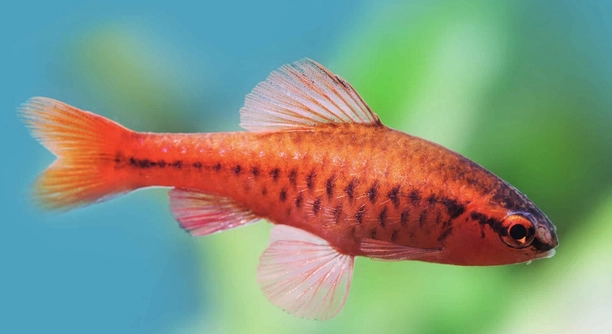
Is your cherry barb brushing against the plants in your aquarium more often than usual? This behavior might seem odd at first but can be linked to several underlying causes that are important to understand.
Cherry barbs rubbing on plants is commonly associated with skin irritation caused by parasites, poor water quality, or stress. These factors can trigger discomfort, prompting the fish to seek relief by brushing against surfaces in the tank.
Learning what triggers this behavior can help you make better decisions for your fish’s well-being and create a more stable aquarium environment.
Common Reasons Your Cherry Barb Is Rubbing on Plants
Cherry barbs may rub on plants when they’re reacting to stress or discomfort in their environment. This behavior often points to skin irritation, typically caused by external parasites like ich or flukes. Poor water conditions can also lead to irritation. High ammonia or nitrite levels, unstable pH, or temperature swings may cause stress and prompt rubbing. In some cases, new plants or decorations with residual chemicals can also irritate the skin. Additionally, aggressive tank mates or overcrowding can lead to physical stress, which sometimes shows up as abnormal behavior. Identifying the cause early can prevent bigger health issues and help your fish recover quickly.
A quick water test and a close look at your fish’s skin and fins may help you narrow down the issue.
If there are visible white spots, clamped fins, or signs of labored breathing, it’s likely a parasitic infection. Isolating the fish and starting treatment right away is important. You’ll want to maintain consistent water parameters and possibly add aquarium salt or medications, depending on the diagnosis. Avoid treating the entire tank unless necessary. Instead, treat affected fish in a quarantine tank when possible. Regular maintenance, gentle tank cleaning, and watching for changes in behavior or appearance can help you stay on top of their health. Addressing the environment and potential stressors is just as important as treating the symptoms directly.
Preventing Future Rubbing Behavior
Regular maintenance is key. Change 25–30% of the water weekly, vacuum debris, and monitor chemical levels to keep water quality stable.
Feed a balanced diet, avoid overstocking, and keep the tank calm with compatible tank mates. Always rinse new plants or decorations before adding them. A healthy tank setup helps prevent future rubbing episodes.
When to Be Concerned About Rubbing
If your cherry barb is rubbing frequently or aggressively, especially alongside other symptoms like spots, redness, or lethargy, it’s time to take action. These signs usually point to something more than just a passing irritation.
Persistent rubbing may indicate parasites such as ich or skin flukes, which can spread quickly if not addressed. Start by checking water parameters to rule out poor conditions. If everything looks fine, examine your fish closely for white spots or inflamed areas. Ich typically shows as small grains on the body or fins, while flukes may cause excess mucus or fraying. Treating early makes a big difference. Use aquarium-safe medications and follow dosage instructions carefully. Ensure the tank is well-oxygenated during treatment, especially when using certain chemicals. If the condition worsens, isolate the fish to prevent spread and ease monitoring. Acting quickly and calmly gives your cherry barb the best chance at recovery.
Sometimes rubbing can also happen without visible signs of illness. Even in those cases, don’t ignore it. It could be caused by minor stress, early-stage irritation, or unseen issues like chemical residue on new decorations. If the rubbing continues for more than a day or two, monitor behavior closely and remove any recently added tank items. Replace some of the water and consider running activated carbon in your filter to clear potential irritants. Maintain a clean and calm tank environment with consistent lighting and temperature. If symptoms eventually appear, be ready to treat. Keeping a log of tank changes can help you connect causes with symptoms if rubbing comes back again later.
Treatment Options That Actually Help
Short-term treatments like aquarium salt baths or using medications like formalin or malachite green can work for parasites. However, always confirm the cause before starting anything. Overmedicating can stress or harm your fish even more.
Set up a separate quarantine tank for any cherry barb showing signs of illness. This not only protects the rest of your fish but also allows for easier monitoring. Gradually increase the tank temperature to speed up parasite life cycles, making treatments more effective. Make sure the quarantine tank has gentle aeration and no sharp decorations. Choose treatments based on visible symptoms—use salt baths for early irritation and medications like copper or praziquantel for confirmed parasites. Follow all dosage instructions exactly and continue treatment for the full recommended time, even if symptoms improve early. After treatment, keep the fish quarantined for a few extra days to ensure they’re stable before reintroducing them.
Choosing the Right Medication
If parasites are confirmed, choose a targeted medication like copper-based treatments for ich or praziquantel for flukes. Always remove carbon from your filter before treatment, as it can absorb medication and reduce its effectiveness during the process.
Follow the dosage instructions exactly. Avoid combining multiple medications unless directed. Too much medication can harm your cherry barb more than help. Use a quarantine tank whenever possible to treat the affected fish without disturbing the main aquarium setup.
How Water Quality Plays a Role
Stable water conditions are essential for your cherry barb’s health. Poor quality stresses fish and weakens their immune systems, making them more vulnerable to infections. Test for ammonia, nitrite, nitrate, pH, and temperature regularly. Even small fluctuations can trigger stress behaviors like rubbing. Keep the tank clean, avoid overfeeding, and perform partial water changes weekly. Use a dechlorinator for tap water, and rinse filter media in tank water during maintenance. Healthy water parameters support recovery from illness and help prevent future problems. Consistency is the key to keeping fish calm and healthy in the long run.
Importance of Observation
Noticing changes in behavior early can prevent illness from spreading. Watch for rubbing, hiding, loss of appetite, or faded color. Subtle changes often appear before major symptoms show up.
FAQ
Why is my cherry barb rubbing but looks healthy otherwise?
Rubbing can happen even if the fish appears fine at first. This may be an early sign of irritation caused by something in the water. It might be slight chemical residue, poor water quality, or early-stage parasites. Keep an eye on the behavior and test your water parameters. Sometimes, the rubbing goes away after a partial water change and small adjustments to the tank. If it continues, look closely for symptoms like excess mucus, flashing, or unusual breathing. Even subtle changes in behavior are worth addressing early to avoid further stress or illness.
How often is rubbing considered normal?
Occasional rubbing that happens once or twice in a day isn’t usually a cause for concern, especially if the fish is otherwise active, eating well, and looks normal. However, repeated or frequent rubbing over multiple days signals that something may be wrong. If it becomes part of their daily behavior, it’s time to act. Start with checking your water parameters and reviewing any recent changes in the tank, like new decorations or changes in food. Continuous rubbing could be a response to stress, hidden parasites, or skin irritation even if you can’t see obvious signs yet.
Can ich go away on its own without treatment?
Ich usually does not go away without treatment. The parasite has a life cycle that includes a free-swimming stage, which is when it’s vulnerable to medications. Left untreated, ich can spread quickly and lead to more severe infections or death. You may see mild cases improve if the fish has a strong immune system and the water is kept extremely clean, but that is not guaranteed. Using appropriate medication, slightly increasing the water temperature, and keeping water quality stable are more reliable ways to clear the infection and keep the rest of your tank safe.
Should I treat the whole tank or just the sick fish?
It’s best to move the affected cherry barb to a quarantine tank when possible. This avoids exposing healthy fish to unnecessary medication. However, if multiple fish show signs or if the infection is already spreading, treating the whole tank might be necessary. Before treating, remove any activated carbon in your filter, as it can absorb the medication. Also, avoid mixing treatments unless specifically directed. Focus on improving water quality alongside medication. After treatment, monitor all the fish for several days to make sure no new symptoms appear and the behavior returns to normal.
How do I know if it’s stress or parasites?
Stress usually comes with hiding, darting, reduced appetite, or faded colors. Parasites, on the other hand, often cause visible changes—white spots, damaged fins, mucus coating, or labored breathing. Rubbing may appear with both, which can make it tricky. Watch for patterns: if your cherry barb is rubbing after a tank cleaning, water change, or new additions, it’s likely stress or chemical irritation. If rubbing comes with other symptoms or worsens steadily, it’s more likely a parasite. Keeping a tank journal of changes and behavior can help you figure out the cause more quickly.
Can overfeeding cause rubbing?
Yes, overfeeding can lead to poor water quality, which then causes irritation. Excess food breaks down and releases ammonia and other waste byproducts into the water. This creates stress and can trigger rubbing as fish react to the imbalance. Feed small portions once or twice a day and remove uneaten food. Keep your tank clean with weekly partial water changes. Avoid feeding during treatment unless necessary, since some medications may alter appetite or water chemistry. A healthy feeding routine supports stronger immunity and helps your cherry barb recover faster from any skin issues or stress.
Is rubbing dangerous for the fish?
Rubbing becomes dangerous when it’s frequent or forceful. It can lead to damaged scales, open wounds, or secondary infections. When cherry barbs rub against rough or sharp surfaces, they risk injury. Even if it starts as mild irritation, repeated rubbing adds more stress to an already irritated fish. It’s important to figure out and address the cause early—whether it’s parasites, water issues, or environmental stress. Treating the fish and improving tank conditions quickly reduces the risk of more serious health problems. Early observation and proper care can make a big difference in long-term health.
Final Thoughts
Cherry barbs rubbing on plants is usually a sign that something in the tank is causing discomfort. It might be poor water quality, early signs of parasites, or even changes in the environment. While occasional rubbing is normal, frequent or intense rubbing should not be ignored. Paying attention to this behavior helps catch problems early before they affect the overall health of your fish. It’s always better to act quickly, even if there are no obvious signs of illness at first.
Keeping a clean, well-balanced tank is one of the most important steps you can take. Regular water changes, consistent testing, and not overfeeding can all help reduce stress and irritation. Watching your fish closely and taking note of any changes in behavior makes it easier to understand what’s going on. Even small adjustments like moving decorations or improving the filter can help create a calmer space for your cherry barb. Good maintenance builds a strong foundation for their health and comfort.
There’s no single reason behind rubbing behavior, which is why it’s important to stay observant and patient. Each tank is different, and what works in one may not work in another. With time, you’ll learn what your fish need and how to respond when something feels off. If you’re ever unsure, taking a water sample to your local fish store or asking for help can save you from guessing. Keeping your cherry barb happy and healthy doesn’t have to be complicated—it just takes consistency and care.

Hello,
If you enjoy the content that we create, please consider saying a "Thank You!" by leaving a tip.
Every little bit helps us continue crafting quality advice that supports the health, happiness, and well-being of pets around the world, for pets of all shapes, sizes, and species.
We really appreciate the kindness and support that you show us!