
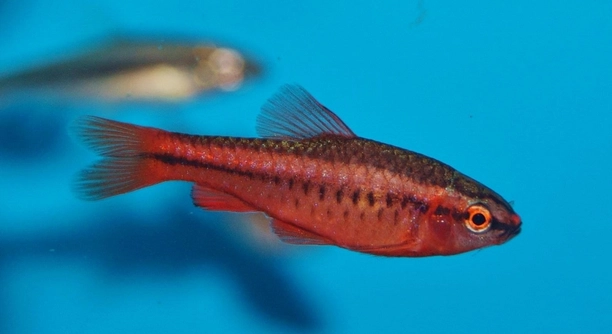
Cherry barbs are a popular and vibrant species in many home aquariums. Like any fish, they can occasionally face health issues, including parasites. It’s important to identify symptoms early to ensure they receive the right treatment and thrive in your tank.
Parasites in cherry barbs can cause a variety of symptoms, including changes in behavior, unusual swimming patterns, loss of appetite, and visible physical signs such as spots or lesions on their body. Early detection is crucial for effective treatment.
Taking action early can help prevent further complications. In the following sections, we’ll explore how to spot potential parasite issues and what you can do to help your cherry barbs recover quickly.
1. Common Parasites Found in Cherry Barbs
Parasites can often make your cherry barbs feel sick and uncomfortable. Common parasites affecting these fish include protozoans, worms, and external parasites like ich. Protozoans such as Ichthyophthirius multifiliis cause white spots on their skin. Worms like Camallanus can damage their intestines, leading to weight loss and bloating. External parasites, like Trichodina, appear as slimy patches on the body. It’s important to monitor your fish closely to detect any changes that could indicate the presence of these parasites.
Parasites can affect both the appearance and behavior of your fish, so regular observation is key. Keep an eye out for any signs of illness or unusual changes.
Proper tank maintenance is also essential in preventing the spread of these parasites. Ensuring the water is clean and free of harmful chemicals or pathogens can go a long way in keeping your cherry barbs healthy and parasite-free. Always test your aquarium’s water for harmful levels of ammonia, nitrites, and nitrates to minimize stress on your fish.
2. Signs of Parasites in Cherry Barbs
Parasites can show up in different ways, from physical changes to altered behavior. One of the first signs is unusual swimming. If your cherry barb starts rubbing against rocks or plants, it could indicate irritation caused by external parasites. You might also notice them becoming lethargic or hiding more often than usual. Loss of appetite is another sign that something might be wrong.
In some cases, cherry barbs may develop visible lesions or white spots on their body, which are signs of external parasites like ich. You may also see them scratching against aquarium decorations as if trying to relieve discomfort. Over time, the fish may begin to lose weight and appear thinner. These symptoms can worsen if left untreated.
Maintaining a close watch over your fish and their environment is essential for spotting these signs early. If you notice changes in their behavior or appearance, it’s best to separate the affected fish and begin treatment promptly to prevent it from spreading to others. Keeping your aquarium clean and stable is key in preventing future outbreaks.
3. Treating Parasites in Cherry Barbs
Treating parasites in cherry barbs involves isolating the affected fish and using medication designed for the specific parasite. You can find treatments at most pet stores. Always read the instructions carefully to ensure proper use.
The first step in treatment is to separate the infected fish from others to prevent the spread of parasites. Once isolated, use a medicated bath or add parasite treatment directly to the tank water. Many treatments are designed to target specific parasites like ich or external parasites. Ensure your water temperature is adjusted according to the instructions, as warmer temperatures can speed up the life cycle of parasites.
While treating the fish, maintain excellent water quality and remove any uneaten food, as it can cause further complications. If you’re unsure which parasite is affecting your fish, consult with a veterinarian or an experienced fish keeper to get the best treatment. Keeping your tank clean during this process will help prevent reinfection.
4. Preventing Future Parasite Outbreaks
The best way to prevent parasites is to maintain a clean and stable environment for your cherry barbs. Regular water changes and monitoring of water parameters are crucial for keeping your fish healthy.
A well-maintained aquarium reduces stress on your fish, making them less susceptible to illness. Keep an eye on water temperature, pH, ammonia, nitrites, and nitrates. Additionally, make sure to quarantine any new fish for at least two weeks before introducing them to your main tank. This helps prevent the introduction of parasites from new arrivals.
When adding plants or decorations to your aquarium, rinse them thoroughly and ensure they are free from any harmful organisms. By following these steps, you create a safer environment for your fish and reduce the chances of parasites infecting your cherry barbs in the future.
5. Using Salt to Treat Parasites
Salt is a simple and effective treatment for many parasites in cherry barbs. Adding aquarium salt can help irritate and dehydrate parasites, making it easier for the fish’s immune system to fight them off.
Dissolve the salt in water and add it slowly to the tank. Be sure to use the correct dosage to avoid stressing the fish. This treatment is particularly effective for external parasites like ich. However, salt should be used cautiously as it can also harm plants and sensitive species.
6. The Role of Temperature in Treatment
Raising the water temperature can speed up the lifecycle of parasites, making them more susceptible to treatment. A slightly warmer environment helps medications work faster. However, make sure the temperature doesn’t exceed 80°F (27°C), as higher temperatures can stress your cherry barbs.
By gradually increasing the temperature, you can accelerate the parasite life cycle, allowing treatments to be more effective. This process is most helpful when combined with medications or salt treatment, ensuring the parasites are eradicated more quickly. Keep a close watch on your fish’s behavior during this process.
7. When to Seek Professional Help
If the symptoms persist or worsen despite your efforts, it may be time to seek help from a professional. A vet with experience in fish health can help identify the parasite and recommend the best treatment.
A professional diagnosis ensures that you’re treating the right issue, preventing unnecessary stress and potentially harmful treatments. They can also help guide you through complex cases, where over-the-counter treatments might not be enough.
FAQ
What are the most common parasites found in cherry barbs?
Cherry barbs can be affected by several common parasites, including ich, external protozoans like Trichodina, and internal parasites like Camallanus worms. Ich is often identified by white spots on the skin, while Trichodina causes slimy patches. Internal parasites such as worms lead to bloating and weight loss.
How can I tell if my cherry barb has a parasite?
You can spot parasites in cherry barbs by watching for unusual swimming behavior, loss of appetite, or visible lesions on their body. Scratching against aquarium surfaces or rocks is another sign of external parasites. If your fish becomes lethargic or starts hiding more often, it may be sick.
Can I use aquarium salt to treat parasites?
Yes, aquarium salt is a useful treatment for external parasites, such as ich. Salt helps irritate and dehydrate the parasites, making it easier for the fish to fight off the infection. Be sure to follow the correct dosage to avoid harming your fish. Salt should be used cautiously, as it may also affect plants in your aquarium.
What’s the best way to treat parasites in cherry barbs?
The best treatment for parasites depends on the type of parasite affecting your fish. Common treatments include medicated baths, anti-parasitic medications, and salt. Always read instructions carefully when using medications and adjust your water temperature to help speed up the treatment process.
How can I prevent future parasite outbreaks in my tank?
Preventing future parasite outbreaks involves keeping your tank clean and stable. Regular water changes and monitoring water parameters like pH, ammonia, and nitrates are essential. Quarantining new fish before introducing them to the main tank is also a smart practice. Always clean plants and decorations thoroughly before adding them to the aquarium.
Can parasites spread to other fish in my tank?
Yes, parasites can spread quickly from one fish to another, especially if they share the same tank. This is why isolating infected fish immediately is crucial. The parasite can attach to other fish, leading to a widespread problem if not addressed early.
What are the risks of not treating parasites in cherry barbs?
If left untreated, parasites can cause serious harm to your cherry barbs. They can weaken the fish’s immune system, leading to further infections. In some cases, untreated parasites may even result in death. It’s important to act quickly to minimize long-term damage and prevent spreading the infection to other fish.
Should I raise the water temperature during treatment?
Raising the water temperature can help speed up the life cycle of the parasites, making them more susceptible to treatment. However, don’t exceed 80°F (27°C), as higher temperatures can stress the fish. Gradually increase the temperature to allow the medications or treatments to work more effectively.
Can I use regular fish food while treating for parasites?
During treatment, you should avoid overfeeding your cherry barbs. Excess food can pollute the tank and cause further stress. It’s best to provide only small amounts of food during treatment, as the fish may not be eating as much due to illness. Monitor their behavior closely.
What’s the difference between external and internal parasites in cherry barbs?
External parasites, like ich or Trichodina, infect the outside of the fish and are typically easier to spot. They can cause visible lesions or changes in skin texture. Internal parasites, such as worms, affect the digestive system and may lead to symptoms like bloating, weight loss, or a swollen abdomen.
How long does it take to treat a parasite infection in cherry barbs?
The duration of treatment varies depending on the type of parasite. Treatments for external parasites like ich usually take around 1-2 weeks, while internal parasites may take longer. It’s important to follow the recommended treatment course and not discontinue early to ensure the parasites are completely eradicated. Regular monitoring during the treatment process is essential for success.
What should I do if my cherry barb isn’t recovering after treatment?
If your cherry barb isn’t recovering after treatment, it might be due to the parasite not being fully eradicated or an underlying health issue. Check water parameters again to ensure they’re stable. You may need to consult a vet or a fish expert for additional guidance or treatments.
Is it safe to treat multiple fish at once for parasites?
Yes, it’s generally safe to treat multiple fish at once, as long as you isolate infected ones from healthy fish. If your whole tank is affected, you can apply treatments to the entire aquarium. However, always follow the product instructions to avoid harming the fish or affecting the water balance.
Can parasites cause long-term damage to cherry barbs?
Parasites can cause long-term damage if not treated properly. They weaken the immune system, making the fish more susceptible to other illnesses. Chronic infections can lead to stunted growth, loss of vitality, or even death if the fish doesn’t recover fully. It’s important to act early and provide proper treatment.
Are there any natural treatments for parasites in cherry barbs?
Some natural treatments include garlic, which can boost a fish’s immune system, or herbal remedies like Indian almond leaves that may help fight off external parasites. However, natural treatments are usually less effective than conventional medications and should be used with caution. Always ensure the treatment is safe for your fish before use.
Final Thoughts
Parasites can be a serious concern for cherry barbs, but with the right knowledge and prompt action, they can be treated effectively. The key is to recognize the signs early, such as changes in swimming behavior, appetite loss, or visible marks on the body. By observing your fish carefully and addressing any unusual behavior, you can prevent the spread of parasites and improve your fish’s chances of recovery. Regular monitoring and good aquarium maintenance are essential for keeping your fish healthy and parasite-free.
Treating parasites in cherry barbs often involves isolating the affected fish and using medications, salt, or adjusting the water temperature. It’s important to follow treatment instructions closely to avoid further stress or harm to your fish. Always maintain a clean tank and make sure to keep the water quality in check. Regular water changes, testing for ammonia, nitrates, and pH levels, and quarantining new fish before introducing them to the tank will help minimize the risk of future parasite outbreaks. Consistent care and attention are the best ways to keep your fish in good health.
Preventing parasites is always better than treating them. By creating a stable and clean environment, you provide your cherry barbs with the best chance of staying healthy. Avoid overcrowding, keep an eye on water conditions, and make sure all new plants and decorations are thoroughly cleaned before entering the aquarium. While treating parasites can be effective, prevention is the key to long-term success. Healthy fish in a well-maintained tank are less likely to become infected, so take care of your aquarium, and your cherry barbs will thrive.

Hello,
If you enjoy the content that we create, please consider saying a "Thank You!" by leaving a tip.
Every little bit helps us continue crafting quality advice that supports the health, happiness, and well-being of pets around the world, for pets of all shapes, sizes, and species.
We really appreciate the kindness and support that you show us!