
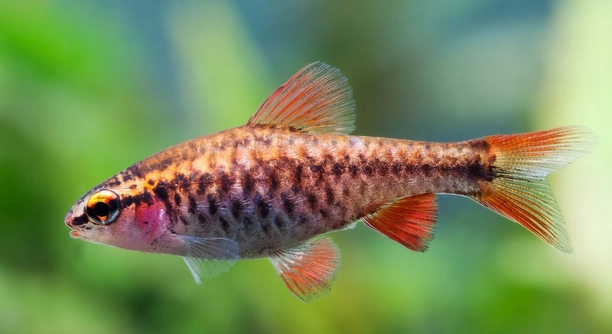
Cherry Barbs and Cory Catfish are both popular freshwater fish in home aquariums. Many aquarium enthusiasts often wonder if these two species can peacefully coexist. Understanding their behaviors and needs can help make an informed decision.
Cherry Barbs and Cory Catfish can generally live together in the same tank. Both species are peaceful and non-aggressive. They also prefer similar water conditions, making them compatible tank mates. However, it is important to provide enough space and hideouts.
With proper care and attention, these fish can thrive together. Knowing the right tank setup and fish behavior will ensure a harmonious environment. Keep reading to find out how to successfully house them together.
Compatibility of Cherry Barbs and Cory Catfish
Cherry Barbs and Cory Catfish are often considered peaceful tank mates, but like any aquarium combination, there are a few factors to keep in mind. Cherry Barbs are active, but not overly aggressive, making them good companions for other calm fish. Cory Catfish, on the other hand, are bottom dwellers who prefer a quiet environment. Their temperament works well with fish like Cherry Barbs that stay in the middle and upper parts of the tank. These species typically get along because neither is territorial, so they are less likely to fight over space.
It’s important to provide enough room in the tank to allow both species to establish their territories. Cherry Barbs will swim throughout the tank, while Cory Catfish will prefer the substrate. Their peaceful nature helps avoid conflicts, but tank size matters.
The ideal tank size for both species is at least 20 gallons. This gives enough space for the Barbs to swim freely and the Catfish to explore the bottom. Additionally, adding hiding spots can help reduce any possible stress. The environment should mimic their natural habitat with soft substrate for the Cory Catfish to sift through. With the right setup, both species can coexist without issue.
Water Parameters
Maintaining proper water conditions is essential for both Cherry Barbs and Cory Catfish. They thrive in slightly acidic to neutral water with temperatures ranging from 72°F to 78°F. Regular water changes help ensure they stay healthy.
Both species benefit from stable water conditions. Cherry Barbs and Cory Catfish are relatively low-maintenance fish, but fluctuations in water quality can cause stress, leading to health problems. Keeping the tank clean and consistent will ensure that both species stay active and happy.
Tank Setup for Cherry Barbs and Cory Catfish
A well-planted tank with plenty of hiding spots is ideal for both Cherry Barbs and Cory Catfish. They need space to swim, as well as areas to retreat to when they need some privacy. Substrate should be soft to protect the Catfish’s sensitive barbels.
Use smooth gravel or fine sand for the substrate. This helps the Cory Catfish avoid injury while they sift through the bottom for food. Adding plants like java moss or anubias provides hiding places, which can reduce stress. Cherry Barbs will appreciate the cover but still need open space to swim freely.
A gentle filtration system is also recommended. It should keep the water clean but not create strong currents, as both species prefer calm waters. A tank lid can help prevent jumping, as Cherry Barbs can sometimes leap. The right setup will keep both species comfortable and reduce the chance of territorial disputes.
Feeding Cherry Barbs and Cory Catfish Together
Both species are not particularly picky eaters but require different types of food. Cherry Barbs are omnivores, so they eat a variety of foods, including flakes, frozen foods, and live food. Cory Catfish, being scavengers, prefer sinking pellets, small crustaceans, and detritus.
To ensure both species are properly fed, provide a mix of food types that suit their individual needs. Sprinkle flake food at the surface for the Cherry Barbs and sink pellets for the Cory Catfish. Adding live food like brine shrimp or bloodworms occasionally can help keep their diets varied.
Feed them small amounts several times a day, rather than one large meal. This encourages natural foraging behavior, especially for the Cory Catfish, who enjoy scavenging. It’s also important not to overfeed, as leftover food can pollute the tank and lead to health issues.
Common Health Concerns for Both Species
Cherry Barbs and Cory Catfish are generally hardy, but they can still face health problems. Poor water quality, overfeeding, and stress can lead to various illnesses. Regular water changes and maintaining good tank hygiene can reduce risks.
Cherry Barbs are prone to diseases like ich and fin rot, while Cory Catfish may develop infections due to poor water conditions. Both species need attention to prevent these issues.
Behavior and Activity Levels
Both species are peaceful but have different activity levels. Cherry Barbs are active swimmers and enjoy exploring the mid to top levels of the tank. Cory Catfish are bottom dwellers and will be more relaxed, often moving slower and scavenging for food.
Their differences in activity levels don’t pose a problem as long as there’s enough space in the tank. Cherry Barbs and Cory Catfish are not territorial, so they won’t compete for space. Ensuring a well-organized tank with both open areas and secluded spots will allow them to thrive without interference.
FAQ
Can Cherry Barbs and Cory Catfish live in a 10-gallon tank together?
While a 10-gallon tank may work for small, peaceful fish, it’s not ideal for Cherry Barbs and Cory Catfish. Both species require enough space to swim freely and establish territories. A 20-gallon tank is the minimum recommended size for these two species to thrive together, allowing them enough space to avoid stress and aggression.
What should I feed Cherry Barbs and Cory Catfish?
Cherry Barbs and Cory Catfish have different dietary needs. Cherry Barbs will accept a variety of foods, including flake food, live food, and frozen foods. Cory Catfish, however, prefer sinking pellets, small crustaceans, and detritus. It’s important to provide both species with a balanced diet, offering different types of food to cater to their preferences.
How often should I feed Cherry Barbs and Cory Catfish?
It’s best to feed small amounts of food two to three times a day. Overfeeding can pollute the tank and lead to health problems for both species. Cherry Barbs can easily overeat, and while Cory Catfish are bottom feeders, they might not get enough food if not provided properly. Feed them what they can consume in a few minutes to avoid leftovers.
Are Cherry Barbs and Cory Catfish easy to care for?
Yes, both species are relatively easy to care for, as long as their basic needs are met. They are hardy fish that do well in stable water conditions. Cherry Barbs are a bit more active and might require a bit more swimming space, while Cory Catfish need soft substrate to protect their barbels. As long as the tank is clean, and the water parameters are stable, they should thrive.
Do Cherry Barbs and Cory Catfish require special water conditions?
Both species prefer slightly acidic to neutral water with a temperature range of 72°F to 78°F. Cherry Barbs can tolerate slightly warmer water, while Cory Catfish prefer cooler temperatures, so it’s essential to maintain a stable temperature and pH level in the tank. Regular water changes will help keep them healthy by maintaining good water quality.
Can I add other fish to a tank with Cherry Barbs and Cory Catfish?
Yes, you can add other peaceful fish that enjoy similar water conditions. Good tank mates include other non-aggressive species like tetras, rasboras, or small gouramis. Avoid adding aggressive or territorial fish, as they may cause stress and conflict with your Cherry Barbs and Cory Catfish. Make sure the tank is large enough to accommodate everyone comfortably.
How can I tell if my Cherry Barbs or Cory Catfish are stressed?
Stress in both Cherry Barbs and Cory Catfish can show through changes in behavior. Cherry Barbs may become more reclusive or aggressive, swimming erratically. Cory Catfish might stop scavenging or hide constantly. Stress can also lead to faded colors or loss of appetite. Keep an eye out for these signs and adjust tank conditions if necessary.
Do Cherry Barbs and Cory Catfish need a filter?
Yes, both species benefit from a filter to keep the water clean. A gentle filter helps maintain water quality by removing excess waste and debris without creating strong currents, which can stress out the fish. However, make sure the filter is not too powerful for the tank, as both species prefer calm waters.
How do I prevent disease in my Cherry Barbs and Cory Catfish?
To keep your Cherry Barbs and Cory Catfish healthy, maintaining proper water quality is key. Regular water changes, keeping the tank clean, and feeding a balanced diet will help prevent common diseases. Quarantining new fish before introducing them to your tank will also reduce the risk of introducing harmful pathogens.
Can Cherry Barbs and Cory Catfish live with other bottom dwellers?
Cory Catfish are bottom dwellers, but they are peaceful and won’t typically compete for space. However, it’s not ideal to add other bottom-dwelling fish, as it may cause overcrowding and stress. If you do want to add more bottom dwellers, ensure there’s enough space for everyone to have their own territory.
Final Thoughts
Cherry Barbs and Cory Catfish are peaceful species that can coexist in the same aquarium with the right setup. They both have similar water preferences and calm temperaments, which make them compatible tank mates. However, it’s important to remember that while they are generally peaceful, these species still need adequate space to swim and establish their territories. A well-planted tank with enough hiding spots will help reduce stress and encourage natural behavior. A 20-gallon tank is ideal for these species to thrive together without crowding or territorial issues.
Maintaining stable water conditions is essential for the health of both Cherry Barbs and Cory Catfish. They thrive in slightly acidic to neutral water with temperatures between 72°F and 78°F. Keeping the water clean through regular water changes is just as important as providing the right food. Cherry Barbs are omnivores and can eat a variety of foods, while Cory Catfish are bottom feeders and prefer sinking pellets. Offering a balanced diet for both species ensures they remain healthy and active. Be sure to avoid overfeeding, as excess food can pollute the tank and lead to health problems.
In the end, Cherry Barbs and Cory Catfish make great companions in a peaceful aquarium. With the proper care, attention, and tank setup, these two species can live harmoniously together for years. They are both hardy fish that do well in community tanks, as long as their needs are met. If you provide them with a clean, spacious, and well-maintained tank, these fish can add color and life to your aquarium. Their easygoing nature makes them a good choice for both beginners and experienced fishkeepers alike.

Hello,
If you enjoy the content that we create, please consider saying a "Thank You!" by leaving a tip.
Every little bit helps us continue crafting quality advice that supports the health, happiness, and well-being of pets around the world, for pets of all shapes, sizes, and species.
We really appreciate the kindness and support that you show us!