
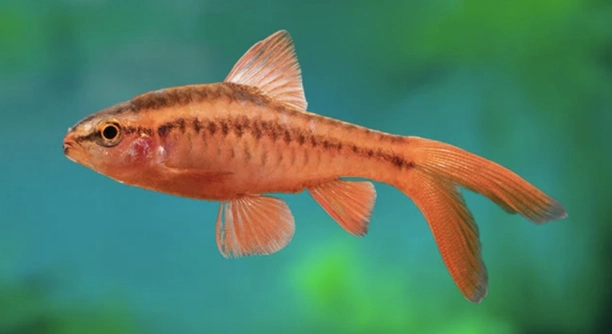
Have you ever set up a beautiful tank for your cherry barbs only to wonder if the water conditions are just right for them?
The ideal pH level for cherry barb tanks ranges from 6.0 to 7.5. This slightly acidic to neutral range helps support their overall health, reduces stress, and encourages natural behaviors like schooling and breeding in a stable aquatic environment.
Maintaining the correct pH is just one part of keeping your cherry barbs healthy and active, but it makes a big difference in their daily comfort and well-being.
Why pH Matters for Cherry Barbs
Cherry barbs are freshwater fish that come from slow-moving streams and rivers in Sri Lanka. These natural waters are soft and slightly acidic, which is why pH matters so much in home aquariums. A stable pH in the 6.0 to 7.5 range helps support their immune system and keeps them comfortable. If the pH drops too low or spikes too high, it can stress the fish and lead to health issues. Stress in fish often results in faded colors, slower movement, and less interest in food. Some may even hide more often or become aggressive. Keeping the water within the right range also supports good bacteria, which helps manage waste and keep the tank clean. Monitoring the pH regularly and making small adjustments when needed helps avoid sudden changes that can be harmful. Consistency is key when trying to keep cherry barbs healthy and active in their tank.
pH that’s too far off can also make other water factors unstable, which creates more work for you and stress for your fish.
Even though pH is just one part of tank care, it plays a big role in keeping your cherry barbs feeling safe and active. When it’s off, they notice—so it’s worth paying attention to.
Signs Your Cherry Barbs Are Affected by pH
Cherry barbs will show signs when their environment isn’t right. Watch for unusual behavior, like hiding too often or swimming near the surface. Loss of color, skipping meals, or darting suddenly can all point to pH imbalance.
Changes in pH don’t always cause immediate effects, but over time, they impact the health and mood of your fish. When the pH is too low, cherry barbs might become lethargic and stop schooling. If it’s too high, their gills may become irritated, and they can develop difficulty breathing. Consistent stress can weaken their immune system, making them more vulnerable to diseases. Water quality may also decline if helpful bacteria are affected by poor pH levels. This can lead to spikes in ammonia or nitrites, which add even more stress. Testing your water regularly and logging pH readings helps you catch these changes early. It’s easier to maintain a stable tank than to fix a problem after it starts.
How to Test and Adjust pH Levels
Testing your tank’s pH is simple and only takes a minute or two. Use a liquid test kit or pH strips, and follow the instructions carefully. Test the water regularly, especially after water changes or adding new items to the tank.
If the pH is too high, driftwood and peat moss can help lower it slowly. These natural items release tannins, which soften water and lower pH. For high pH tap water, try mixing in some reverse osmosis (RO) water to bring the levels down. If the pH is too low, crushed coral or limestone rocks can help raise it gently over time. It’s important to make changes gradually—sudden shifts in pH are stressful to cherry barbs. Always test the water again after any adjustment to see how it responds. Stick with small steps and give the fish time to adjust.
Tap water can vary by location and season, so always test it before adding it to the tank. Water conditioners don’t change pH, so if you need to make changes, choose methods designed for that purpose. Avoid using chemicals unless absolutely necessary, since they often cause big, fast shifts that can harm your fish. Natural methods work slower, but they’re safer and easier to control.
How to Keep pH Stable Over Time
Stability is more important than aiming for the perfect number. Cherry barbs can tolerate a range of pH levels, but they do best when the water doesn’t change too often. Small, frequent water changes help maintain balance without shocking the system.
Avoid overfeeding and clean waste regularly, as excess debris can cause the pH to drop over time. Use a good filter that supports beneficial bacteria, which also helps keep pH steady. Try not to add too many new items to the tank at once—gravel, rocks, and decorations can change pH depending on their material. Always rinse new items and test them in a separate container if you’re unsure. Test the water weekly and keep a simple log so you can track trends. This helps catch slow changes before they become problems. Cherry barbs are hardy, but like most fish, they do better when the environment stays consistent.
Common Mistakes That Affect pH
Using untreated tap water can cause pH to swing unexpectedly, especially if your local supply contains additives. Always test and treat your water before adding it to the tank to avoid sudden changes.
Adding too many new fish or plants at once can also shift the pH. The extra waste and changes in biological activity may throw off the balance if not monitored.
Best Tank Setup for pH Stability
A planted tank with stable substrate, driftwood, and gentle filtration helps keep pH in a comfortable range for cherry barbs. Live plants absorb waste and carbon dioxide, which can help buffer the pH naturally. A sponge filter or a filter with biological media supports good bacteria growth, which keeps water parameters more stable. Choose a substrate that doesn’t affect pH, like sand or neutral gravel. Avoid crushed coral unless you’re trying to raise the pH. Place your tank away from windows or heating vents, as temperature swings can lead to water chemistry shifts. Keep up with maintenance, and avoid overstocking to reduce stress and waste buildup.
When to Seek Extra Help
If pH changes keep happening despite regular care, there may be something affecting the water outside your control. Testing your tap water and checking for unusual readings can help guide your next steps.
FAQ
What happens if the pH is too high or too low for cherry barbs?
If the pH is too high, cherry barbs may show signs of stress, such as gasping at the surface, faded colors, or irregular swimming patterns. They can also become more susceptible to diseases. If the pH is too low, they may become lethargic and lose their appetite. Long-term exposure to poor pH levels can weaken their immune system and shorten their lifespan. It’s important to keep the pH within the recommended range of 6.0 to 7.5 to avoid these issues.
How can I adjust the pH without harming my fish?
To adjust pH gradually, use natural methods like driftwood or peat moss to lower pH, or crushed coral or limestone to raise it. These methods are slow, so the changes are less stressful for your cherry barbs. Avoid using chemicals or drastic adjustments, as they can cause sudden shifts in pH, which are harmful to fish. Always test the water after adjustments and make sure to change water slowly over time to maintain stability.
How often should I test the pH of my tank?
Test the pH at least once a week, especially after water changes, adding new fish or plants, or after any significant changes in the tank. If you’re adjusting pH or if your local water supply fluctuates, you may need to test more frequently. Keeping a log of your readings helps you spot any trends and make timely adjustments.
Can I use tap water for cherry barb tanks?
Tap water can work for cherry barbs, but it’s important to test it first. Tap water often contains chlorine, chloramine, and minerals that can affect the pH. If your tap water has a pH level outside the recommended range, you can treat it with dechlorinators or mix it with RO (reverse osmosis) water to bring the pH within the desired range. Always check the water’s pH before adding it to the tank to avoid sudden changes.
What is the best way to keep the pH stable over time?
To maintain pH stability, keep your tank setup as consistent as possible. Perform regular water changes, but avoid changing too much water at once, as this can cause pH fluctuations. Use a good filtration system that supports biological filtration, which helps maintain stable water chemistry. Make sure to monitor the tank for any sudden changes in water conditions and keep your fish load appropriate to avoid excess waste buildup.
Should I use a pH buffer for my cherry barbs?
Using a pH buffer isn’t always necessary. Natural methods like driftwood, plants, and stable filtration can maintain pH without the need for a buffer. If you do choose to use a pH buffer, make sure to select one designed for freshwater fish and follow the manufacturer’s instructions carefully. Avoid relying on chemical buffers alone, as they can cause rapid shifts in pH that stress your fish.
Can cherry barbs tolerate a pH outside of their ideal range?
Cherry barbs are adaptable, but they do best within the pH range of 6.0 to 7.5. Short-term exposure to slightly higher or lower pH may not cause immediate harm, but it can lead to stress and long-term health problems. Consistency is key for cherry barbs, so it’s best to keep the pH as stable as possible within their ideal range.
Is it necessary to add special supplements to the water for cherry barbs?
For most setups, no special supplements are needed for cherry barbs. As long as the water’s pH, hardness, and temperature are within the right range, cherry barbs will thrive. However, if you’re working with very hard or very soft water, you might consider using supplements to adjust hardness or to help stabilize the pH. Always test the water first to understand what adjustments are necessary.
Can plants help maintain pH stability?
Yes, live plants can help stabilize pH by absorbing carbon dioxide and nitrogenous waste from fish, which helps buffer the water. Plants like java moss, anubias, and water wisteria are great choices for cherry barbs. They also help with overall water quality and provide hiding spaces for the fish. However, make sure not to overcrowd the tank with plants, as too many can lead to a decline in oxygen levels, which could harm your cherry barbs.
What is the best water temperature for cherry barbs?
Cherry barbs do well in water temperatures between 72°F and 80°F (22°C to 27°C). Keeping the water temperature stable is just as important as pH. Fluctuations in temperature can cause stress and make it harder for cherry barbs to adapt to changes in their environment. Make sure the heater is set correctly and avoid placing the tank in areas with temperature extremes, such as near windows or vents.
How can I tell if my cherry barbs are stressed due to pH or other factors?
Signs of stress in cherry barbs due to pH imbalances include hiding more than usual, faded or dull coloration, loss of appetite, and erratic swimming. They might also become more aggressive toward tank mates or exhibit labored breathing. Stress can also cause cherry barbs to stop schooling, as they usually prefer to stay with others. If you notice any of these behaviors, check the pH, temperature, and other water parameters immediately to make sure the tank conditions are stable.
Can I use a filter to help with pH maintenance?
A filter plays a key role in maintaining stable water conditions by removing waste and promoting healthy bacteria that help break down organic matter. It won’t directly affect pH, but it helps keep your water clean and free of ammonia, which can lead to pH drops. Choose a filter that is appropriate for the size of your tank, and make sure it has biological filtration media to support healthy water chemistry.
What should I do if my cherry barbs are not thriving despite stable pH?
If your cherry barbs are still not thriving despite a stable pH, check other factors like water hardness, ammonia, nitrite, and nitrate levels. Sometimes, high ammonia or nitrate levels can cause stress even if pH is stable. Regular water changes, reducing feeding, and improving filtration can help. Additionally, make sure your fish aren’t overcrowded, as this can lead to poor water quality and stress.
Final Thoughts
Maintaining the right pH level for your cherry barb tank is essential for their health and well-being. These fish are quite adaptable, but they do best when the water stays within a slightly acidic to neutral range, between 6.0 and 7.5. Keeping the pH stable allows your fish to thrive, swim freely, and exhibit their natural behaviors. When the pH fluctuates too much or moves too far from this range, it can stress your cherry barbs, leading to poor health and even disease. Regularly testing the water and making gradual adjustments when necessary is key to ensuring their comfort.
A stable environment is not just about pH, though. Temperature, water hardness, and proper filtration all play an important role in creating the right conditions for cherry barbs. If you provide them with a clean, consistent, and comfortable habitat, they will reward you with vibrant colors and active behaviors. Adding plants and using natural methods to adjust pH can help mimic the slow-moving, slightly acidic waters they’re used to in the wild. Avoid using harsh chemicals or making rapid changes, as sudden shifts can cause more harm than good.
In the end, cherry barbs are fairly low-maintenance once their tank conditions are properly set up. By understanding their needs and regularly checking on the water quality, you can prevent pH imbalances from causing problems. Always remember that consistency is more important than perfection. Small, consistent changes and a little extra attention can go a long way in ensuring your cherry barbs live a healthy and happy life in your aquarium. Keep an eye on all aspects of their environment, and you’ll have a thriving tank for years to come.

Hello,
If you enjoy the content that we create, please consider saying a "Thank You!" by leaving a tip.
Every little bit helps us continue crafting quality advice that supports the health, happiness, and well-being of pets around the world, for pets of all shapes, sizes, and species.
We really appreciate the kindness and support that you show us!