
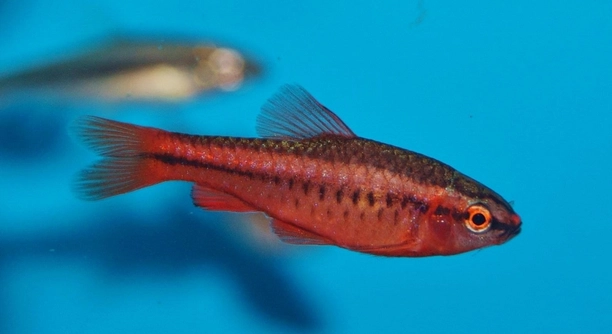
Are your cherry barbs hiding all the time, barely showing interest in their surroundings, even when you try to make their tank fun?
The best way to encourage natural behavior in cherry barbs is by mimicking their native environment through proper tank setup, water conditions, and social structure. These changes support healthy activity levels and reduce signs of stress.
Creating a space that meets their natural needs helps them thrive. Let’s explore some simple, effective ways to bring out the best in your cherry barbs.
Add Plants and Hiding Spots
Cherry barbs feel safer when they have places to hide. Live plants, driftwood, and small caves can help create a more natural and secure environment. In the wild, they hide among vegetation to escape predators or rest. Adding dense plants like Java fern or Anubias offers them the privacy they instinctively look for. These setups also break up lines of sight, which helps reduce aggression between fish. Avoid using bright lights and shiny decor, as it can stress them out. Stick to soft lighting and natural-looking decor that mimics their native streams. A well-decorated tank also encourages more natural behaviors such as exploring and foraging. When cherry barbs feel safe, they display brighter colors and become more active. Even shy fish will start to swim around more often if the tank setup is done right. Creating these safe spaces helps reduce stress and boosts their overall health and behavior.
It’s easy to overlook the importance of hiding spots, but they make a big difference. Fish need to feel secure to show natural behavior.
Choose plants that don’t require strong lighting or special care. Hardy, low-maintenance species work best. Avoid overcrowding the tank, and arrange decor in a way that allows for free swimming while still offering shelter.
Keep Them in a Group
Cherry barbs are shoaling fish, which means they feel more at ease in a group. A small group of five or more encourages social interaction and makes them feel safe.
In smaller groups, cherry barbs may become shy or even aggressive. But when kept in the right numbers, they tend to be more confident and peaceful. You’ll notice more activity, brighter colors, and a better balance in behavior. Males may display gentle chasing or flaring, which is normal and part of their social interactions. Make sure the ratio of males to females is balanced—ideally, two females for every male—to reduce stress. If you keep too many males, they might compete too much, which leads to aggression. Watching them school together is also one of the most rewarding parts of keeping cherry barbs. Their behavior looks more natural, and they stay healthier when their social needs are met. Just make sure the tank is large enough for a group.
Maintain Stable Water Conditions
Cherry barbs are sensitive to sudden changes in water parameters. Keep the water temperature between 74–79°F, with a pH of 6.0–7.5. Use a reliable heater and test kits to monitor ammonia, nitrite, and nitrate levels regularly.
Unstable conditions can lead to stress and make your cherry barbs hide or behave oddly. If the water quality drops, they may stop eating or become sluggish. Performing small, regular water changes—about 20% weekly—helps maintain balance without causing sudden shifts. Always dechlorinate tap water before adding it to the tank. Avoid overfeeding, as uneaten food can cause spikes in ammonia and lead to poor water quality. Stable, clean water gives them the comfort to act naturally. You’ll see them swimming actively and interacting with each other more when everything stays steady. Even something as simple as a consistent light schedule can help them stay calm and maintain a normal routine.
Keeping the filter clean also matters. Rinse the media in old tank water, not tap, to preserve helpful bacteria. A sponge filter or a quiet hang-on-back filter is usually enough for a tank under 30 gallons. Avoid harsh water flow. Cherry barbs prefer gentle currents, similar to their native slow-moving streams in Sri Lanka. Aim for steady, calm circulation.
Provide a Varied Diet
Feeding your cherry barbs a variety of food helps support both their health and behavior. They enjoy eating and will display more activity and color when well-fed with diverse options.
In addition to high-quality flakes or micro pellets, offer them frozen or live foods like brine shrimp, daphnia, or bloodworms a few times a week. These protein-rich foods spark natural foraging behavior and can even trigger light breeding displays. You’ll notice more chasing, exploring, and flashing of color. Rotate what you feed them throughout the week to prevent boredom and meet nutritional needs. Include some vegetable-based foods too—blanched zucchini or spirulina flakes work well. Cherry barbs that eat a balanced diet tend to have stronger immune systems and stay more vibrant. Don’t overfeed, though. Give just enough for them to finish in a couple of minutes, twice a day at most.
When feeding, try to watch how each fish responds. Some may eat faster than others, so make sure all members of the group get food. Scatter the food slightly or feed in more than one spot to reduce competition. Feeding time can also be a way to bond with your fish and check for signs of illness or stress.
Limit Noise and Movement Around the Tank
Loud sounds and quick movements near the tank can make cherry barbs feel threatened. They may dart to hiding spots or stop swimming around altogether. Try to place the tank in a calm area away from busy foot traffic.
Children running by or frequent door slams can startle them. Even tapping on the glass stresses them out. A peaceful setup helps them feel secure enough to act naturally. Lowering outside noise and movement gives them a better chance to show normal behaviors without fear.
Add Leaf Litter or Indian Almond Leaves
Adding leaf litter mimics the soft, tannin-rich waters cherry barbs come from. Indian almond leaves slowly release natural compounds that improve water quality and lower stress. These leaves also create shaded spots, helping your fish feel safer. As the leaves break down, they encourage microfauna growth, which barbs may nibble on, promoting their foraging instinct. The darker water tone can also help reduce light reflection and make their environment more comfortable. Replace the leaves every few weeks, and avoid using too many at once. Start with one per 10 gallons to see how your tank responds.
Avoid Overcrowding
Too many fish in a tank can lead to stress and aggressive behavior. Cherry barbs need enough space to swim freely and maintain a peaceful group dynamic. Always match the number of fish to the tank size and filtration capacity.
FAQ
How many cherry barbs should I keep together?
Cherry barbs should be kept in groups of at least five, though six or more is better. They are shoaling fish, which means they feel more secure and act more naturally in groups. When kept alone or in very small numbers, they may become timid, hide often, or even show aggression. A balanced mix of males and females helps reduce stress. Aim for two females for every male to keep the group peaceful. A well-sized group encourages playful swimming, social interactions, and better color display.
Can cherry barbs live with other fish?
Yes, cherry barbs are peaceful and do well with other calm, community fish. Good tank mates include neon tetras, corydoras, rasboras, and guppies. Avoid pairing them with aggressive or fin-nipping species like tiger barbs or larger cichlids. When choosing tank mates, make sure they share similar water needs and temperaments. Cherry barbs are mid-level swimmers, so combining them with bottom dwellers and surface swimmers helps spread activity throughout the tank. Give each species enough space, and avoid overcrowding to keep everyone stress-free.
What size tank do cherry barbs need?
A group of five to six cherry barbs needs at least a 20-gallon tank. This gives them enough room to swim and form a natural social structure. If you plan to keep more fish or include other species, go for a larger tank. More space means better water quality and less aggression. Cherry barbs enjoy horizontal swimming space, so tanks that are longer rather than taller are ideal. Avoid putting them in small tanks, as it can cause stress, dull colors, and reduce activity. A spacious, well-planted tank makes them feel secure and healthy.
Do cherry barbs need a heater?
Yes, cherry barbs need a heater to keep their water temperature stable. They thrive best between 74–79°F. Fluctuating temperatures can cause stress and make them more likely to get sick. Use a reliable aquarium heater and thermometer to maintain a consistent temperature. If your room gets cold at night or during winter, a heater is especially important. Sudden drops in temperature can impact their immune system and behavior. Always monitor the temperature, especially after water changes or equipment adjustments.
How can I tell if my cherry barbs are stressed?
Stressed cherry barbs may show dull colors, hide more often, or stop eating. They might dart suddenly, clamp their fins, or act aggressively toward tank mates. Stress is often caused by poor water quality, sudden changes, loud noises, or overcrowding. If you notice unusual behavior, check water parameters first. Make sure the tank setup includes hiding spots and enough plants. A peaceful tank environment with stable conditions helps reduce stress. Healthy cherry barbs are active, curious, and show vibrant colors.
Do cherry barbs breed easily?
Cherry barbs can breed in a home aquarium if the conditions are right. You’ll need a separate breeding tank with soft, slightly acidic water and fine-leaved plants like Java moss. Condition the pair with high-protein foods like bloodworms or brine shrimp. Males will chase females during spawning and scatter eggs among the plants. Once eggs are laid, remove the adults so they don’t eat them. The eggs hatch in about two days, and the fry can be fed with infusoria or baby brine shrimp. Breeding takes preparation, but it’s possible with the right setup.
What should I do if my cherry barbs are hiding all the time?
If your cherry barbs are always hiding, it’s likely they’re stressed or not feeling secure. Make sure the tank has enough plants and hiding spots. Check the water parameters—ammonia, nitrite, nitrate, pH, and temperature—to ensure they are within safe levels. Look for possible causes of stress, like loud noises, bright lights, or too few tank mates. Sometimes, a group that’s too small makes them feel unsafe. Increasing the group size and offering a peaceful environment usually helps. Once they feel safe, they’ll begin exploring the tank more openly.
Final Thoughts
Cherry barbs are small, active fish that do best in tanks where they feel safe and comfortable. When their basic needs are met, they show more natural behaviors like swimming in groups, exploring plants, and even displaying courtship. They are not hard to care for, but they do rely on a peaceful and balanced environment. A proper setup with plants, stable water, and a good diet goes a long way in keeping them healthy and active. These changes don’t have to be big or expensive—just thoughtful and consistent. Paying attention to small details can lead to better fish behavior overall.
Keeping cherry barbs in a group is one of the most important steps. It helps them feel secure and encourages healthy interaction. Giving them enough room to swim, along with soft lighting and hiding spots, makes a big difference. Feeding a variety of foods keeps them interested and supports their immune system. Even adding items like almond leaves or creating a quiet space around the tank helps reduce stress. Watching your cherry barbs move freely and show their bright colors is a sign that you’re doing things right. When they feel safe, they behave in a way that’s more natural and enjoyable to observe.
Maintaining their environment doesn’t require anything too complicated. It’s mostly about balance—making sure water conditions are stable, food is varied, and the tank is calm and not overcrowded. Cherry barbs don’t need constant attention, but regular care makes a noticeable difference in their mood and activity. If something seems off, small adjustments often help. Observing them regularly also lets you catch changes early. These fish are simple in many ways, but they respond well to care that respects their natural behavior. The more you understand their needs, the easier it becomes to create a space where they can thrive.

Hello,
If you enjoy the content that we create, please consider saying a "Thank You!" by leaving a tip.
Every little bit helps us continue crafting quality advice that supports the health, happiness, and well-being of pets around the world, for pets of all shapes, sizes, and species.
We really appreciate the kindness and support that you show us!