
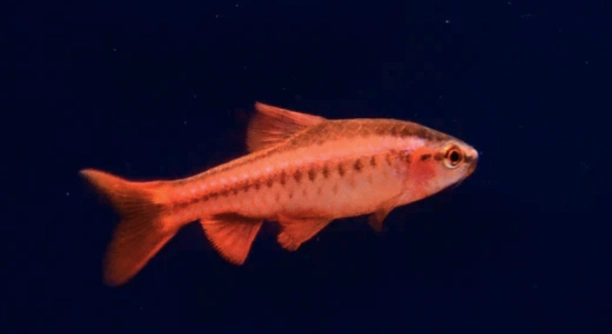
Cherry Barbs are beautiful fish, but they require special care to live a long, healthy life. Understanding what can negatively affect their lifespan is crucial to providing them with the best possible environment.
Several factors can shorten a Cherry Barb’s life, including poor water quality, overcrowding, incorrect diet, stress, diseases, temperature fluctuations, and improper tank mates. Ensuring a stable and optimal environment is key to keeping these fish healthy and thriving.
Taking these factors into account will help you create a better habitat for your Cherry Barbs. Continue reading to discover what you can do to protect their health and increase their chances of living a longer life.
Poor Water Quality
Maintaining clean water is one of the most important factors for Cherry Barb health. These fish are sensitive to changes in water conditions, particularly ammonia, nitrites, and nitrates. Poor water quality can weaken their immune systems, making them more vulnerable to diseases. In addition, high levels of these chemicals can cause stress, which leads to shorter lifespans. Regular water changes are essential to remove waste and maintain a stable environment. Using a reliable filtration system and regularly testing the water for toxic levels is also necessary to ensure the water remains suitable for your Cherry Barbs.
Water changes should be done weekly, ensuring the water parameters stay within safe levels. Avoid using water conditioners that might harm your fish. Consider adding live plants to naturally help balance the water.
Establishing a consistent water maintenance routine will significantly impact the longevity of your Cherry Barbs. By keeping the water in optimal condition, you’ll not only improve their health but also prevent a wide range of preventable problems.
Overcrowding
Overcrowding can stress Cherry Barbs and affect their overall health. When fish are packed too closely together, it can cause aggression, competition for resources, and poor water quality due to increased waste.
Fish need space to swim and establish their territories. Overcrowding can lead to reduced oxygen levels in the water, which affects the health of all inhabitants. For Cherry Barbs, the minimum tank size is around 20 gallons, allowing for at least six fish to be kept comfortably.
Maintaining an appropriate stocking level prevents stress, which in turn helps keep Cherry Barbs healthy. Make sure the tank has adequate space for all the fish to swim freely. By avoiding overcrowding, you can prevent a host of issues that shorten their lifespan.
Incorrect Diet
A poor diet can significantly shorten the life of your Cherry Barbs. These fish thrive on a balanced diet, which includes high-quality flake food, frozen or live food, and occasional plant matter.
Feeding them only one type of food can lead to nutritional deficiencies. Cherry Barbs need a variety of nutrients to maintain their energy, support their immune system, and prevent diseases. It’s essential to provide a mix of protein, vitamins, and fiber. Feeding too much or too little can also lead to obesity or malnutrition.
To keep your Cherry Barbs healthy, rotate their diet regularly. Add frozen brine shrimp, daphnia, or bloodworms to their meals to ensure they receive the proper nutrients. Also, feed them small amounts at a time, and avoid overfeeding to maintain water quality.
Stress
Stress is a silent killer for many fish, including Cherry Barbs. Whether it’s caused by aggressive tank mates, sudden changes in the environment, or insufficient hiding spots, stress can have long-lasting effects on their health.
Stress weakens a fish’s immune system, making it more susceptible to diseases and infections. It can also cause changes in behavior, like hiding or becoming lethargic. Cherry Barbs, being peaceful fish, can become stressed when housed with more aggressive species or in an overly active tank. Providing plenty of plants and decorations can offer them places to hide when needed.
Reducing stress should be a priority in maintaining a healthy tank. Keeping the tank environment stable, offering hiding spaces, and selecting compatible tank mates can help your Cherry Barbs feel secure. Stress-free fish tend to live longer and are more active, improving their quality of life.
Diseases
Diseases can spread quickly in an aquarium, especially if the fish are already stressed or have weakened immune systems. Cherry Barbs are vulnerable to bacterial, fungal, and parasitic infections.
Regularly observing your fish is important to catch any signs of illness early. Treating a disease promptly can prevent it from affecting the entire tank. Good water quality and a balanced diet are also key to keeping your Cherry Barbs healthy and strong.
Being proactive with tank maintenance and water changes will reduce the risk of disease. Quarantine new fish to avoid introducing infections to your existing tank inhabitants.
Temperature Fluctuations
Sudden changes in temperature can stress your Cherry Barbs and negatively impact their health. Keeping a consistent temperature is crucial for their well-being.
Cherry Barbs thrive in temperatures between 72-80°F. Fluctuations outside this range can cause stress and make them more prone to illness. Using a reliable aquarium heater can help maintain a steady temperature, which is vital for preventing these issues.
A consistent, stable environment supports the overall health of your Cherry Barbs, ensuring that temperature changes do not cause unnecessary stress.
FAQ
What is the ideal tank size for Cherry Barbs?
Cherry Barbs need space to swim and thrive. The minimum recommended tank size is 20 gallons for a small group of at least six fish. A larger tank will provide more stability in water conditions, making it easier to maintain a healthy environment. Overcrowding can lead to stress, so it’s best to avoid cramming too many fish into a small tank.
How often should I clean my Cherry Barb’s tank?
It’s important to clean your tank regularly to maintain water quality. Perform a partial water change of about 25-30% every week. This will help remove waste, excess food, and harmful chemicals like ammonia and nitrates. Use a gravel vacuum to clean the substrate and remove debris that can accumulate.
Can Cherry Barbs live with other fish?
Yes, Cherry Barbs are peaceful and can live with many other species. They are best kept with other calm and peaceful fish. Avoid aggressive or overly large fish that may intimidate or harm them. Suitable tank mates include other small fish like tetras, rasboras, and gouramis.
What should I feed my Cherry Barbs?
Cherry Barbs enjoy a varied diet. A mix of high-quality flake food, pellets, and frozen or live foods like brine shrimp, daphnia, and bloodworms will provide them with the nutrients they need. Include some plant matter like spinach or algae wafers to help keep them healthy. Feed small amounts several times a day.
How can I tell if my Cherry Barb is stressed?
Stressed Cherry Barbs may exhibit signs like rapid swimming, hiding, or unusual behavior like fin clamping or loss of color. Stress can be caused by overcrowding, poor water quality, incompatible tank mates, or temperature fluctuations. It’s essential to address the source of stress quickly to avoid further health problems.
Do Cherry Barbs need a filter?
Yes, a filter is essential for maintaining good water quality in your Cherry Barb tank. It helps remove waste, excess food, and harmful chemicals, keeping the environment healthy for your fish. Choose a filter with an appropriate flow rate for the size of your tank to avoid disturbing your Cherry Barbs.
Can Cherry Barbs be kept in a tank without a heater?
While it’s possible to keep Cherry Barbs in a tank without a heater, they thrive in temperatures between 72-80°F. If your home is too cold, you should use an aquarium heater to maintain the right temperature. Stable water conditions are crucial to their health.
How long do Cherry Barbs live?
With proper care, Cherry Barbs can live for 3-5 years. However, their lifespan can be shortened if they are exposed to poor water conditions, stress, or disease. By providing a stable and healthy environment, you can help them reach their full lifespan.
Are Cherry Barbs easy to breed?
Breeding Cherry Barbs is relatively easy compared to other species. To encourage breeding, provide a separate breeding tank with soft, slightly acidic water. You can introduce a pair of healthy adults and offer live food to stimulate spawning. After the eggs are laid, remove the parents to protect the fry.
How can I tell if my Cherry Barb is male or female?
Male Cherry Barbs are typically more colorful than females. Males have bright red coloring on their bodies, while females are usually more subdued, with a pale or light pink hue. During breeding, males will also display a more vibrant color to attract females.
What is the best water hardness for Cherry Barbs?
Cherry Barbs prefer soft to moderately hard water, with a pH range of 6.0 to 7.5. It’s important to regularly test the water’s pH and hardness levels to ensure they stay within the ideal range. Soft water can be provided with water conditioners or through reverse osmosis systems.
Can I keep Cherry Barbs with shrimp?
Yes, Cherry Barbs can be kept with shrimp, as they are peaceful fish. However, it’s important to choose shrimp that are large enough not to be considered food, like Amano shrimp. Smaller shrimp may become a meal for the Barbs. Providing hiding places for shrimp will help them feel secure.
Do Cherry Barbs need a lot of plants?
Plants are not a necessity for Cherry Barbs, but they do benefit from a planted tank. Plants help maintain water quality by absorbing excess nutrients and provide hiding spaces for the fish, which reduces stress. A few plants like java fern, hornwort, or moss can enhance their environment.
Can I keep Cherry Barbs with other barb species?
Yes, Cherry Barbs can be kept with other species of barbs, as long as they are not too aggressive. Species like the Tiger Barb or the Rosy Barb are compatible, but be sure to avoid keeping more aggressive types. Mixing different barb species can create a more natural-looking community tank.
How do I prevent my Cherry Barbs from getting sick?
To prevent illnesses, it’s important to keep the water quality high and the tank environment stable. Regular water changes, a proper diet, and maintaining the right temperature are all key factors. Quarantining new fish before adding them to the main tank can also help prevent introducing diseases.
Final Thoughts
Caring for Cherry Barbs requires attention to detail, but it’s not overly complicated. These fish are relatively hardy and easy to care for when their basic needs are met. Ensuring stable water quality, a balanced diet, and suitable tank mates are all essential steps in keeping your Cherry Barbs healthy.
While Cherry Barbs are adaptable, they are still vulnerable to stress and illness if the environment isn’t maintained properly. Temperature fluctuations, overcrowding, and poor water quality can significantly shorten their lifespan. Taking proactive steps, such as regular water changes and monitoring their behavior, can prevent many of these issues from arising.
In the end, maintaining a thriving Cherry Barb tank comes down to consistency and observation. By staying attentive to their needs, you can provide a long and healthy life for these colorful fish. They are relatively low-maintenance when you ensure they are in a stable and peaceful environment, making them a rewarding addition to your aquarium.

Hello,
If you enjoy the content that we create, please consider saying a "Thank You!" by leaving a tip.
Every little bit helps us continue crafting quality advice that supports the health, happiness, and well-being of pets around the world, for pets of all shapes, sizes, and species.
We really appreciate the kindness and support that you show us!