
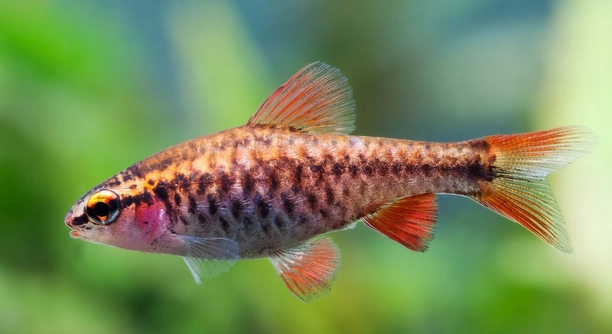
Cherry barbs are beautiful fish that can add color and life to any aquarium. However, like many fish, they can sometimes show aggressive behavior, particularly toward other fish of the same species.
Cherry barb bullying is often a result of overcrowding or stress. Providing enough space, hiding spots, and maintaining a proper water environment can help reduce this behavior. Creating a peaceful environment encourages better interaction among cherry barbs.
With the right adjustments, you can improve the social dynamics of your cherry barbs. This article will help you understand the factors behind their bullying behavior and how to address them effectively.
Causes of Cherry Barb Aggression
Overcrowding is one of the main causes of aggression among cherry barbs. When too many fish are kept in a small tank, they often feel stressed, leading to territorial disputes. Cherry barbs, particularly males, may fight to establish dominance, which can result in bullying. Additionally, a lack of hiding spots or shelter can exacerbate this issue. Without places to retreat to, fish may feel constantly threatened and more likely to exhibit aggressive behaviors.
Inadequate water conditions can also contribute to aggression. Poor water quality can stress cherry barbs and make them more prone to bullying. Regular maintenance of water parameters like temperature, pH, and ammonia levels is essential to keeping your fish calm.
Creating an ideal environment for cherry barbs involves managing both their physical space and water quality. By addressing these factors, you can reduce aggression and promote healthier interactions between your fish.
How to Prevent Bullying
The key to preventing bullying is proper tank management. Cherry barbs thrive when provided with ample space and places to hide. A tank size of at least 20 gallons is recommended for a small group of these fish.
Ensuring there are plenty of plants, rocks, and decorations that create hiding spots for each fish can help minimize aggressive encounters. Additionally, keeping a balanced male-to-female ratio can also reduce competition and territorial fights. Male cherry barbs can be especially aggressive toward one another, but providing a higher number of females helps to spread out their attention.
By creating a more balanced and stimulating environment, you can help cherry barbs coexist peacefully. Monitoring water conditions and regularly cleaning the tank can also go a long way in maintaining harmony. This will allow your cherry barbs to feel secure and reduce bullying behavior.
Tank Size and Space Requirements
A spacious tank is essential for preventing bullying. Cherry barbs are active swimmers, and they need room to move around without feeling cramped. A 20-gallon tank is the minimum size for a small group, though larger tanks are even better for reducing aggression.
When providing enough space, consider the dimensions of the tank as well. A longer tank with a larger surface area will help. This allows for more swimming territory, making it less likely for fish to encounter each other constantly. The more space they have, the less stress they will experience, and bullying will decrease.
In addition to space, the tank layout plays a role. Avoid overcrowding with too many decorations, but also ensure there are enough plants or hiding spots for each fish to claim as their own. This will give them a sense of security and reduce aggressive behavior.
Gender Ratio and Grouping
A balanced gender ratio can help minimize aggression in cherry barbs. Having more females than males can ease territorial competition among the males. When there are fewer males in the group, they are less likely to fight for dominance.
If you choose to keep only males, be sure to increase the number of fish to reduce territorial disputes. Male cherry barbs may become aggressive toward each other when they are the only males in the group. By having several males and females, you encourage a more peaceful environment.
Always remember that a small, tightly packed group of cherry barbs can lead to more stress and bullying. By adjusting the number of males and females, you’ll create a more balanced group, improving the overall well-being of the fish.
Adding Hiding Spots
Hiding spots are crucial for reducing aggression. Cherry barbs need safe areas to retreat to when they feel threatened. Adding plants, rocks, or caves can provide these spaces. Without them, fish may become more stressed and aggressive.
The more hiding spots available, the more the fish can avoid confrontations. Cherry barbs are peaceful by nature but will become territorial if they don’t have an escape route. By creating multiple hiding places, each fish can claim its own area, leading to fewer fights and more calm interactions.
Water Conditions
Maintaining ideal water conditions is essential for reducing stress. Ammonia, nitrates, and pH levels should be kept in check to prevent aggressive behavior. Testing the water regularly ensures that these levels stay balanced.
Inconsistent water parameters can cause discomfort for cherry barbs, leading to aggression. Stress from poor water quality weakens their immune systems, making them more prone to bullying. Regular maintenance, such as water changes and filtration, is vital for a peaceful aquarium environment. Properly filtered water helps reduce the chances of aggression in fish.
Tank Mates
Choosing the right tank mates is important. Fish that are too aggressive or too shy may contribute to bullying in a tank with cherry barbs. Opt for species that are peaceful and similar in size.
Avoid aggressive species like larger cichlids or fin-nipping fish. Tank mates should be able to coexist without causing added stress to the cherry barbs. Peaceful, mid-water swimming fish are ideal for mixing with cherry barbs to create a harmonious tank environment.
FAQ
How do I know if my cherry barbs are bullying each other?
If you notice one cherry barb chasing, nipping, or harassing another, this could be a sign of bullying. Typically, bullying involves one fish constantly attacking or stressing others, especially in a confined space. In extreme cases, you might see physical damage, like torn fins, on the bullied fish.
What can I do to reduce aggression between my cherry barbs?
To reduce aggression, increase the tank size, add more hiding spots, and adjust the gender ratio to have more females than males. Providing enough space and cover for each fish helps them avoid confrontations. Regular water changes and keeping the water quality stable also play a key role in reducing stress.
Do cherry barbs need a specific temperature range?
Cherry barbs thrive in a temperature range of 72°F to 80°F (22°C to 27°C). If the water temperature is too high or low, they may become stressed, which can lead to aggressive behavior. Maintaining the right temperature helps them stay calm and healthy.
Can I keep cherry barbs with other fish?
Yes, cherry barbs are peaceful fish and can coexist with other non-aggressive species. It’s best to choose tank mates that are similar in size and temperament. Avoid aggressive or overly territorial fish, as they may trigger stress in cherry barbs and cause them to act aggressively.
Why are my cherry barbs fighting?
Fighting is often due to territorial behavior, especially among males. If there aren’t enough hiding spots or if the fish feel overcrowded, they may fight to establish dominance. A lack of proper space and poor water quality can increase stress and lead to more fighting.
How many cherry barbs should I keep together?
Cherry barbs should be kept in groups of at least five to six individuals. This helps to spread out the aggression among the males and reduces stress. Keeping a small group can lead to dominance struggles and increased bullying, so it’s important to have a decent-sized group.
How often should I feed my cherry barbs?
Feed your cherry barbs small amounts once or twice a day. Overfeeding can pollute the water and contribute to stress. A balanced diet of high-quality flakes, pellets, or live food will help keep them healthy and reduce aggression caused by hunger or poor nutrition.
Do cherry barbs need a lot of light?
Cherry barbs don’t require intense lighting, but a moderate light cycle works best. Too much light can stress them out and make them more prone to bullying. On the other hand, too little light can prevent plants from thriving, which also affects the fish’s environment.
Can cherry barbs live with other types of barbs?
Cherry barbs can be kept with other species of barbs as long as the other barbs are peaceful. Avoid keeping them with more aggressive species, as this can lead to bullying or stress. Some types of barbs may be too territorial, which could escalate aggression in the tank.
What should I do if one of my cherry barbs is being bullied?
If you see one of your cherry barbs being bullied, consider removing the aggressor or adding more hiding spots. Ensuring the bullied fish has a place to retreat will help reduce stress. If the aggression continues, it may be necessary to separate the fish temporarily.
Why do my cherry barbs hide all the time?
Hiding frequently may indicate stress, overcrowding, or poor water quality. If your cherry barbs are constantly hiding, check the tank size, water parameters, and available hiding spots. Stress can make fish more reclusive and can sometimes lead to increased aggression.
How can I tell if my cherry barbs are stressed?
Signs of stress include unusual behavior like erratic swimming, constant hiding, or rubbing against tank surfaces. If they are constantly darting around or seem to be more skittish than usual, check the water conditions and tank setup. Stressed cherry barbs may also have a dull color, and their fins may appear clamped.
Can cherry barbs tolerate lower water pH levels?
Cherry barbs prefer a slightly acidic to neutral pH, between 6.0 and 7.5. They can tolerate slightly lower pH levels, but extreme fluctuations can stress them out. Maintaining stable pH levels is crucial for their well-being and helps prevent aggressive behavior caused by environmental stress.
Are cherry barbs aggressive toward each other in all situations?
No, cherry barbs are generally peaceful fish. They may become aggressive toward each other, especially in smaller tanks or when there aren’t enough hiding spots. By addressing these issues, you can create a more peaceful environment where bullying behavior is minimized.
How long do cherry barbs live?
Cherry barbs typically live for 3 to 5 years, provided they are given proper care. Regular water changes, a balanced diet, and a stress-free environment can help ensure that they live a full and healthy life. Stress can shorten their lifespan, so it’s important to keep their environment calm.
Can cherry barbs breed in a community tank?
Yes, cherry barbs can breed in a community tank if the conditions are right. However, to encourage breeding, you’ll need to provide ample hiding places for the eggs and make sure the water conditions are optimal. It’s also essential to separate the eggs from adult fish, as they may eat them.
How can I tell if my cherry barbs are male or female?
Male cherry barbs are generally more vibrant in color, especially when they are ready to mate. Females tend to be duller and rounder in shape. Males also have longer fins and are more active in displaying their color to attract females.
Should I add more plants to reduce aggression?
Yes, adding more plants can help reduce aggression by providing hiding spots and visual barriers between fish. Dense planting not only creates a more natural environment but also allows the fish to feel more secure, reducing the chance of bullying.
Final Thoughts
Handling cherry barb bullying requires careful attention to the environment. Cherry barbs are peaceful fish by nature, but they can become aggressive if their needs aren’t met. Providing enough space, hiding spots, and stable water conditions is key to preventing bullying. By adjusting the tank setup and adding more hiding places, you can create an environment where your cherry barbs feel secure. This helps minimize aggressive behaviors and ensures all fish can coexist peacefully.
It’s also important to monitor the tank’s social dynamics. Keeping a balanced ratio of males and females helps reduce territorial disputes, as male cherry barbs can be more aggressive toward one another. Additionally, maintaining the right water conditions, such as temperature, pH, and water quality, can play a significant role in minimizing stress and aggression. Regular tank maintenance is essential to ensure that the water is clean and suitable for the fish to thrive. This will also help prevent health issues caused by poor water quality, which could increase aggression.
Lastly, choosing the right tank mates is vital. Cherry barbs do well with other peaceful species, but aggressive or territorial fish should be avoided. When selecting companions, always consider the size and temperament of other species. Avoid overcrowding, as this can lead to stress and increase the likelihood of bullying. By following these steps, you can create a harmonious tank environment for your cherry barbs, ensuring they stay healthy, stress-free, and happy.

Hello,
If you enjoy the content that we create, please consider saying a "Thank You!" by leaving a tip.
Every little bit helps us continue crafting quality advice that supports the health, happiness, and well-being of pets around the world, for pets of all shapes, sizes, and species.
We really appreciate the kindness and support that you show us!