
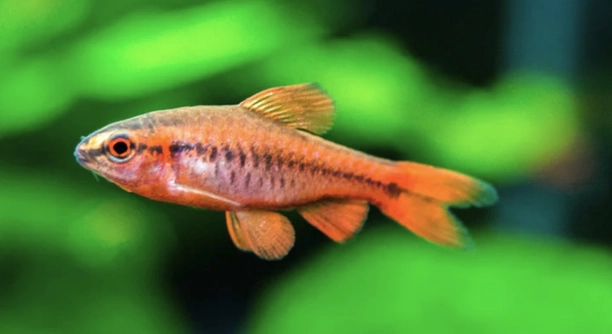
Acclimating cherry barbs to a new tank can be tricky, especially when you’re trying to ensure a smooth transition. Proper acclimation helps reduce stress and encourages healthy fish growth. Learning the best methods will make this process easier.
To successfully acclimate cherry barbs, you should gradually introduce them to the new tank water. Begin by floating the bag containing the fish in the aquarium for 15–20 minutes. Slowly mix small amounts of tank water into the bag to adjust the fish’s environment.
Proper acclimation can prevent common issues like shock or stress. These steps will ensure your cherry barbs thrive in their new home.
Why Acclimation Is Important for Cherry Barbs
Acclimating cherry barbs to a new tank is crucial for their health and well-being. These fish are sensitive to changes in their environment, and without proper acclimation, they can become stressed, which may lead to health problems. When fish experience sudden changes in water temperature, pH, or other water parameters, it can overwhelm their systems. Gradual adjustments allow cherry barbs to adapt and minimize the chances of shock, making them more comfortable in their new environment. By taking the time to properly acclimate them, you’re not only ensuring their survival but also promoting their long-term happiness in the tank.
Proper acclimation also helps your cherry barbs settle in faster, allowing them to start exploring their new tank more comfortably. Stress-free fish are more likely to display natural behaviors, contributing to a healthier aquarium ecosystem overall.
The process also minimizes the chances of ammonia poisoning and other water quality issues that can arise from the introduction of new fish. Stress can lower their immune system, making them more susceptible to illness.
The Float-and-Drip Method
One of the most effective ways to acclimate cherry barbs is the float-and-drip method. This involves floating the bag with the fish in the aquarium for 15–20 minutes. This allows the water in the bag to gradually match the temperature of the tank. After that, small amounts of tank water should be added to the bag every 10–15 minutes. This slow process allows the fish to adjust to the water parameters at a steady pace.
This method is gentle and reduces stress by giving the cherry barbs time to acclimate properly. Additionally, it helps to prevent any sudden temperature shock that could otherwise harm the fish. Although this process can take longer, it’s worth the extra time to ensure the cherry barbs remain healthy.
The float-and-drip method is particularly useful if there are significant differences in the water temperature or pH between the bag water and the tank water.
Key Factors to Consider During Acclimation
In addition to temperature and pH, there are other important factors to consider when acclimating cherry barbs. For example, hardness levels, salinity, and the presence of any toxic substances in the water can vary greatly between the tank and the bag. It’s essential to test the water parameters in both the aquarium and the bag before beginning the acclimation process. If there are discrepancies, slow adjustments should be made to help bring the water conditions into alignment. Monitoring these factors throughout the acclimation process ensures the fish remain as stress-free as possible.
Another factor to keep in mind is the salinity of the water, especially if you’re moving fish from a tank with slightly brackish conditions. Ensure the water in the tank matches the salinity of the bag water, as rapid changes in salinity can be harmful to the fish.
By focusing on all the factors that contribute to the overall water quality, you’ll give your cherry barbs the best chance for a successful acclimation process.
When to Introduce Cherry Barbs to the Tank
It’s important to wait until the acclimation process is complete before releasing the cherry barbs into their new home. Rushing the process can lead to stress and confusion, affecting the fish’s behavior and health. Once the acclimation process is done, and the water parameters in the bag closely match the tank, it’s time to gently release the fish.
Make sure the tank’s filtration system is running smoothly, and the water quality is optimal before introducing new fish. Check for any signs of stress after releasing them, such as erratic swimming or hiding. These behaviors could indicate that the acclimation process wasn’t thorough enough, and you may need to adjust water parameters further.
Common Mistakes to Avoid During Acclimation
One common mistake is adding fish too quickly after opening the bag. Rushing the process can shock the fish. Another mistake is not matching the water’s temperature or pH. These factors can significantly impact how well the fish adjust to the new tank.
Skipping the acclimation process altogether is another mistake to avoid. While it might seem quicker to just dump the fish into the tank, this can be stressful and even fatal for your cherry barbs. Ensure you’re using the proper methods to reduce the risk of shock.
Handling the fish roughly or exposing them to drastic water changes during the acclimation process can also cause undue stress. Always be gentle and patient, allowing enough time for the water to stabilize before introducing the fish.
Observing Your Cherry Barbs After Acclimation
Once your cherry barbs are acclimated, it’s crucial to observe them closely. Look for signs of stress, like erratic swimming, hiding, or staying near the surface. These behaviors may indicate an issue with the water quality or that the acclimation process didn’t go as planned.
If you notice any of these signs, check the water parameters again to ensure everything is in the proper range. It’s especially important to monitor ammonia and nitrite levels, as these can fluctuate during the introduction of new fish.
Healthy cherry barbs should be swimming actively and exploring the tank. If they seem lethargic or have trouble breathing, it could be a sign that something went wrong during acclimation. Take action promptly to avoid health issues.
Tank Size and Environment for Cherry Barbs
A properly sized tank is essential for your cherry barbs. Too small of an environment can lead to stress and poor water quality, which affects their health. Aim for at least a 20-gallon tank to provide enough space for them to swim and feel secure.
The tank should have plenty of hiding spots, like plants or rocks, which help reduce stress. Cherry barbs are relatively peaceful and enjoy having places to retreat when needed. Ensure the water is well-filtered and oxygenated to keep the tank environment stable.
Water Temperature and pH Levels
Cherry barbs thrive in a temperature range of 74–80°F (23–27°C). Keeping the water within this range ensures they stay active and healthy. A stable temperature helps prevent shock, which can occur if the water fluctuates too much.
In addition to temperature, the pH should be kept between 6.5 and 7.5. Any significant deviation from this range can cause stress. Regular water tests will help you monitor and maintain these important parameters, ensuring the environment remains suitable for your fish.
Adding Tank Mates for Cherry Barbs
When introducing tank mates, make sure they are compatible with cherry barbs. They do well with peaceful fish of similar size and temperament. Avoid aggressive or fin-nipping species, as these can stress your cherry barbs.
Also, keep in mind that overcrowding can lead to water quality issues. Introduce tank mates slowly to give everyone time to adjust to the new environment. Monitor interactions closely, especially during the first few days, to ensure that all fish coexist peacefully.
FAQ
How long should I acclimate cherry barbs to a new tank?
The acclimation process for cherry barbs should take at least 30 minutes. During this time, gradually mix small amounts of tank water into the bag with the fish. This ensures they can slowly adjust to the water temperature and pH levels of their new environment. Rushing this process can cause stress, so it’s important to give them time to acclimate properly. If you’re using the float-and-drip method, this could take up to an hour.
Can cherry barbs live in a tank without a filter?
While it’s technically possible, it’s not recommended to keep cherry barbs in a tank without a filter. These fish require clean, well-oxygenated water to thrive. A filter helps maintain water quality by removing debris and preventing the buildup of harmful toxins like ammonia and nitrites. Without filtration, the water can quickly become polluted, leading to stress and illness in your cherry barbs.
What temperature should the water be for cherry barbs?
The ideal temperature range for cherry barbs is between 74–80°F (23–27°C). Maintaining a consistent temperature within this range promotes their overall health and reduces stress. Avoid large temperature fluctuations, as rapid changes can cause shock. Use a reliable aquarium heater and thermometer to monitor and maintain the water temperature in the tank.
What is the best tank size for cherry barbs?
A minimum tank size of 20 gallons is recommended for cherry barbs. This gives them enough space to swim comfortably and establish territories if needed. Smaller tanks can quickly lead to poor water quality, which can affect the fish’s health. A larger tank also provides more room for tank mates, if you plan to add them.
Can cherry barbs live with other fish?
Yes, cherry barbs are peaceful and generally get along with other non-aggressive species. They do well in community tanks with other peaceful fish, such as tetras, rasboras, and small catfish. Avoid keeping them with fin-nipping or aggressive species, as this can cause stress. Always observe interactions when introducing new fish.
How often should I feed cherry barbs?
Cherry barbs should be fed once or twice a day. Offer a varied diet, including high-quality flakes, pellets, and occasional live or frozen food like brine shrimp or daphnia. Avoid overfeeding, as excess food can lead to poor water quality and health issues. Remove any uneaten food within a few hours to keep the tank clean.
What type of plants are best for cherry barbs?
Cherry barbs enjoy a tank with plenty of plants to hide in and swim through. Live plants like java fern, anubias, and hornwort are good choices for creating a natural environment. These plants also help maintain water quality by absorbing excess nutrients. Ensure there’s enough open swimming space for the fish as well.
How do I know if my cherry barbs are stressed?
Stress in cherry barbs can manifest in several ways. Look for signs like erratic swimming, excessive hiding, loss of appetite, or unusual behavior like scratching against objects. If these behaviors occur, it could indicate poor water quality, inappropriate tank mates, or an issue with acclimation. It’s important to address stressors immediately to avoid long-term health problems.
Do cherry barbs need a special lighting setup?
No, cherry barbs don’t require special lighting. However, they do prefer a slightly dimmed environment with areas of shade to feel secure. Regular aquarium lighting is sufficient, but avoid overly bright lights or direct sunlight, which can increase algae growth and cause stress for the fish.
Can cherry barbs be kept in brackish water?
Cherry barbs are best kept in freshwater tanks and do not require brackish water conditions. They are adapted to freshwater environments and should not be exposed to saltwater unless absolutely necessary. Keeping them in freshwater with stable parameters will help them thrive. Avoid adding any salt unless treating for specific health issues.
How do I breed cherry barbs?
To breed cherry barbs, provide a separate breeding tank with soft, slightly acidic water and plenty of plants for the fish to spawn in. After mating, remove the adults to prevent them from eating the eggs. The eggs will hatch in about 24–48 hours, and the fry can be fed small live foods like infusoria until they’re large enough to eat standard fish food.
How long do cherry barbs live?
With proper care, cherry barbs can live for 3–5 years. Providing them with a stable environment, good water quality, and a proper diet will help ensure they live a long and healthy life. Keep an eye on their health throughout their lifespan to address any issues before they become serious.
Are cherry barbs active swimmers?
Yes, cherry barbs are active swimmers. They enjoy swimming in schools and explore the tank throughout the day. While they aren’t as fast or energetic as some other species, they are social and will spend much of their time interacting with tank mates and exploring their environment.
Do cherry barbs need a lid on their tank?
A lid is recommended for a cherry barb tank. While these fish are not known for jumping, having a lid can help maintain a stable temperature and prevent water evaporation. It also reduces the chance of dust or debris falling into the tank, keeping the water cleaner.
Final Thoughts
Acclimating cherry barbs to a new tank requires attention to detail, but the process is simple when done correctly. Starting with the right tank size and environment helps create a stable foundation for these fish. Cherry barbs thrive in tanks with plenty of swimming space, hiding spots, and well-maintained water quality. With a minimum of 20 gallons, your tank should offer a peaceful environment for these social fish, allowing them to interact with each other and feel secure. By keeping the water temperature within the recommended range and regularly checking the pH levels, you’ll ensure a healthy home for your cherry barbs.
Feeding cherry barbs a balanced diet is also important. They benefit from high-quality flakes or pellets, supplemented with live or frozen foods for variety. Regular feeding, without overfeeding, will keep your fish active and healthy. Cherry barbs are relatively low-maintenance in terms of their diet but require consistent care to maintain their health. It’s important to remember that water quality plays a huge role in their overall well-being. Regular water changes and keeping the tank clean will prevent the buildup of toxins that can cause stress or illness. Healthy cherry barbs will be more vibrant and active, showing their natural beauty.
Finally, remember that cherry barbs are best kept in a peaceful community tank. They get along well with other non-aggressive fish, but care should be taken to avoid any tank mates that may cause stress. Keeping a close eye on your fish, especially after introducing new tank mates, will help you spot any signs of aggression or stress early on. By understanding their behavior and maintaining the proper water conditions, your cherry barbs will be happy and healthy, living for several years in your tank. With the right environment, these colorful fish can bring beauty and activity to your aquarium.

Hello,
If you enjoy the content that we create, please consider saying a "Thank You!" by leaving a tip.
Every little bit helps us continue crafting quality advice that supports the health, happiness, and well-being of pets around the world, for pets of all shapes, sizes, and species.
We really appreciate the kindness and support that you show us!