
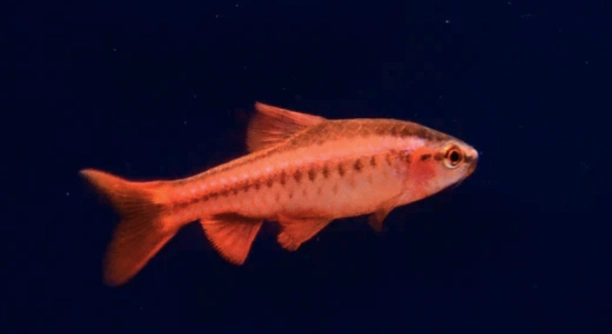
Cherry barbs are popular freshwater fish known for their vibrant colors and peaceful nature. However, as a responsible fish owner, understanding the ideal tank conditions for them is essential for their health and well-being.
Cherry barbs prefer stable water temperatures between 74°F and 79°F (23°C to 26°C). While they can tolerate cooler conditions, a heater in their tank ensures consistency, promoting better health and activity levels. Heating is especially important in colder climates.
Proper water temperature control can make a noticeable difference in your cherry barbs’ comfort and behavior. It’s essential to understand how a heater plays a role in creating a healthier environment for them.
Why Cherry Barbs Need Stable Water Temperatures
Maintaining a stable water temperature is crucial for cherry barbs, as sudden temperature fluctuations can stress them out. Stress weakens their immune system, making them more prone to diseases. While they can adapt to a range of temperatures, they thrive when the water remains consistent. This helps them grow properly and exhibit natural behaviors, like swimming actively and eating well.
In the wild, cherry barbs experience stable water conditions, which is why replicating this in your aquarium is essential. A temperature range between 74°F and 79°F is optimal. If the water fluctuates too much, it can affect their appetite and overall well-being.
If you live in a cooler climate, having a heater in the tank becomes even more important. It ensures that the water remains within their preferred range, providing the stability needed for their health. In addition, a heater prevents the water from getting too cold during the winter months, ensuring that your fish remain active and comfortable.
How a Heater Helps Maintain Consistency
Using a heater can prevent temperature spikes or drops in the tank, which can otherwise be stressful for cherry barbs. It also keeps the environment predictable for your fish.
A reliable aquarium heater not only maintains a consistent temperature but also prevents the growth of harmful bacteria that can thrive in fluctuating conditions. These bacteria can spread quickly when water conditions are unstable, which can lead to diseases. Keeping the temperature steady is an effective way to protect your fish from these risks. Heaters also help in balancing the overall tank ecosystem by promoting beneficial bacteria growth and creating an environment where cherry barbs feel secure and healthy. A stable temperature supports their metabolism, encouraging better digestion and efficient nutrient absorption.
The Importance of Water Temperature for Health
Cherry barbs are sensitive to temperature changes, so it’s essential to maintain consistent heat in their environment. A temperature drop can make them lethargic, while excessive heat can lead to stress and shortened lifespans. Stable temperatures help keep them healthy, active, and ready to thrive.
When water temperature fluctuates, cherry barbs may stop eating or become more susceptible to diseases. Consistency supports their immune system and allows them to stay active. If you notice a change in their behavior, it could be a sign that the water temperature is not stable. This is where a heater plays a significant role in providing stability.
By using a heater, you can avoid the discomfort that comes with rapid temperature shifts. When the water stays within the ideal range, cherry barbs will be more vibrant, and their natural swimming and foraging behaviors will return. Healthy fish are not only more beautiful to watch but also live longer, more fulfilling lives.
Choosing the Right Heater for Cherry Barbs
Choosing the right heater is important for maintaining the health of your cherry barbs. Not all heaters are created equal, and selecting one that is properly sized for your tank can make all the difference. Overheating or underheating can harm your fish.
A reliable heater should be able to maintain a steady temperature without sudden spikes or drops. When selecting a heater, consider factors like the tank size and the ambient temperature of your home. An adjustable heater allows you to fine-tune the temperature to match the needs of your cherry barbs. Many heaters come with thermostats, which can help regulate the heat more precisely.
The size of your tank determines the type of heater you should use. If your tank is on the smaller side, a small, adjustable heater will suffice. For larger tanks, a more powerful heater will be needed to maintain an even temperature throughout the tank. With the right heater, your cherry barbs will have a stable, comfortable home that promotes their overall well-being.
Risks of Not Using a Heater
Not using a heater can expose cherry barbs to fluctuating water temperatures. These changes cause stress and increase the risk of diseases. Without a heater, it’s challenging to maintain a consistent environment, and your fish may not thrive as they should.
Cold water can also cause cherry barbs to become sluggish and lose their appetite. In extreme cases, if the water temperature drops too low, they may suffer from illnesses like ich or swim bladder problems. If you notice these signs, it could indicate that the water temperature is inconsistent, and a heater may be needed.
In addition to health concerns, cherry barbs in cooler conditions may not breed successfully. The right temperature encourages natural behaviors, like spawning. Without stable water, your cherry barbs may not reach their full potential, leaving them at risk for further health issues.
Heater Placement in the Tank
Placing the heater in the right location ensures optimal water circulation. It’s best to place the heater near a filter or water pump so that the heated water can circulate throughout the tank evenly. This prevents areas of the tank from being too hot or cold.
Proper heater placement helps in maintaining the right water temperature for your cherry barbs. Avoid placing it in corners or areas where water flow is limited, as it can lead to uneven heating. By placing it near the filter, you ensure the water temperature is consistent across the entire tank.
Monitoring the heater’s performance regularly can also ensure that your fish remain in a stable environment. If you notice that the temperature isn’t being maintained as it should, it might be time to check the heater’s placement or consider upgrading to a more reliable model.
Maintaining Heater Efficiency
To keep your heater running smoothly, clean it regularly to prevent the buildup of algae and mineral deposits. These deposits can interfere with its ability to maintain the right temperature. Regular maintenance will prolong the heater’s life and keep it functioning efficiently.
You can clean the heater by gently scrubbing it with a soft brush or cloth to remove any buildup. Be sure to unplug the heater before cleaning to avoid accidents. Keeping the heater clean ensures it operates without interruptions, providing a stable environment for your cherry barbs.
FAQ
Do cherry barbs need a heater in their tank?
Yes, cherry barbs benefit from having a heater in their tank. While they can tolerate a range of temperatures, a heater ensures that the water remains within their ideal range of 74°F to 79°F. This stability promotes their overall health, activity, and longevity.
Can cherry barbs survive in cold water?
Cherry barbs can survive in cold water for short periods, but it is not ideal. Prolonged exposure to temperatures below their preferred range can cause stress, reduce their immunity, and lead to health problems. It’s best to use a heater to keep their environment consistent.
What is the best water temperature for cherry barbs?
The best water temperature for cherry barbs is between 74°F and 79°F (23°C to 26°C). This range mimics their natural environment, where the water temperature remains steady. Maintaining this temperature helps your fish stay healthy and active.
Can cherry barbs live without a filter?
Cherry barbs can live without a filter, but it’s not recommended. A filter helps to maintain water quality by removing waste and toxins. Without a filter, water quality can quickly deteriorate, leading to health problems for your fish. If you don’t use a filter, frequent water changes are necessary.
How often should I change the water in my cherry barb tank?
For a tank with cherry barbs, aim for a 25-30% water change every 1-2 weeks. This helps keep the water clean and removes any harmful toxins. If you don’t have a filter, more frequent changes may be necessary. Always ensure that the replacement water matches the tank’s temperature.
Do cherry barbs like live plants in their tank?
Yes, cherry barbs appreciate having live plants in their tank. Plants provide hiding spaces, which can help reduce stress, and also help improve water quality by absorbing excess nutrients. Live plants can make your tank more natural and appealing for both the fish and the observer.
Can cherry barbs be kept with other fish?
Cherry barbs are peaceful and can be kept with many other types of fish, especially those that are not aggressive. They do well with small, non-aggressive species like neon tetras, rasboras, and gouramis. Avoid housing them with larger or aggressive fish that may stress them out.
How can I tell if my cherry barb is stressed?
Signs of stress in cherry barbs include lethargy, loss of appetite, hiding, or rapid breathing. If your fish is displaying these behaviors, it could be due to poor water conditions, temperature fluctuations, or aggression from tankmates. Address the underlying issue promptly to restore their well-being.
What is the lifespan of a cherry barb?
The average lifespan of a cherry barb is about 3 to 5 years. However, with proper care, they can live even longer. Maintaining a stable environment, providing a balanced diet, and ensuring they have tank mates that are compatible will help them reach their full lifespan potential.
How do I breed cherry barbs?
To breed cherry barbs, you’ll need to create the right conditions. Set up a separate breeding tank with soft, acidic water and a temperature of 78°F (25°C). Provide hiding places like plants or spawning mops. Separate the males and females for a few weeks, then introduce them together. After spawning, remove the adults to prevent them from eating the eggs.
Can cherry barbs eat pellets?
Yes, cherry barbs can eat pellets, but they should be supplemented with other foods. A balanced diet for cherry barbs includes a variety of flakes, pellets, frozen foods, and occasional live foods like brine shrimp or daphnia. Offering a mix ensures they get all the nutrients they need.
What is the best substrate for cherry barb tanks?
Cherry barbs prefer a soft, sandy substrate or a fine gravel substrate. This allows them to forage naturally and reduces the risk of injury. Avoid large, sharp gravel that could harm their delicate fins. Adding plants or driftwood to the substrate can also create a more natural environment for them.
Why is my cherry barb swimming at the top of the tank?
If your cherry barb is swimming at the top of the tank, it could indicate that the water conditions are not ideal. It could be a sign of low oxygen levels or poor water quality. Check your water parameters, and ensure the tank is well-filtered with sufficient oxygenation.
Do cherry barbs need to be in schools?
Cherry barbs are social fish, and they do better in schools. It’s recommended to keep at least 5-6 cherry barbs together in a tank. Having a group helps reduce stress, as they feel safer and more comfortable with others of their kind. A small group allows them to exhibit natural behaviors.
Can cherry barbs be kept in a tank with a heater set too high?
If the water temperature is set too high for cherry barbs, it can lead to stress, decreased appetite, and even death. Temperatures above 80°F (27°C) are too warm for them and can cause health issues. It’s important to monitor the water temperature and keep it within their optimal range.
How do I prevent algae in my cherry barb tank?
To prevent algae growth, maintain good water quality by regularly changing the water and avoiding overfeeding. Ensure your tank has proper lighting, as excessive light can fuel algae growth. You can also introduce algae-eating fish, like snails or certain species of shrimp, to help control the algae.
What tank size is best for cherry barbs?
Cherry barbs do best in tanks that are at least 20 gallons, especially if you plan to keep a small school. A larger tank provides more space for swimming and helps maintain stable water conditions. Larger tanks are also easier to maintain, as water quality is less likely to fluctuate.
How can I tell if my cherry barb is a male or female?
Male cherry barbs are more vibrant in color and typically have a brighter red hue, especially around their fins and body. Females are usually more subdued in color, with a light orange or yellowish hue. Males also tend to be slimmer, while females are rounder, especially when carrying eggs.
Are cherry barbs good for beginners?
Cherry barbs are a great choice for beginners. They are hardy, easy to care for, and adapt well to a variety of tank conditions. As long as you maintain stable water temperature, provide a balanced diet, and avoid aggressive tank mates, cherry barbs can thrive in a beginner’s aquarium.
How do I know if my cherry barb is healthy?
A healthy cherry barb should have clear eyes, vibrant colors, and active swimming behavior. It should eat regularly and not appear sluggish. Look for smooth, undamaged fins and an alert, active demeanor. If your fish exhibits any signs of stress or illness, it’s important to address it quickly.
Final Thoughts
Cherry barbs are generally hardy and peaceful fish, making them a great choice for both beginner and experienced aquarium keepers. They thrive in stable environments with warm water temperatures and clean conditions. A consistent tank setup with proper filtration and a heater can help ensure they stay healthy and active. By providing a good diet, regular water changes, and a safe space with appropriate tankmates, you can enjoy watching these vibrant fish for several years.
Keeping cherry barbs in a well-maintained tank helps prevent stress, which can lead to health problems. They are social creatures, so it’s best to keep them in small groups to encourage natural behaviors and reduce anxiety. In addition, being mindful of their water parameters, including temperature and pH, will make their environment more comfortable. Adding plants and hiding spots can further reduce stress and mimic their natural habitat.
Ultimately, cherry barbs are relatively easy to care for and adapt well to a variety of tank setups. They are active swimmers that add color and life to your aquarium. As long as you monitor their water conditions, offer them a balanced diet, and provide a peaceful tank environment, you’ll have a thriving group of cherry barbs to enjoy for years to come.

Hello,
If you enjoy the content that we create, please consider saying a "Thank You!" by leaving a tip.
Every little bit helps us continue crafting quality advice that supports the health, happiness, and well-being of pets around the world, for pets of all shapes, sizes, and species.
We really appreciate the kindness and support that you show us!