
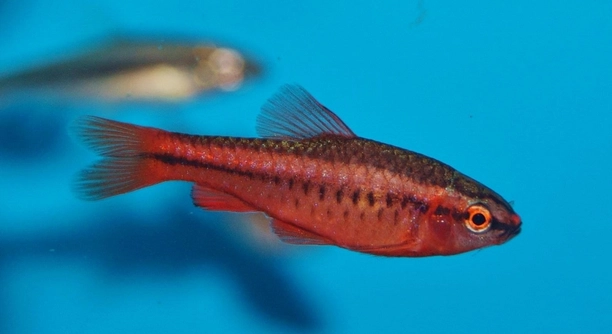
Cherry Barbs are a lovely addition to any aquarium, with their vibrant color and peaceful nature. They’re also relatively easy to care for, making them a good choice for both beginners and seasoned fish keepers.
To set up a low-maintenance Cherry Barb tank, you need to focus on proper water conditions, suitable tank mates, and simple filtration systems. Choosing the right plants and decorations will also help reduce cleaning time and maintain a healthy environment.
Understanding the essentials of tank care for Cherry Barbs will ensure a smooth and enjoyable experience. This guide will cover helpful tips to keep things low-maintenance, leaving you with more time to enjoy your beautiful aquarium.
1. Choosing the Right Tank Size
When setting up a Cherry Barb tank, the first step is deciding on the right tank size. For a small group of Cherry Barbs, a 20-gallon tank is usually sufficient. This allows enough space for the fish to swim freely and minimizes the chance of overcrowding. A larger tank also provides more stable water conditions, which is essential for their health.
A tank smaller than 20 gallons can lead to fluctuating water parameters, stressing the fish. Cherry Barbs are small and peaceful, but they still need adequate space to thrive.
If you want to add more fish to the tank in the future, consider a larger tank from the start. This way, you’ll have more room to work with without overloading your filtration system or worrying about overcrowding. Remember, a bigger tank means less frequent water changes, which can be a real time-saver in the long run.
2. Water Quality is Key
Maintaining proper water quality is crucial for Cherry Barbs. They prefer a slightly acidic to neutral pH level, ranging from 6.5 to 7.5. Make sure the water is also soft, with a temperature between 72°F and 80°F. Regular testing is recommended.
Filtration systems play a big part in maintaining water quality. A sponge filter or hang-on-back filter is ideal for keeping the water clean without disrupting the peaceful nature of your Cherry Barbs. It’s important to perform partial water changes regularly to keep nitrate levels in check.
The key to keeping your tank low-maintenance is choosing the right filtration system. It should be efficient enough to keep the water clear but not too powerful to create strong currents. Cherry Barbs prefer calm waters, so avoid strong filter output that could stress them. A good filter helps reduce algae buildup and keeps your Cherry Barbs happy, minimizing maintenance tasks over time.
3. Choosing Tank Mates
Cherry Barbs are peaceful and get along well with a variety of tank mates. Small, non-aggressive fish like Corydoras catfish, Guppies, or Neon Tetras make good companions. Avoid larger or overly territorial fish that could harass them.
It’s important to consider the temperament and swimming behavior of potential tank mates. Cherry Barbs do well in community tanks, but you should always research how the species interact. Grouping them with fish that prefer similar water conditions is a smart move to ensure a calm, stress-free environment.
Choosing the right tank mates is not only about compatibility but also about making sure that the tank isn’t overcrowded. It’s easy to get carried away, but remember that each fish needs space to thrive. Adding plants and hiding spots helps everyone feel secure in the tank.
4. Substrate and Decorations
For Cherry Barbs, a fine-gravel or sandy substrate works best. They don’t require a specific substrate type, but smooth surfaces are preferred to prevent injury. Plants and decorations like driftwood can help create hiding spaces and make the tank feel more natural.
Live plants are a great addition to any tank, as they help improve water quality by absorbing excess nutrients. Anubias, Java Fern, and Hornwort are low-maintenance plants that thrive in Cherry Barb tanks. Add a few caves or decorations for them to explore and rest. This also reduces stress.
The key is to avoid overcrowding the tank with decorations. While they enjoy hiding spots, too many items can limit swimming space and make the tank harder to clean. Focus on simple, natural elements that provide both beauty and practicality. Easy-to-care-for plants like Java Moss can also help reduce algae growth, reducing your maintenance work.
5. Lighting Needs
Cherry Barbs do well with moderate lighting. Too much light can cause algae to grow, while too little light may cause plants to struggle. A standard aquarium light for 8-10 hours a day is generally sufficient.
It’s important to adjust the lighting based on the plants in your tank. Some plants may need more light to thrive, while others can do fine in lower light conditions. Use a timer to ensure the tank gets consistent light, which also helps maintain a natural day-night cycle for the fish.
If you’re growing live plants, consider using an LED aquarium light with adjustable intensity. It helps you tailor the lighting to the specific needs of your plants while keeping the environment comfortable for the Cherry Barbs. Over time, you’ll notice that the right lighting not only benefits the fish but also encourages plant growth.
6. Feeding Cherry Barbs
Cherry Barbs are not picky eaters and will thrive on a balanced diet. They do well with flake food, pellets, and occasional live or frozen treats like brine shrimp. Feed them small amounts, once or twice a day.
Overfeeding can cause water quality issues, so only provide as much food as they can consume in a few minutes. You can also supplement their diet with plant-based foods like spirulina or blanched vegetables. This will help maintain their vibrant colors and overall health.
The key to feeding Cherry Barbs is consistency. They don’t require anything fancy, but keeping their diet varied will prevent nutritional deficiencies and ensure they stay happy and active.
7. Maintaining Water Parameters
Cherry Barbs prefer stable water parameters, so regular monitoring is necessary. Check pH, ammonia, nitrites, and nitrates weekly. Keeping levels consistent helps reduce stress and prevent health issues.
Ammonia and nitrites should always be at zero, while nitrates should stay below 20 ppm. If needed, perform partial water changes to maintain balance.
Monitoring water parameters is a simple but crucial task. You don’t need complex equipment, but using test kits regularly will ensure the water stays safe. If the levels fluctuate, investigate the source, such as overfeeding or inadequate filtration, to correct it promptly.
8. Managing Tank Temperature
Cherry Barbs thrive in temperatures between 72°F and 80°F. A consistent temperature is important to avoid stress. Use a reliable aquarium heater to maintain stability.
Sudden temperature fluctuations can weaken the immune system of your fish, so keep the heater in a location where it won’t cause uneven heating. Regularly check the thermometer to ensure the temperature remains steady.
FAQ
How often should I feed my Cherry Barbs?
Feed your Cherry Barbs once or twice a day, giving them only as much food as they can eat within a few minutes. Overfeeding can lead to poor water quality and health issues, so be mindful of portions. A varied diet including flake food, pellets, and occasional live or frozen treats will keep them healthy.
Can Cherry Barbs live with other fish?
Yes, Cherry Barbs are peaceful and do well with other small, non-aggressive fish. Tank mates like Corydoras, Guppies, and Tetras are ideal. Avoid larger or territorial species that may intimidate or harm them. It’s also important to match water conditions for all the fish in the tank to ensure compatibility.
What is the best substrate for Cherry Barbs?
Cherry Barbs do well with a fine gravel or sandy substrate. Avoid sharp edges that could injure their delicate bodies. You can also add live plants to the substrate, which helps improve water quality. Make sure the substrate is deep enough for plant roots to take hold if you’re growing live plants.
Do Cherry Barbs need a filter?
Yes, a filter is essential for maintaining clean water and healthy Cherry Barbs. A sponge filter or hang-on-back filter is ideal, as it won’t create strong currents. Cherry Barbs prefer calm waters, so choose a filter that provides gentle filtration without disturbing their natural environment. Regular maintenance of the filter is also important to keep the water clear.
How do I know if my Cherry Barbs are stressed?
Stressed Cherry Barbs may show signs such as faded colors, unusual swimming behavior, or hiding more than usual. Stress can result from poor water quality, overcrowding, incompatible tank mates, or incorrect temperature. Ensure their environment is stable and peaceful, with proper water parameters, space, and appropriate tank mates to reduce stress.
Can I keep Cherry Barbs in a tank smaller than 20 gallons?
While it’s possible to keep Cherry Barbs in smaller tanks, it’s not recommended. A 20-gallon tank or larger provides enough space for them to swim freely and ensures stable water conditions. In smaller tanks, water quality can quickly become unstable, which can stress the fish.
How can I prevent algae growth in my Cherry Barb tank?
Algae growth is common in aquariums, but it can be controlled. Ensure your lighting is not too intense and reduce the duration of light exposure to 8-10 hours daily. Adding live plants like Java Fern or Anubias helps compete with algae for nutrients, keeping it in check. Regular water changes also help reduce excess nutrients that algae feed on.
Are Cherry Barbs hard to care for?
No, Cherry Barbs are relatively low-maintenance. They are hardy fish that do well in stable water conditions. They don’t require specialized care, but regular water testing, proper filtration, and a balanced diet are essential to keep them healthy. Their peaceful nature also makes them easy to care for in a community tank.
Do Cherry Barbs need a heater?
Yes, Cherry Barbs require a heater to maintain a stable water temperature between 72°F and 80°F. Consistent temperatures prevent stress and help keep them healthy. A quality aquarium heater will allow you to regulate the temperature and ensure it remains within the ideal range. Regularly check the tank temperature to avoid sudden fluctuations.
What type of plants are best for a Cherry Barb tank?
Cherry Barbs prefer plants that grow slowly and don’t require intense lighting. Anubias, Java Fern, and Hornwort are great choices for a low-maintenance setup. These plants not only provide hiding spots for the fish but also help improve water quality by absorbing excess nutrients. Live plants will also help with algae control.
How do I maintain water quality for Cherry Barbs?
To maintain good water quality for Cherry Barbs, test the water regularly for pH, ammonia, nitrites, and nitrates. Keep ammonia and nitrites at zero and nitrates below 20 ppm. Perform regular water changes, about 20-30% of the tank’s volume, every one to two weeks, depending on the tank’s load. Make sure the filtration system is efficient and maintain it regularly.
Can Cherry Barbs breed in a community tank?
While it’s possible for Cherry Barbs to breed in a community tank, the process can be challenging. To encourage breeding, provide plenty of plants and hiding spots where the fry can hide from other fish. You may need to set up a separate breeding tank if you want to increase the chances of survival for the eggs and fry.
Do Cherry Barbs eat live plants?
Generally, Cherry Barbs don’t eat live plants. They prefer small invertebrates, worms, and algae, but won’t typically nibble on plants. However, if they’re hungry or stressed, they may show some interest in plant matter. To prevent this, ensure they are well-fed with a balanced diet and have enough space to swim freely.
How long do Cherry Barbs live?
Cherry Barbs typically live for 3 to 5 years, although some can live longer with proper care. Keeping their environment stable, maintaining good water quality, and feeding them a nutritious diet can help ensure they live a long and healthy life. Regularly monitor their health and act quickly if you notice any changes in behavior or appearance.
What is the ideal water temperature for Cherry Barbs?
Cherry Barbs prefer a water temperature between 72°F and 80°F. Keeping the temperature within this range helps them stay healthy and active. Avoid fluctuations in temperature, as rapid changes can cause stress or illness. A reliable aquarium heater can help maintain a consistent temperature throughout the tank.
Final Thoughts
Setting up a Cherry Barb tank doesn’t have to be complicated. These fish are hardy and relatively low-maintenance, making them a great option for both beginners and experienced aquarium owners. By focusing on a few key factors like water quality, tank size, and suitable tank mates, you can create a peaceful environment that encourages healthy growth and vibrant colors. With the right care, Cherry Barbs can thrive in your tank for several years, providing a calming and beautiful presence in your home.
To keep the tank running smoothly, it’s important to maintain consistent water parameters. Cherry Barbs prefer slightly acidic to neutral water with temperatures between 72°F and 80°F. Regular testing of pH, ammonia, nitrites, and nitrates will help you stay on top of any changes. A good filtration system is essential for keeping the water clean, but make sure the current isn’t too strong, as Cherry Barbs prefer calm waters. With proper care and regular maintenance, you can enjoy a low-stress environment for your fish.
Finally, remember that Cherry Barbs do best in a community tank with peaceful tank mates. Adding live plants can also improve the overall health of your tank, benefiting both the fish and the plants. By creating a balanced environment with the right water quality, tank size, and decorations, you’ll reduce the amount of maintenance needed. Cherry Barbs are beautiful, peaceful fish that make an excellent addition to any aquarium, and with a bit of attention to detail, they’ll reward you with their vibrant colors and lively personalities.

Hello,
If you enjoy the content that we create, please consider saying a "Thank You!" by leaving a tip.
Every little bit helps us continue crafting quality advice that supports the health, happiness, and well-being of pets around the world, for pets of all shapes, sizes, and species.
We really appreciate the kindness and support that you show us!