
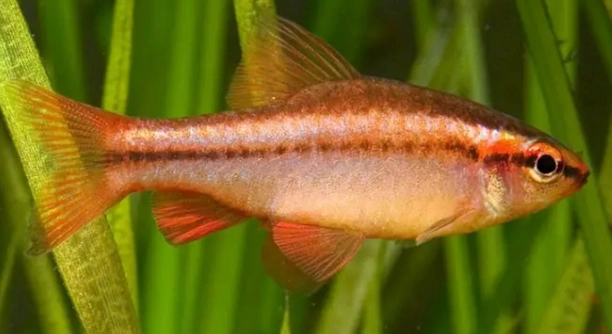
Have you ever spent time watching your cherry barbs and wondered if those little moments meant something more than just swimming around?
Cherry barbs lay eggs by scattering them over plants or substrate, usually after a brief courtship display. Signs include increased activity, the female appearing rounder, and the male chasing her with more intensity than usual.
Observing these small signs can help you understand your fish better and care for them properly during breeding time.
Signs Your Cherry Barb Might Be Laying Eggs
Cherry barbs become more active when preparing to lay eggs. You’ll often notice the male chasing the female, sometimes nudging her toward plants or tank decorations. This is a normal part of their breeding behavior. The female will look noticeably plumper, especially around the belly, as she carries eggs. Their colors may also brighten—males turn a more vivid red while females look slightly more golden. If you observe them hovering near leafy plants or fine-leaved decorations, that’s a strong indication they’re preparing to spawn. After spawning, eggs are left stuck to surfaces, usually not very visible. They don’t guard them, so you won’t see parental behavior. If you think eggs have been laid, remove the adults quickly to prevent them from eating the eggs. Being aware of these patterns can help you protect the eggs and give the fry a better chance of survival in the tank.
This entire process may happen quickly, often lasting just a few hours.
Understanding their behavior makes it easier to spot spawning early, which is useful if you want to raise the fry.
What to Do After Eggs Are Laid
Move the adults to a separate tank to stop them from eating the eggs, as cherry barbs do not protect their offspring.
Once the eggs are laid, keep the tank quiet and minimize disturbance. You can place a gentle sponge filter to maintain clean water without harming the eggs or fry. Light should be dimmed slightly, as sudden brightness can be stressful. Eggs usually hatch in one to two days, and the fry become free-swimming after three to four days. During this stage, avoid strong currents and feed tiny foods like infusoria or baby brine shrimp. Make sure the water stays stable—changes in temperature or pH can be harmful. Watch closely for fungus or cloudy eggs and remove those carefully. As the fry grow, you can gradually introduce powdered flake food. Regular water changes in small amounts will help them grow healthier. Being attentive during this stage can lead to better survival rates and stronger young fish.
Common Mistakes to Avoid
Leaving adult cherry barbs in the tank after eggs are laid is a common mistake. They often eat the eggs if not moved. Another issue is using strong filters that create too much current, which can harm the delicate fry once they hatch.
Overfeeding the fry can also cause problems. It might cloud the water and lead to harmful bacteria. Instead, feed them tiny portions multiple times a day. Make sure to clean up any uneaten food right away. Another mistake is skipping water tests—fry are sensitive to changes in pH and ammonia. Keep the tank well-monitored to avoid sudden shifts. Using a light that’s too bright can stress both eggs and fry. Try to keep lighting soft and consistent. Lastly, don’t rush to move the fry to a bigger tank too soon. Wait until they’re strong enough to handle the change without getting stressed or sick.
Skipping daily checks is risky when raising fry. They grow quickly, but they also need constant attention.
Watch their behavior closely. Lethargy, gasping near the surface, or floating oddly may point to water quality problems. Catching these signs early can make a big difference in their survival and development.
How to Support Healthy Fry Growth
Fry need clean water and steady temperatures around 78°F to grow well. Avoid placing the tank near windows or heaters that could cause fluctuations. Soft lighting and a calm environment help reduce stress.
Once the fry become free-swimming, feeding should be done often but in small amounts. Start with infusoria or liquid fry food, then move to baby brine shrimp as they grow. Keep the tank clean with small, gentle water changes every few days. Avoid gravel or decorations that trap uneaten food. A bare-bottom tank is easier to maintain. As the fry develop, their color deepens, and they start to resemble adult cherry barbs. This is also when you can slowly shift their diet to powdered flakes. Growth is steady if conditions are right. Always avoid overcrowding by moving some to other tanks when needed. Consistent care and gentle handling lead to healthier, stronger fish in the long run.
Feeding Mistakes to Watch For
Feeding fry food that’s too big can cause choking or be completely ignored. Always crush flakes finely or use specialized fry food to match their size. If food sinks too fast, they might miss it completely.
Giving too much food at once quickly dirties the water. Uneaten bits rot and raise ammonia levels, which is harmful for young fry. Feed tiny amounts multiple times instead of one large meal.
When to Move Fry to a Larger Tank
Once the fry reach about half an inch and show stronger swimming, you can consider moving them to a bigger tank. This usually happens around four to six weeks, depending on growth rate. Make sure the new tank has similar water conditions to avoid stress. Use a drip method or slowly mix tank water to ease the transition. Avoid sudden changes in temperature or pH. Watch them closely after moving to make sure they’re eating and swimming normally. If any fry seem weak or stressed, return them to the original tank until they’re stronger.
Monitoring Their Behavior
Active, steady swimming and quick feeding are signs of healthy fry. If they gather at the surface or stay hidden all day, something may be wrong.
FAQ
How can I tell male and female cherry barbs apart during spawning?
Males are more colorful, turning a deep red shade when ready to breed. Females are plumper, especially around the belly, and have a lighter, more golden color. During spawning, males are usually more active, often chasing and nudging the females toward plants or corners of the tank.
How long does it take for cherry barb eggs to hatch?
Eggs usually hatch within 24 to 48 hours, depending on the water temperature. Warmer water (around 78°F) helps speed up the process. Cooler temperatures may delay hatching. It’s important to leave the tank undisturbed during this period to avoid stressing the eggs or affecting water quality.
Do I need to use a separate breeding tank?
Using a separate breeding tank is recommended. It helps keep the eggs safe from adult fish, which tend to eat them. A bare-bottom tank with some soft plants or spawning mops is ideal. This setup makes it easier to clean and monitor eggs without harming them.
What should I feed cherry barb fry after hatching?
Start with infusoria or liquid fry food as their first meals. These are small enough for newly hatched fry to eat. After a few days, you can introduce baby brine shrimp or finely crushed flakes. Feed them small amounts several times a day, and clean the tank to prevent buildup.
Why are my fry not surviving past a few days?
There could be a few reasons. Water quality is one of the biggest factors—test for ammonia, nitrites, and pH regularly. Overfeeding can cause food to rot and release toxins. Also, make sure you’re feeding appropriate-sized food and not using strong filters that suck the fry in or stir the water too much.
Can cherry barbs breed more than once?
Yes, cherry barbs can spawn multiple times throughout their lives. In fact, in the right conditions, they may breed every few weeks. You can encourage breeding with clean water, stable temperature, and high-quality food. Just make sure to separate the fry from adults after each spawning.
How many eggs do cherry barbs usually lay?
Females can lay anywhere from 100 to 200 eggs in a single spawning session. However, not all of them will hatch or survive. Proper care and separating the adults after laying increase the chances of more fry making it to maturity.
Do cherry barb parents take care of their eggs or fry?
No, cherry barbs do not show parental care. Once the eggs are laid, the adults usually ignore them—or worse, eat them. This is why separating them right after spawning is important if you want the fry to survive.
Should I use a heater in the fry tank?
Yes, a heater helps keep the water temperature steady, which is important for healthy development. A range between 76°F to 80°F is ideal. Sudden drops or spikes in temperature can stress the fry or slow down their growth.
What tank size is best for growing fry?
A 10-gallon tank works well for small groups of fry. If you’re raising a lot of them, consider upgrading to a 20-gallon as they grow. Avoid overcrowding, as it can lead to stunted growth and poor water conditions. Add more space as needed based on their size and number.
Final Thoughts
Raising cherry barbs and watching them lay eggs can be a rewarding experience if you take the right steps. Understanding their behavior helps you recognize when spawning might happen, and this gives you a better chance to protect the eggs. Small changes, like adjusting lighting or choosing the right plants, can make a big difference. If you’re careful with how you set up the tank and respond to what you see, you’re more likely to have success. These fish are not very demanding, but they do need consistent care during the breeding and fry stages.
Taking care of the fry can feel like a lot at first, especially since they need frequent feeding and clean water. But once you get into a routine, it becomes easier to manage. Watching the fry grow from tiny swimmers to small fish is a slow but interesting process. Each stage brings something new, and the time you invest helps you understand your tank better. Mistakes might happen along the way, but they’re part of the learning process. Being observant and staying calm when problems come up will help you adjust and improve each time.
You don’t need fancy equipment to raise cherry barb fry successfully. A simple setup with clean water, gentle filters, and basic food is enough if managed properly. What matters most is consistency. Regular checks, gentle handling, and the right timing when moving the fry all play a role in keeping them healthy. Over time, you’ll start to notice patterns in their behavior, and you’ll feel more confident in your ability to care for them. Whether you’re trying to raise a full batch or just a few fry, the process can be enjoyable and satisfying with a little patience and attention.

Hello,
If you enjoy the content that we create, please consider saying a "Thank You!" by leaving a tip.
Every little bit helps us continue crafting quality advice that supports the health, happiness, and well-being of pets around the world, for pets of all shapes, sizes, and species.
We really appreciate the kindness and support that you show us!